others
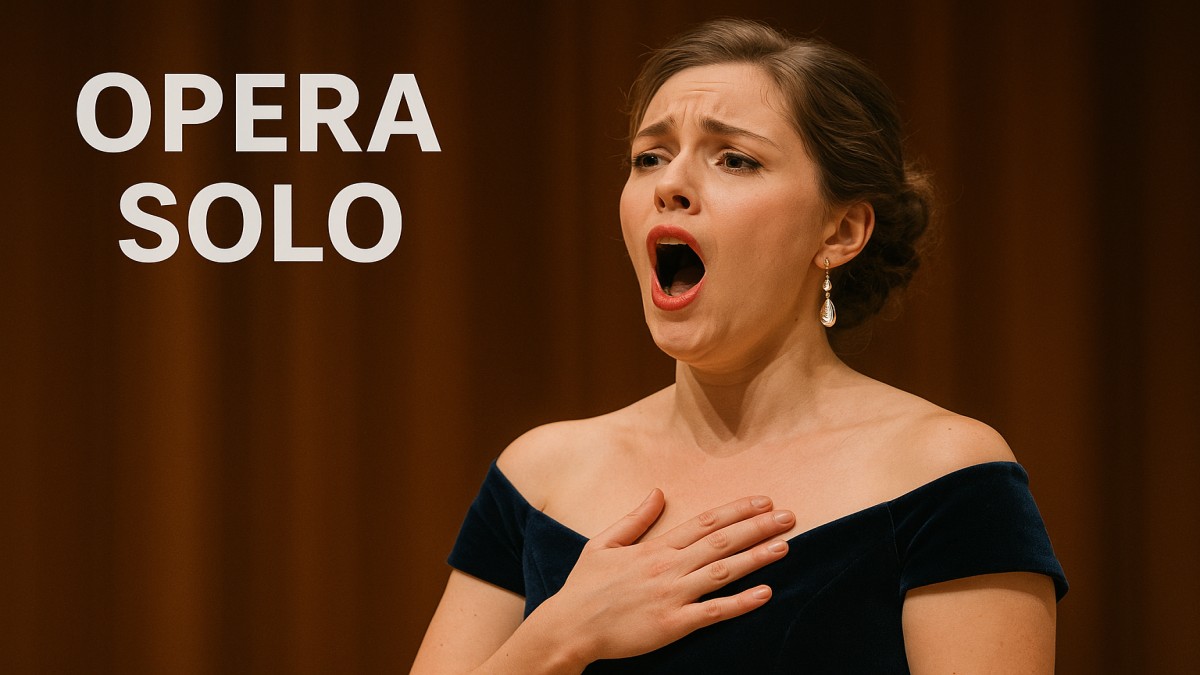
Opera Solo: The Heart and Soul of Classical Vocal Performance
Published
10 months agoon
By
Hamari Web
Table of Contents
ToggleIntroduction
An opera solo isn’t just a performance it’s a window into a soul, set to music. Whether it’s a passionate aria that makes your spine tingle or a powerful high note that leaves your jaw on the floor, opera solos hold a special place in the world of classical music.
So what exactly makes an opera solo so magical? Let’s dive into the world of grand stages, booming voices, and raw emotion.
Understanding Opera as an Art Form
Opera is a centuries-old theatrical tradition that blends singing, acting, music, and often dance. It emerged in Italy during the late 16th century and has since evolved into various styles, from Baroque and Romantic to modern and avant-garde.
Opera tells stories through music. And solos? They’re like the emotional climax of those stories.
What Makes a Solo in Opera Special?
Opera solos—also known as arias—are the moments where a character steps out of the plot and bares their soul. It’s where love, pain, joy, and rage are expressed not just through words but through melody, dynamics, and vocal brilliance.
They also showcase the technical prowess of the singer, often pushing the limits of human vocal ability.
Types of Opera Solos
Let’s break down the main types of opera solos:
Aria
This is the main solo performance in most operas. Think of it as the “big moment” for the character.
Recitative
These are speech-like solos that move the story along. They’re less melodic, more dramatic.
Cavatina
A short, lyrical aria, often used to introduce a character.
Cabaletta
Usually fast-paced and dramatic, it often follows a cavatina to show a shift in emotion.
Key Voice Types in Opera Solos
Different solos suit different voice types:
- Soprano – Often the heroine. Known for high notes and emotional depth.
- Mezzo-Soprano – Rich, warm tones. Often plays mothers or villains.
- Tenor – Usually the romantic lead. Think soaring, heroic melodies.
- Baritone – The middle male voice. Smooth, expressive, often conflicted characters.
- Bass – Deep and powerful. Often kings, villains, or authority figures.
Famous Opera Solos That Made History
Here are a few opera solos that define the genre:
- “Nessun Dorma” (Turandot – Puccini): Probably the most famous tenor aria, especially after Pavarotti’s iconic performances.
- “Largo al factotum” (The Barber of Seville – Rossini): A baritone’s playground of fast-paced fun and flair.
- “Der Hölle Rache” (The Magic Flute – Mozart): Also known as the “Queen of the Night” aria. High, fierce, and unforgettable.
Anatomy of a Great Opera Solo
What makes a solo unforgettable?
- Diction: Every word matters.
- Breath Control: Long notes need even longer breaths.
- Emotion: If you don’t feel it, the audience won’t either.
It’s not just about hitting the notes—it’s about telling a story with your voice.
The Role of Language in Opera Solos
Opera solos are usually sung in Italian, German, French, or Russian. Singers must convey emotion across linguistic barriers—a smile in Italian sounds different than sorrow in German, yet the voice must carry the meaning clearly.
Rehearsal and Preparation
Behind every jaw-dropping solo are months of training. Singers rehearse with vocal coaches, learn diction, master dynamics, and practice phrasing.
Soloists must also learn to adapt—from solo rehearsals to full orchestra settings.
Performing with a Live Orchestra
Timing is everything. Opera soloists work closely with the conductor to ensure their cues align with the score. Unlike pop singers, opera soloists can’t rely on auto-tune or backing tracks—it’s all live, raw, and real.
Conclusion
Opera solos are more than just beautiful music—they’re living, breathing emotions, delivered through extraordinary vocal skill. Whether you’re listening to Pavarotti or a student soprano on stage, these solos can touch your heart, transport your mind, and send shivers down your spine.
So next time you hear an aria, take a moment. Close your eyes. Let the story unfold through sound.
FAQs
Q1: Do you need to understand the language to enjoy an opera solo?
Not at all! The emotion in the music often transcends language.
Q2: What’s the hardest opera solo to perform?
“Der Hölle Rache” from The Magic Flute is notoriously difficult due to its high notes and speed.
Q3: Can opera singers perform other music styles?
Yes! Many opera singers cross into jazz, pop, and even musical theatre.
Q4: How long does it take to train for opera solos?
It can take 5–10 years of consistent training to master the basics of operatic singing.
Q5: Are opera solos only for professionals?
Nope. Enthusiasts, students, and even casual singers can learn and perform arias with proper training.

How to Start a Lawn Mowing Business: Simple Steps That Turn Mowing Into Income

How to Start a Dog Walking Business: Simple Steps That Turn Walks Into Income

How to Start a House Cleaning Business: Simple Steps That Win Your First Clients

How to Pay Employees in Your Small Business: Simple Steps That Get It Right

How to Do Market Research for Small Business: Simple Steps That Find Your Customers

How to Start a Tutoring Business: Simple Steps That Turn Your Knowledge Into Income

How to Create a Digital Product to Sell: A Simple Guide for Small Business Beginners

Christmas Marketing Ideas for Small Businesses: Simple Ways to Win Festive Customers

Benefit of Sole Proprietorship: Simple Advantages That Make Starting Easy

Grant Funding for Small Businesses: A Simple Guide to Finding and Winning Grants

How to Repurpose Blog Content for Social Media Without Starting From Scratch

How to Write a Simple Business Plan for Your Small Business: A Practical Guide That Gets You Started

How to Create a Small Business Content Marketing Plan That Actually Gets Results
How to Handle Customer Complaints in a Small Business: A Calm, Practical Guide That Turns Problems Into Loyalty

How to Get More Clients for Your Business: Simple Ways That Actually Work

How to Create a Content Calendar for a Small Business

How to Write a Professional Business Email That Gets a Reply

How to Set SMART Goals for a Small Business: A Practical Guide That Actually Works

How to Set Up a Simple Referral Program for Your Small Business: A Beginner’s Guide That Brings in New Customers

How to Write a Business Proposal for Your Small Business: A Simple Guide That Wins Clients

How to Start a Lawn Mowing Business: Simple Steps That Turn Mowing Into Income

How to Start a Dog Walking Business: Simple Steps That Turn Walks Into Income

How to Start a House Cleaning Business: Simple Steps That Win Your First Clients

How to Pay Employees in Your Small Business: Simple Steps That Get It Right

How to Do Market Research for Small Business: Simple Steps That Find Your Customers

How to Start a Tutoring Business: Simple Steps That Turn Your Knowledge Into Income

How to Create a Digital Product to Sell: A Simple Guide for Small Business Beginners

Christmas Marketing Ideas for Small Businesses: Simple Ways to Win Festive Customers

Benefit of Sole Proprietorship: Simple Advantages That Make Starting Easy

Grant Funding for Small Businesses: A Simple Guide to Finding and Winning Grants
Trending
entertainment1 year agoPYT Telegram: A Complete Guide to Understanding, Using, and Maximizing It
entertainment1 year agoOnionFlix: Everything You Need to Know About This Streaming Website
education1 year agoHow to Become a Software Engineer: A Complete Guide
others1 year agoNook vs Kindle: Which E-Reader Is Right for You?