Health
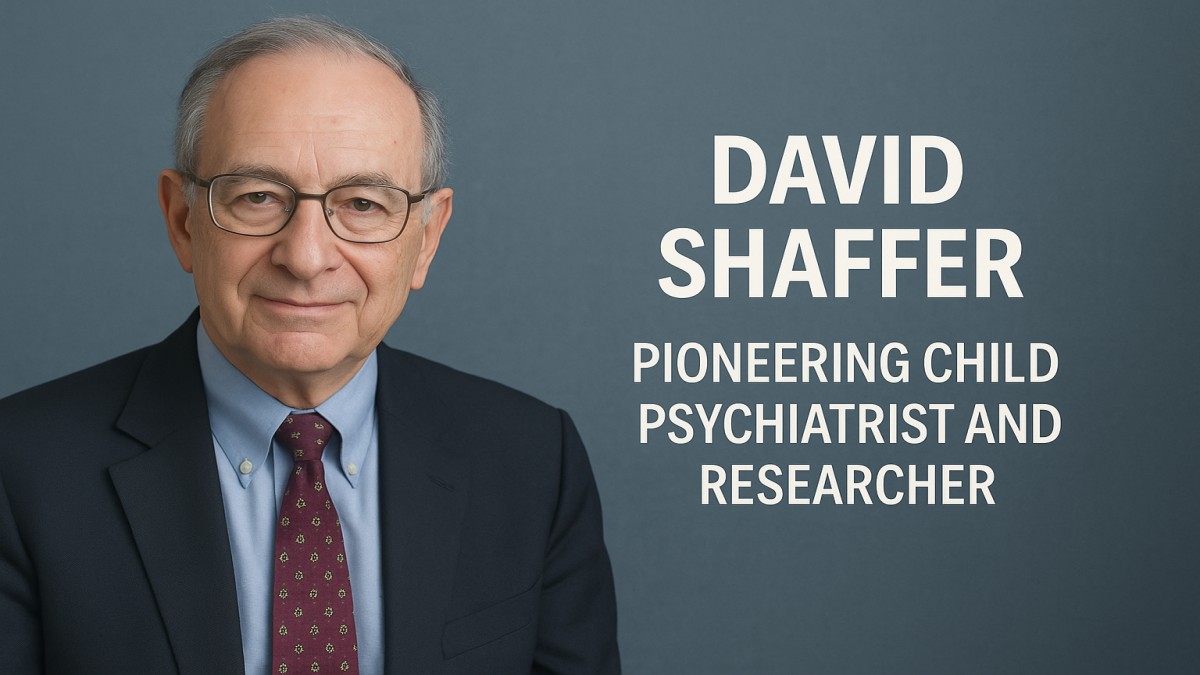
David Shaffer: Pioneering Child Psychiatrist and Researcher
Published
9 months agoon
By
Hamari Web
Table of Contents
ToggleIntroduction
David Shaffer isn’t just a name in psychiatry textbooks he’s a legend. Known for his groundbreaking work on adolescent suicide and mental health, Shaffer’s legacy lives on in classrooms, clinics, and research labs around the globe. So, what made him stand out in a field crowded with bright minds? Let’s break it down.
Early Life and Education
Childhood and Formative Years
David Shaffer was born in London in 1936. From a young age, he showed a keen interest in the complexities of human behavior. While other kids were out playing football, Shaffer was more intrigued by what made people tick.
Academic Journey Through Medical School
He attended medical school at the University of Oxford and later specialized in psychiatry at the Maudsley Hospital in London, where his career truly took off.
Career Beginnings
Initial Interest in Child Psychiatry
Shaffer’s fascination with how mental health begins in childhood set him apart early. His medical background merged with a compassionate lens for understanding developmental psychology.
Early Research Roles and Clinical Training
His initial clinical roles provided the platform to explore deeper questions: Why do some children experience profound emotional suffering? What signs can we detect early?
Landmark Contributions
Suicide Prevention Research
One of his most acclaimed contributions was his research into teen suicide. At a time when this topic was barely acknowledged, Shaffer bravely tackled it head-on.
Diagnostic Tools for Mental Health
He helped create screening tools that could detect depression, anxiety, and suicidal tendencies in teenagers long before intervention was too late.
Columbia Suicide Screen Development
Shaffer developed the Columbia Suicide Screen—a tool still used widely today to help schools and institutions identify at-risk youth early.
Role at Columbia University
Chair of the Division of Child Psychiatry
At Columbia University, Shaffer led the Division of Child Psychiatry, shaping one of the most influential departments in the world.
Mentoring and Academic Influence
Many of today’s leading child psychiatrists once sat in Shaffer’s lecture halls. His influence extends far beyond his personal achievements.
Publications and Research Impact
Notable Books and Papers
Shaffer authored numerous papers and several foundational books in child psychiatry, including detailed epidemiological studies on adolescent behavior.
Influence on DSM Criteria
He contributed to revisions in the Diagnostic and Statistical Manual of Mental Disorders (DSM), particularly those related to child and adolescent diagnoses.
Contributions to Epidemiology of Youth Disorders
His work brought attention to the real numbers behind youth mental illness, making it impossible for policymakers to ignore.
Focus on Adolescent Mental Health
Preventive Strategies
Shaffer was all about early intervention. His programs focused on catching warning signs before they snowballed into crises.
School-Based Mental Health Screening
He championed screening programs in schools—a revolutionary step that helped countless children get help early.
Awards and Recognition
Professional Honors and Achievements
Shaffer received awards from nearly every major psychiatric association and served on advisory panels for both the U.S. and U.K. governments.
Global Recognition in Psychiatry
His name is synonymous with teen mental health in psychiatric circles around the world.
Challenges and Criticisms
Navigating Mental Health Stigmas
Shaffer’s career wasn’t without pushback. Talking about suicide, especially in teens, was taboo. But he pushed the envelope, changing public perception.
Debates Around Screening Ethics
Some critics questioned the ethics of mental health screening in schools. Shaffer welcomed the debate—it meant the world was finally paying attention.
Legacy in Psychiatry
Programs and Institutions Inspired by His Work
From school programs to global research initiatives, his influence is woven into modern psychiatry.
Impact on Modern Psychiatry
You’ll find traces of Shaffer’s thinking in almost every corner of adolescent mental health research today.
Conclusion
David Shaffer wasn’t just a psychiatrist—he was a trailblazer who changed the way we think about, talk about, and treat adolescent mental health. From pioneering suicide prevention tools to reshaping how we approach child psychiatry, his work remains vital in today’s ever-evolving landscape.
FAQs
1. What was David Shaffer best known for?
He was best known for his work on suicide prevention and mental health screening in adolescents.
2. What is the Columbia Suicide Screen?
It’s a tool developed by Shaffer to help identify teens at risk for suicide, widely used in schools and clinics.
3. Did David Shaffer influence the DSM?
Yes, he contributed significantly to updates in child and adolescent sections of the DSM.
4. Where did David Shaffer work?
He served as Chair of Child Psychiatry at Columbia University and worked with several global organizations.
5. Is his research still used today?
Absolutely. His work forms the foundation of many mental health programs and tools used globally.

How to Start a Lawn Mowing Business: Simple Steps That Turn Mowing Into Income

How to Start a Dog Walking Business: Simple Steps That Turn Walks Into Income

How to Start a House Cleaning Business: Simple Steps That Win Your First Clients

How to Pay Employees in Your Small Business: Simple Steps That Get It Right

How to Do Market Research for Small Business: Simple Steps That Find Your Customers

How to Start a Tutoring Business: Simple Steps That Turn Your Knowledge Into Income

How to Create a Digital Product to Sell: A Simple Guide for Small Business Beginners

Christmas Marketing Ideas for Small Businesses: Simple Ways to Win Festive Customers

Benefit of Sole Proprietorship: Simple Advantages That Make Starting Easy

Grant Funding for Small Businesses: A Simple Guide to Finding and Winning Grants

How to Repurpose Blog Content for Social Media Without Starting From Scratch

How to Write a Simple Business Plan for Your Small Business: A Practical Guide That Gets You Started

How to Create a Small Business Content Marketing Plan That Actually Gets Results
How to Handle Customer Complaints in a Small Business: A Calm, Practical Guide That Turns Problems Into Loyalty

How to Get More Clients for Your Business: Simple Ways That Actually Work

How to Create a Content Calendar for a Small Business

How to Write a Professional Business Email That Gets a Reply

How to Set SMART Goals for a Small Business: A Practical Guide That Actually Works

How to Set Up a Simple Referral Program for Your Small Business: A Beginner’s Guide That Brings in New Customers

How to Write a Business Proposal for Your Small Business: A Simple Guide That Wins Clients

How to Start a Lawn Mowing Business: Simple Steps That Turn Mowing Into Income

How to Start a Dog Walking Business: Simple Steps That Turn Walks Into Income

How to Start a House Cleaning Business: Simple Steps That Win Your First Clients

How to Pay Employees in Your Small Business: Simple Steps That Get It Right

How to Do Market Research for Small Business: Simple Steps That Find Your Customers

How to Start a Tutoring Business: Simple Steps That Turn Your Knowledge Into Income

How to Create a Digital Product to Sell: A Simple Guide for Small Business Beginners

Christmas Marketing Ideas for Small Businesses: Simple Ways to Win Festive Customers

Benefit of Sole Proprietorship: Simple Advantages That Make Starting Easy

Grant Funding for Small Businesses: A Simple Guide to Finding and Winning Grants
Trending
entertainment1 year agoPYT Telegram: A Complete Guide to Understanding, Using, and Maximizing It
entertainment1 year agoOnionFlix: Everything You Need to Know About This Streaming Website
education1 year agoHow to Become a Software Engineer: A Complete Guide
others1 year agoNook vs Kindle: Which E-Reader Is Right for You?