animal
Angora Cats Splendor – Discover the Majesty of This Elegant Breed

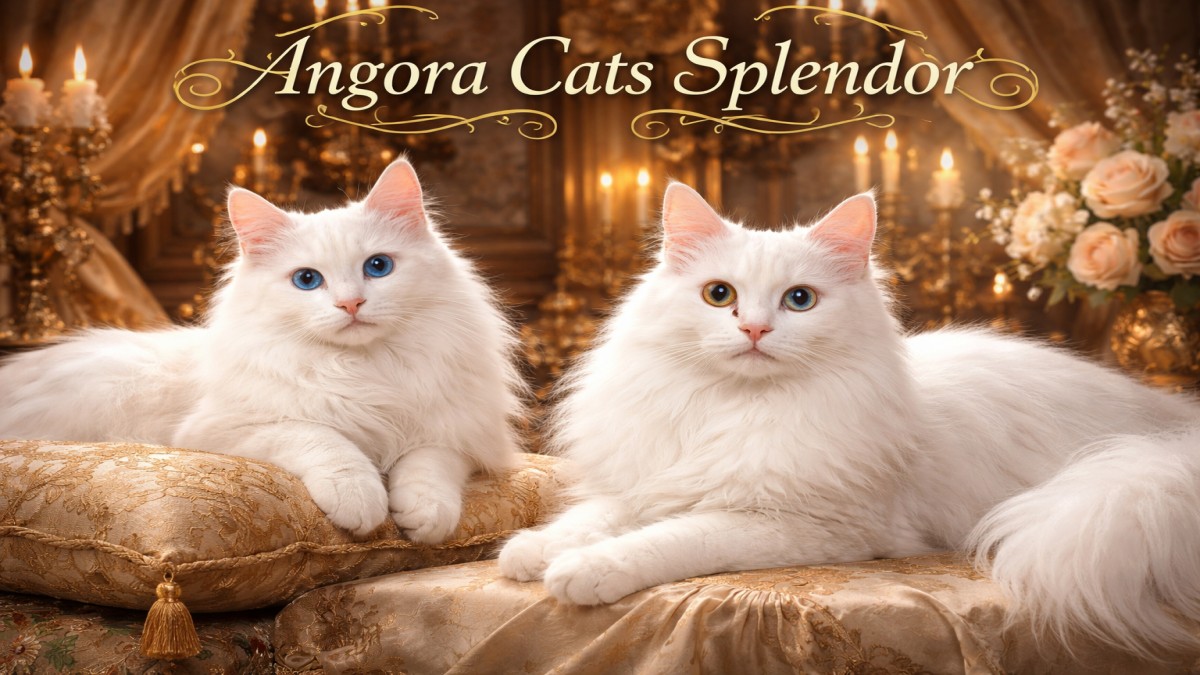
Angora Cats Splendor. There’s something almost magical about the sight of an Angora cat. The flowing coat. The graceful posture. The confident yet gentle gaze. If cats had royalty, the Angora would sit comfortably on the throne.
But what exactly makes Angora cats so spectacular? Why do people around the world admire their splendor? Let’s dive deep into their beauty, personality, and charm.
Introduction to Angora Cats
What Makes Angora Cats Special?
Angora cats are known for their silky coats, elegant build, and striking eyes. But their splendor goes beyond looks. These cats combine beauty with brains and personality. Think of them as the supermodels of the feline world—with intelligence to match.
Quick Overview of the Breed
- Origin: Turkey
- Coat: Long, silky, single-layer
- Lifespan: 12–18 years
- Temperament: Intelligent, playful, affectionate
They are not just pretty faces—they’re interactive companions.
The History of Angora Cats
Origins in Turkey
The Angora cat traces its roots back to Ankara (formerly Angora), Turkey. These cats are considered one of the oldest natural breeds in the world.
In Turkey, they were treasured for their beauty and rarity. White Angoras, in particular, were highly valued.
Royal Recognition in Europe
In the 17th century, Angora cats made their way to Europe. Aristocrats adored them. Their elegant fur made them status symbols among nobles.
Preservation of the Breed
Over time, crossbreeding threatened the purity of Angoras. Turkey eventually established breeding programs to protect this national treasure.
Physical Characteristics of Angora Cats
Silky Long Coat
Unlike some long-haired breeds, Angoras have a single-layer coat. That means less undercoat and surprisingly less matting.
Their fur feels soft—almost like silk flowing through your fingers.
Eye Colors and Unique Traits
Angoras are famous for:
- Blue eyes
- Green eyes
- Amber eyes
- Odd-eyed (one blue, one green/amber)
That odd-eyed look? Absolutely mesmerizing.
Body Structure and Elegance
They have:
- Slender bodies
- Long legs
- Fine bone structure
- Graceful tail plume
Every movement feels deliberate and poised.
Personality and Temperament
Intelligence and Playfulness
Angoras are clever. They learn quickly and enjoy interactive toys. Some even learn to open doors. Yes, really.
They stay playful well into adulthood.
Affectionate but Independent Nature
They bond strongly with their humans but aren’t overly clingy. Think of them as loving roommates—not needy toddlers.
Social Behavior with Families and Pets
They usually get along well with children and other pets, especially when introduced properly.
Coat Colors and Patterns
Traditional White Angora
White remains the most iconic. It highlights their royal aura.
Rare and Exotic Variations
Angoras also come in:
- Black
- Blue
- Cream
- Tortoiseshell
- Tabby patterns
Each variation adds to their splendor.
Grooming and Maintenance
Brushing Requirements
Brush 2–3 times per week. Their single coat tangles less than you’d expect.
Bathing and Hygiene
Occasional baths help maintain shine. Trim nails regularly and clean ears.
Preventing Matting and Tangles
Focus on behind the ears and under the legs—common trouble spots.
Health and Lifespan
Common Health Issues
Generally healthy, but watch for:
- Hypertrophic cardiomyopathy
- Genetic deafness
Deafness in White Angoras
Blue-eyed white Angoras may have a higher risk of deafness.
Average Lifespan
With proper care, they live 12–18 years—sometimes longer.
Diet and Nutrition Needs
High-Protein Diet
Quality protein keeps their coat glossy and muscles lean.
Portion Control
They’re active, but overeating leads to weight gain.
Hydration Importance
Fresh water daily supports kidney health.
Living Environment
Indoor vs Outdoor Living
Indoor living is safest. It protects their coat and health.
Enrichment and Playtime
Provide climbing trees and puzzle toys. They love heights.
Climbing and Exploration Needs
Angoras enjoy perches and window views. They observe everything.
Angora Cats vs Other Long-Haired Breeds
Differences from Persian Cats
Persians have flatter faces and thicker coats. Angoras are more athletic and energetic.
Comparison with Maine Coon
Maine Coons are larger and heavier. Angoras are more delicate and refined.
Conclusion
Angora cats are living art. They combine grace, intelligence, and affection in one elegant package. Their splendor isn’t just in their silky coats or dazzling eyes—it’s in their lively spirit and loyal companionship.
If you’re looking for a cat that feels both royal and playful, the Angora may be your perfect match.
FAQs About Angora Cats Splendor
1. Are Angora cats hypoallergenic?
No cat is fully hypoallergenic, but their single coat may shed less dander than some breeds.
2. Do Angora cats shed a lot?
They shed moderately, especially during seasonal changes.
3. Are Angoras good with children?
Yes, if children are gentle and respectful.
4. How much grooming do they need?
Brushing a few times weekly is usually sufficient.
5. Are Angora cats rare?
Purebred Turkish Angoras are less common than many popular breeds.

Gold Shower: Nature’s Cascading Yellow Wonder

Best Dry Shampoo – The Complete Guide for Fresh Hair Without Washing

Angora Cats Splendor – Discover the Majesty of This Elegant Breed

The Indian Bow: A Legacy of Precision, Power, and Tradition

Hydrating Mask for Skin: The Ultimate Guide to Deep Moisture and Glowing Complexion

Brown Sneakers: The Ultimate Style Guide for Timeless Comfort and Versatility

Robert Provost: A Life of Leadership, Community, and Vision

Microneedling at Home: A Complete Guide to Safe and Effective DIY Skin Rejuvenation

Nail Shapes – The Ultimate Guide to Finding Your Perfect Style

Understanding Pyrometers: The Ultimate Guide to High-Temperature Measurement

Incestflox: Exploring Controversial Narratives and Online Discourse

Cozey: Revolutionizing Home Comfort One Sofa at a Time

Libélula: The Enchanting Dragonfly and Its Symbolic Power

Smut Book Meaning: Everything You Need to Know About This Steamy Genre

Sarkari Network: Everything You Need to Know

WJBD News: Keeping South Central Illinois Informed and Connected
Zoology Project Topics: Creative Ideas & FAQs for Students

Rapture Ready News: Interpreting Today’s Headlines Through a Prophetic Lens

Lucipara Islands: Indonesia’s Untouched Paradise

The Ultimate Guide to SEOs: Everything You Need to Know
Gold Shower: Nature’s Cascading Yellow Wonder
Best Dry Shampoo – The Complete Guide for Fresh Hair Without Washing
Angora Cats Splendor – Discover the Majesty of This Elegant Breed
The Indian Bow: A Legacy of Precision, Power, and Tradition
Hydrating Mask for Skin: The Ultimate Guide to Deep Moisture and Glowing Complexion
Brown Sneakers: The Ultimate Style Guide for Timeless Comfort and Versatility
Robert Provost: A Life of Leadership, Community, and Vision
Microneedling at Home: A Complete Guide to Safe and Effective DIY Skin Rejuvenation
Nail Shapes – The Ultimate Guide to Finding Your Perfect Style
Understanding Pyrometers: The Ultimate Guide to High-Temperature Measurement

 entertainment6 months ago
PYT Telegram: A Complete Guide to Understanding, Using, and Maximizing It

 entertainment7 months ago
OnionFlix: Everything You Need to Know About This Streaming Website
- others5 months ago
Nook vs Kindle: Which E-Reader Is Right for You?
- gaming7 months ago
Melisandre: The Enigmatic Priestess of Game of Thrones