Technology
Drones in the Sky: Revolutionizing the Way We See the World

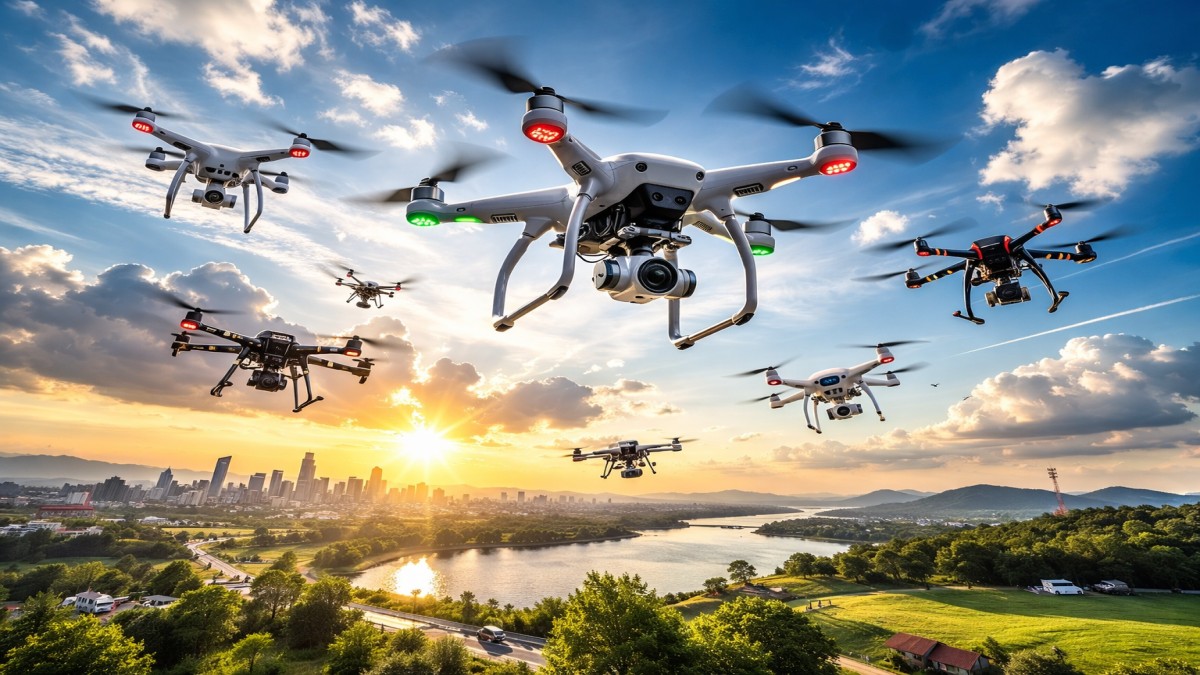
Look up. What do you see?
Drones in the Sky. Clouds. Birds. Maybe a plane carving a white line across blue space. But increasingly, you might also see drones in the sky small, buzzing machines quietly reshaping industries, businesses, and even our daily lives.
Once considered futuristic gadgets, drones are now part of reality. They film weddings, deliver packages, inspect bridges, monitor crops, and assist in rescue missions. They’ve gone from military secrets to backyard hobbies in less than two decades.
So how did we get here? And where are we headed?
Let’s explore.
What Are Drones in the Sky?
At their core, drones are unmanned aerial vehicles (UAVs). That simply means aircraft without a pilot onboard. Instead, they’re controlled remotely or operate autonomously through software.
Definition and Basic Components
A typical drone includes:
- Propellers
- Motors
- A battery
- A flight controller
- GPS system
- A camera (in many models)
Think of it like a flying computer. It constantly calculates speed, balance, wind resistance, and position to stay stable in the air.
How Drones Actually Fly
Drones use multiple propellers—usually four (quadcopters)—to create lift. By adjusting the speed of each motor, they tilt, rotate, climb, or descend.
It’s like balancing on a tightrope while juggling. Tiny adjustments happen every second to keep them stable.
And the best part? Many modern drones handle this automatically. Even beginners can fly them with minimal training.
The Evolution of Drones
Drones didn’t start as weekend toys.
Early Military Origins
The first drones were developed for military purposes. They were used for surveillance and reconnaissance—keeping soldiers out of danger while gathering information.
These early machines were bulky, expensive, and limited in capability.
Rise of Commercial and Consumer Drones
Around the 2010s, drone technology became affordable. Companies began producing compact, camera-equipped drones for consumers.
Suddenly, anyone could capture cinematic aerial footage.
That was a turning point.
Modern AI-Powered Drones
Today’s drones are smarter than ever. They use artificial intelligence for:
- Obstacle avoidance
- Face tracking
- Automatic return-to-home
- Real-time mapping
They don’t just fly—they think.
Types of Drones in the Sky
Not all drones are created equal.
Consumer Drones
These are popular among hobbyists and photographers. Lightweight, portable, and easy to operate.
Perfect for travel videos and social media content.
Commercial Drones
Used in industries like real estate, agriculture, construction, and logistics. These drones often have specialized sensors and longer flight times.
They’re tools, not toys.
Military Drones
Larger, more advanced, and used for surveillance or combat missions. Some can fly for hours or even days.
Racing and FPV Drones
FPV (First Person View) drones offer immersive flying experiences. Pilots wear goggles and see through the drone’s camera in real time.
It’s like being a bird—fast, agile, and thrilling.
How Drones Are Used Today
This is where things get fascinating.
Aerial Photography and Videography
From weddings to blockbuster movies, drones capture breathtaking angles once possible only with helicopters.
They’ve democratized filmmaking.
Agriculture and Farming
Farmers use drones to monitor crops, assess soil health, and even spray pesticides.
It’s precision farming at its finest.
Delivery Services
Major companies are experimenting with drone deliveries. Imagine ordering medicine or food and having it arrive from the sky.
No traffic. No delays.
Emergency and Rescue Operations
During disasters, drones can:
- Locate missing people
- Deliver medical supplies
- Assess structural damage
They go where humans can’t safely go.
Environmental Monitoring
Drones help track wildlife, monitor deforestation, and analyze climate patterns.
They’re like silent guardians of the planet.
Conclusion
Drones in the sky are more than buzzing gadgets. They represent a shift in how we interact with space, technology, and each other.
They capture memories. They save lives. They grow food. They inspect bridges. They might even transport us someday.
Like any powerful tool, drones come with responsibility. But when used wisely, they expand human potential in ways that were unimaginable just a decade ago.
The sky is no longer the limit—it’s the beginning.
FAQs About Drones in the Sky
1. Are drones legal to fly everywhere?
No. There are specific regulations, no-fly zones, and registration requirements depending on your country.
2. How long can drones stay in the air?
Most consumer drones fly for 20–40 minutes per battery. Commercial and military drones can last much longer.
3. Can drones fly in bad weather?
Light wind is manageable, but heavy rain and strong winds can damage drones or cause crashes.
4. Do drones need internet to fly?
No. Most drones use radio signals between the controller and the drone. Internet is only needed for updates or certain features.
5. What is the average cost of a drone?
Consumer drones range from $200 to $1500, while professional models can cost several thousand dollars.

Technisches Gymnasium: Your Gateway to Engineering and Technology

Spangram – Unlocking the Fun and Challenge of Word Puzzles

Drones in the Sky: Revolutionizing the Way We See the World

Gold Shower: Nature’s Cascading Yellow Wonder

Best Dry Shampoo – The Complete Guide for Fresh Hair Without Washing

Angora Cats Splendor – Discover the Majesty of This Elegant Breed

The Indian Bow: A Legacy of Precision, Power, and Tradition

Hydrating Mask for Skin: The Ultimate Guide to Deep Moisture and Glowing Complexion

Brown Sneakers: The Ultimate Style Guide for Timeless Comfort and Versatility

Robert Provost: A Life of Leadership, Community, and Vision

Incestflox: Exploring Controversial Narratives and Online Discourse

Cozey: Revolutionizing Home Comfort One Sofa at a Time

Libélula: The Enchanting Dragonfly and Its Symbolic Power

Smut Book Meaning: Everything You Need to Know About This Steamy Genre

Sarkari Network: Everything You Need to Know

WJBD News: Keeping South Central Illinois Informed and Connected
Zoology Project Topics: Creative Ideas & FAQs for Students

Rapture Ready News: Interpreting Today’s Headlines Through a Prophetic Lens

Lucipara Islands: Indonesia’s Untouched Paradise

Torcia: Lighting the Way – From Ancient Flames to Modern Innovation
Technisches Gymnasium: Your Gateway to Engineering and Technology
Spangram – Unlocking the Fun and Challenge of Word Puzzles
Drones in the Sky: Revolutionizing the Way We See the World
Gold Shower: Nature’s Cascading Yellow Wonder
Best Dry Shampoo – The Complete Guide for Fresh Hair Without Washing
Angora Cats Splendor – Discover the Majesty of This Elegant Breed
The Indian Bow: A Legacy of Precision, Power, and Tradition
Hydrating Mask for Skin: The Ultimate Guide to Deep Moisture and Glowing Complexion
Brown Sneakers: The Ultimate Style Guide for Timeless Comfort and Versatility
Robert Provost: A Life of Leadership, Community, and Vision

 entertainment6 months ago
PYT Telegram: A Complete Guide to Understanding, Using, and Maximizing It

 entertainment7 months ago
OnionFlix: Everything You Need to Know About This Streaming Website
- others5 months ago
Nook vs Kindle: Which E-Reader Is Right for You?
- gaming7 months ago
Melisandre: The Enigmatic Priestess of Game of Thrones