food
Homogenized Milk – Everything You Need to Know

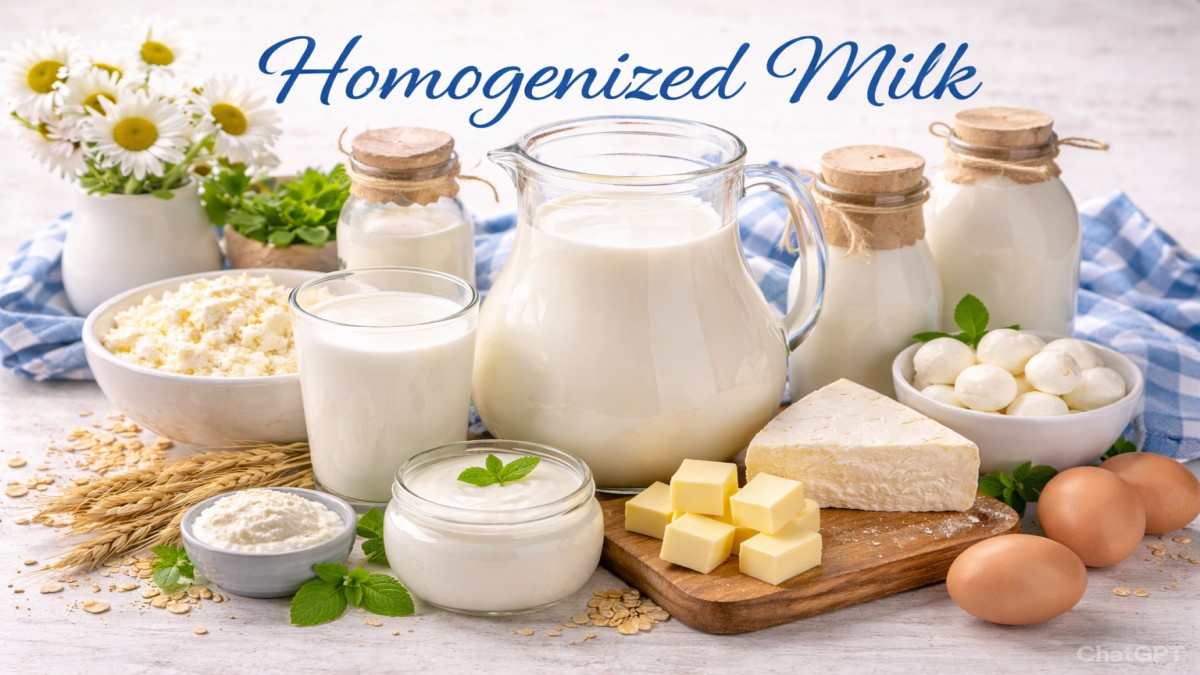
Milk is one of those everyday foods we rarely question. We pour it into tea, cereal, coffee, and recipes without a second thought. But have you ever stopped to wonder why the milk in your fridge looks smooth and uniform instead of separating into cream and liquid? That’s where homogenized milk comes in.
Let’s break it all down in a simple, friendly way—no food science degree required.
Introduction to Homogenized Milk
What Is Homogenized Milk?
Homogenized milk is milk that has been processed so the fat particles are evenly distributed throughout the liquid. In plain words, the cream doesn’t rise to the top. Every sip tastes the same from start to finish.
Why Homogenization Was Invented
Back in the day, milk naturally separated. Cream floated on top, and the thinner milk stayed below. While some people loved that, others found it inconvenient. Homogenization was invented to:
- Improve texture
- Make milk easier to use
- Increase shelf consistency
Think of it as shaking a salad dressing so oil and vinegar don’t separate—except this happens permanently.
The Homogenization Process Explained
How Milk Fat Works Naturally
Milk fat exists as tiny globules. Naturally, these globules stick together and float upward, forming a creamy layer.
Step-by-Step Homogenization Process
- Milk is heated slightly
- It’s forced through tiny openings under high pressure
- Fat globules break into much smaller particles
- These particles stay evenly suspended in the milk
Pressure and Fat Globule Breakdown
The pressure used is intense—thousands of PSI. This breaks fat globules so small that gravity can’t pull them back together.
Homogenized Milk vs Non-Homogenized Milk
Texture and Appearance Differences
- Homogenized milk: Smooth, uniform, creamy
- Non-homogenized milk: Cream layer on top, thinner below
Taste and Mouthfeel Comparison
Homogenized milk feels richer and smoother, even when it’s low-fat. Non-homogenized milk can taste creamier at first sip, then lighter afterward.
Shelf Stability and Storage
Homogenized milk stays consistent longer and doesn’t require shaking before use.
Types of Homogenized Milk
Whole Homogenized Milk
Contains about 3.25% fat. Creamy, rich, and popular for drinking.
Low-Fat and Skim Homogenized Milk
- Low-fat: 1–2% fat
- Skim: Less than 0.5% fat
Both are still homogenized to keep texture smooth.
Homogenized and Pasteurized Milk
Most store-bought milk is both homogenized and pasteurized. Homogenization affects texture; pasteurization improves safety.
Nutritional Value of Homogenized Milk
Calories, Fats, and Proteins
Homogenization does not change:
- Protein content
- Calcium levels
- Calories
It only changes fat distribution.
Vitamins and Minerals
Milk remains rich in:
- Calcium
- Vitamin D
- Vitamin B12
- Phosphorus
Does Homogenization Reduce Nutrition?
No. This is a common myth. Nutrients stay the same.
Health Benefits of Homogenized Milk
Easier Digestion for Many People
Smaller fat globules are easier for some people to digest.
Consistent Nutrient Intake
Every glass provides the same balance of nutrients—no cream-heavy or cream-light servings.
Ideal for Children and Seniors
Smooth texture and consistent nutrition make it suitable for all age groups.
Common Myths About Homogenized Milk
Is Homogenized Milk Unnatural?
The process is mechanical, not chemical. Nothing artificial is added.
Does It Cause Allergies or Heart Issues?
No scientific evidence supports this claim. Milk allergies are related to proteins, not homogenization.
Homogenized Milk in Cooking and Baking
Best Uses in Tea and Coffee
No cream separation means smoother beverages and better blending.
Baking, Sauces, and Desserts
Homogenized milk:
- Mixes evenly
- Improves texture
- Reduces curdling
Why Chefs Prefer Homogenized Milk
Consistency. Recipes turn out the same every time.
Homogenized Milk vs Raw Milk
Safety and Hygiene
Raw milk carries higher bacterial risks. Homogenized milk sold commercially is much safer.
Taste and Texture Differences
Raw milk tastes richer but separates quickly. Homogenized milk is predictable and smooth.
Is Homogenized Milk Safe for Daily Consumption?
Scientific and Regulatory View
Food safety authorities worldwide approve homogenized milk for daily use.
Recommended Intake
Moderation is key. Choose fat levels based on your dietary needs.
Environmental and Industrial Impact
Processing and Energy Use
Homogenization uses energy but improves efficiency by reducing waste.
Packaging and Waste Considerations
Longer shelf stability means less spoilage and food waste.
Conclusion
Homogenized milk isn’t something to fear—it’s something to understand. It’s safe, nutritious, convenient, and designed to make everyday life easier. Whether you’re pouring it into coffee, cooking dinner, or feeding your family, homogenized milk delivers consistency you can rely on. Once you know how it works, that smooth white liquid in your glass makes a lot more sense.
FAQs
1. Is homogenized milk healthier than non-homogenized milk?
Both are nutritionally similar. The difference is texture, not health value.
2. Can children drink homogenized milk daily?
Yes, it’s safe and commonly recommended.
3. Does homogenized milk contain additives?
No additives are used in homogenization.
4. Why doesn’t cream rise in homogenized milk?
Fat globules are too small to separate.
5. Is homogenized milk suitable for cooking?
Absolutely. It’s preferred for its consistency.

How Much Water Should I Drink Daily? Exact Amount Based on Your Body (2026 Guide)

Why Am I Always Tired Even After Sleeping (Honestly, This Is More Common Than You Think)

How to Sleep Better at Night Naturally (Honestly, It’s Not as Complicated as You Think)

Torcia: Lighting the Way From Ancient Flames to Modern Innovation

TikTok Algorithm Tips 2026 – Best TikTok Algorithm Tips 2026 to Grow Fast in USA

How to Go Viral on Instagram Reels – Honestly, It’s Not Just Luck

Social Media Trends USA 2026 – What’s Actually Changing (And What Still Works)

How to Build Personal Brand Online – Honestly, It’s Less About Perfection and More About Showing Up

Best Posting Times for Social Media USA – Honestly, Timing Matters More Than You Think

Instagram Growth Tips 2026 USA – Honestly, It’s Not About Tricks, It’s About Smart Work

Snifies: Redefining the World of Casual Connections and LGBTQ+ Social Discovery

Smut Book Meaning: Everything You Need to Know About This Steamy Genre

Dobutamine: Uses, Mechanism, Dosage, and Side Effects

Ishraq Time in Delhi: What It Is, When It Happens, and Why It Matters

Sarkari Network: Everything You Need to Know

Beton Celular Autoclavizat: The Future of Lightweight, Eco-Friendly Construction
Torcia: Lighting the Way From Ancient Flames to Modern Innovation

Read OPM Manga Online: Where and How to Enjoy One Punch Man Legally

Why Every Small Business Needs a Digital Marketing Agency

Goblets: A Timeless Symbol of Elegance and Celebration
How Much Water Should I Drink Daily? Exact Amount Based on Your Body (2026 Guide)
Why Am I Always Tired Even After Sleeping (Honestly, This Is More Common Than You Think)
How to Sleep Better at Night Naturally (Honestly, It’s Not as Complicated as You Think)
Torcia: Lighting the Way From Ancient Flames to Modern Innovation
TikTok Algorithm Tips 2026 – Best TikTok Algorithm Tips 2026 to Grow Fast in USA
How to Go Viral on Instagram Reels – Honestly, It’s Not Just Luck
Social Media Trends USA 2026 – What’s Actually Changing (And What Still Works)
How to Build Personal Brand Online – Honestly, It’s Less About Perfection and More About Showing Up
Best Posting Times for Social Media USA – Honestly, Timing Matters More Than You Think
Instagram Growth Tips 2026 USA – Honestly, It’s Not About Tricks, It’s About Smart Work

 entertainment7 months ago
PYT Telegram: A Complete Guide to Understanding, Using, and Maximizing It

 entertainment8 months ago
OnionFlix: Everything You Need to Know About This Streaming Website
- others6 months ago
Nook vs Kindle: Which E-Reader Is Right for You?
- gaming8 months ago
Melisandre: The Enigmatic Priestess of Game of Thrones