fashion
Hydrating Mask for Skin: The Ultimate Guide to Deep Moisture and Glowing Complexion

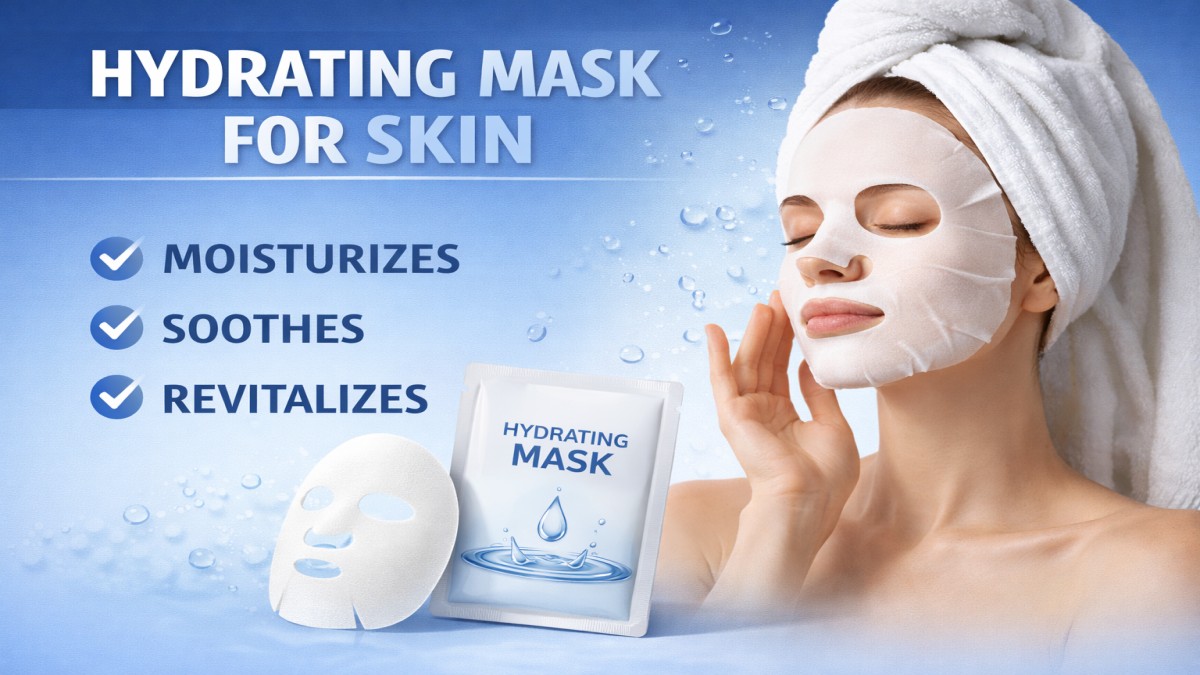
Introduction toHydrating Mask for Skin
Ever feel like your skin looks tired, dull, or just… thirsty? That tight feeling after washing your face? That’s your skin crying out for hydration.
A hydrating mask for skin is like giving your face a tall glass of water. It doesn’t just sit on the surfaceit works to replenish moisture deep within the layers of your skin.
Why Hydration Is Essential for Skin
Your skin is your body’s protective shield. When it’s dehydrated, it becomes rough, flaky, and more prone to irritation. Think of your skin like a sponge. When it’s dry, it shrinks and cracks. When it’s hydrated, it’s plump and smooth.
Hydration keeps your skin barrier strong, flexible, and glowing.
The Difference Between Hydrating Mask for Skin and Moisturizing
Here’s where people get confused.
- Hydrating means adding water to the skin.
- Moisturizing means sealing that hydration in.
A hydrating mask primarily focuses on boosting water content, making your skin look fresh and healthy.
What Is a Hydrating Mask for Skin?
A Hydrating Mask for Skin is a skincare treatment designed to deeply infuse moisture into the skin. It usually contains ingredients that attract and retain water.
Key Ingredients That Lock in Moisture
Look for these powerful hydrators:
- Hyaluronic Acid
- Glycerin
- Aloe Vera
- Ceramides
- Honey
These ingredients act like magnets, pulling water into your skin and holding it there.
How It Works on Different Skin Layers
Hydrating masks penetrate the outer layer (epidermis) and support moisture retention. This helps your skin look plumper and smoother almost instantly.
Benefits of Using a Hydrating Mask
Restores Skin Barrier
A healthy skin barrier keeps out pollutants and irritants. Hydrating masks strengthen this barrier, reducing redness and sensitivity.
Improves Texture and Glow
Ever notice how your skin glows after a good facial? That’s hydration at work. A well-hydrated face reflects light better, giving you that dewy finish.
Reduces Fine Lines
Dehydration makes fine lines more visible. Hydration plumps the skin, softening their appearance.
Types of Hydrating Masks
Sheet Masks
Convenient and mess-free. These are soaked in hydrating serum and placed directly on the face.
Cream Masks
Rich and nourishing. Perfect for very dry skin.
Gel Masks
Lightweight and cooling. Ideal for oily or acne-prone skin.
Overnight Masks
Also called sleeping masks. Apply before bed and wake up to refreshed skin.
Hydrating Masks for Different Skin Types
Dry Skin
Choose cream-based masks with ceramides and oils.
Oily Skin
Opt for oil-free gel masks with hyaluronic acid.
Combination Skin
Use lightweight formulas that balance hydration without heaviness.
Sensitive Skin
Look for fragrance-free masks with soothing ingredients like aloe vera.
How to Choose the Right Hydrating Mask
Reading Labels
Check the ingredient list. The first few ingredients matter most. Avoid alcohol-heavy formulas if your skin is dry.
Avoiding Harsh Ingredients
Stay away from artificial fragrances and strong acids if your skin is sensitive.
How to Use a Hydrating Mask Properly
Step-by-Step Guide
- Cleanse your face.
- Apply toner (optional).
- Apply the hydrating mask evenly.
- Leave it on for recommended time.
- Rinse or massage in residue.
- Follow with moisturizer.
Frequency of Use
2–3 times a week is ideal for most skin types.
DIY Hydrating Masks at Home
Honey and Yogurt Mask
Mix one tablespoon of honey with plain yogurt. Apply for 15 minutes. Rinse with warm water.
Aloe Vera Mask
Use fresh aloe gel directly on your skin for soothing hydration.
Common Mistakes to Avoid
- Overusing masks daily
- Not cleansing before application
- Skipping moisturizer afterward
- Using products not suited to your skin type
Hydrating Masks vs. Other Skincare Products
Serums hydrate lightly. Creams seal moisture. Masks deliver an intensive boost. Think of them as a power charger for your skin.
Seasonal Skincare and Hydration
Winter dries out skin faster due to cold air. Summer heat causes water loss. Hydrating masks help maintain balance year-round.
Hydrating Masks and Anti-Aging
Hydrated skin looks younger. It’s simple. Plump skin = fewer visible wrinkles.
Conclusion
A hydrating mask for skin isn’t just a luxury—it’s a necessity in modern skincare. Pollution, stress, weather changes—they all strip moisture from your face. A good mask restores balance, improves glow, and keeps your skin barrier strong.
If your skin feels dull or tight, maybe it’s just thirsty. Give it what it needs.
FAQs
1. Can I use a hydrating mask every day?
It’s better to use it 2–3 times a week unless the product specifically says it’s safe for daily use.
2. Are hydrating masks suitable for oily skin?
Yes, choose lightweight gel formulas without heavy oils.
3. How long should I leave a hydrating mask on?
Follow product instructions, usually 10–20 minutes.
4. Can I apply makeup after using a hydrating mask?
Yes, your skin will actually look smoother and more radiant.
5. Do hydrating masks help with acne?
They don’t treat acne directly but help maintain a healthy skin barrier.

The Indian Bow: A Legacy of Precision, Power, and Tradition

Hydrating Mask for Skin: The Ultimate Guide to Deep Moisture and Glowing Complexion

Brown Sneakers: The Ultimate Style Guide for Timeless Comfort and Versatility

Robert Provost: A Life of Leadership, Community, and Vision

Microneedling at Home: A Complete Guide to Safe and Effective DIY Skin Rejuvenation

Nail Shapes – The Ultimate Guide to Finding Your Perfect Style

Understanding Pyrometers: The Ultimate Guide to High-Temperature Measurement

Garlic Chives – The Flavorful Herb You Need in Your Kitchen

Radicchio: The Complete Guide to This Bold and Beautiful Italian Chicory

The Complete Guide to Confectionery Coating: Everything You Need to Know

Brainrot Memes: The Unhinged Humor of the Internet Generation

Leonardo DiCaprio Meme: How The Internet Turned An Oscar-Winning Actor Into A Meme Icon

Incestflox: Exploring Controversial Narratives and Online Discourse

Cozey: Revolutionizing Home Comfort One Sofa at a Time

Libélula: The Enchanting Dragonfly and Its Symbolic Power

Smut Book Meaning: Everything You Need to Know About This Steamy Genre

Sarkari Network: Everything You Need to Know

WJBD News: Keeping South Central Illinois Informed and Connected

Zoology Project Topics: Creative Ideas & FAQs for Students

Lucipara Islands: Indonesia’s Untouched Paradise
The Indian Bow: A Legacy of Precision, Power, and Tradition
Hydrating Mask for Skin: The Ultimate Guide to Deep Moisture and Glowing Complexion
Brown Sneakers: The Ultimate Style Guide for Timeless Comfort and Versatility
Robert Provost: A Life of Leadership, Community, and Vision
Microneedling at Home: A Complete Guide to Safe and Effective DIY Skin Rejuvenation
Nail Shapes – The Ultimate Guide to Finding Your Perfect Style
Understanding Pyrometers: The Ultimate Guide to High-Temperature Measurement
Garlic Chives – The Flavorful Herb You Need in Your Kitchen
Radicchio: The Complete Guide to This Bold and Beautiful Italian Chicory
The Complete Guide to Confectionery Coating: Everything You Need to Know

 entertainment6 months ago
PYT Telegram: A Complete Guide to Understanding, Using, and Maximizing It

 entertainment6 months ago
OnionFlix: Everything You Need to Know About This Streaming Website
- others5 months ago
Nook vs Kindle: Which E-Reader Is Right for You?
- gaming6 months ago
Melisandre: The Enigmatic Priestess of Game of Thrones