others
MAP Sensor: Understanding Its Role, Function, and Importance in Modern Vehicles
Published
1 year agoon
By
Hamari Web
Table of Contents
ToggleIntroduction
Ever wondered what makes your car run so smoothly? Among the many unsung heroes of your vehicle’s engine, the MAP sensor plays a crucial role. Standing for Manifold Absolute Pressure sensor, this tiny component is essential for optimizing your car’s fuel efficiency, performance, and emissions.
Let’s break down what a MAP sensor does, how it works, and why it’s vital for every modern internal combustion engine.
What Is a MAP Sensor?
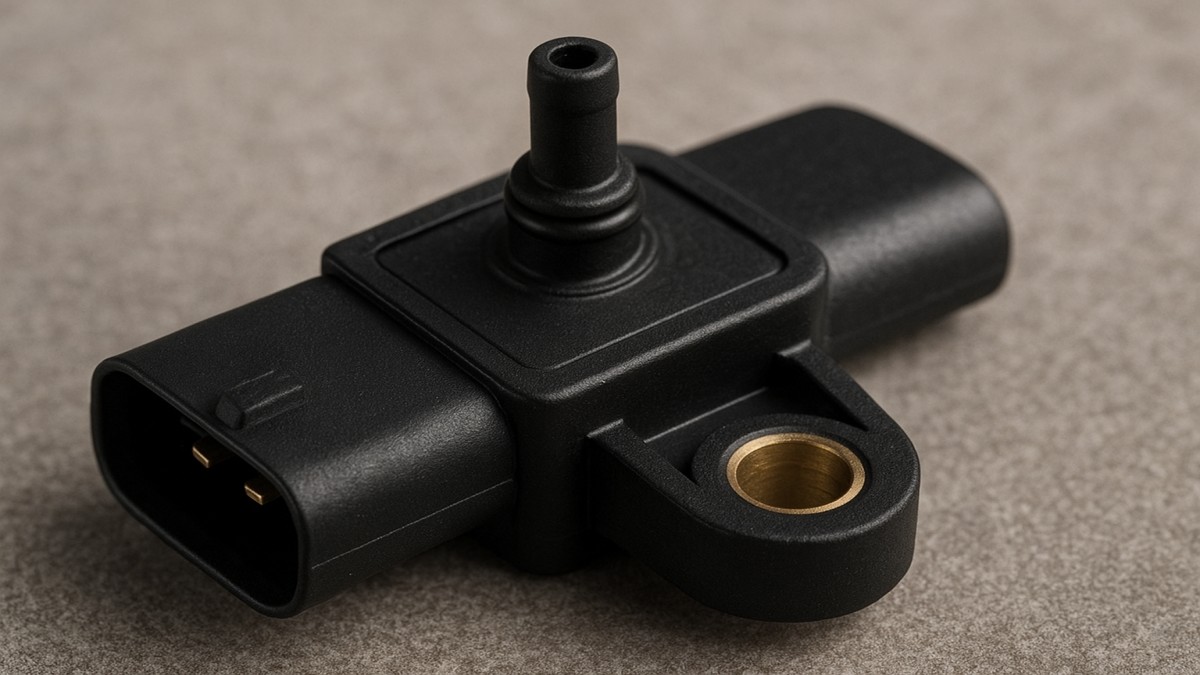
A MAP sensor measures the pressure inside the intake manifold of your vehicle. This information helps the engine control unit (ECU) determine how much fuel to inject into the combustion chamber. Essentially, it’s the engine’s way of “breathing properly.”
Without accurate data from the MAP sensor, the ECU can’t balance the air-fuel ratio, leading to inefficient combustion and poor performance.
How Does a MAP Sensor Work?
The MAP sensor constantly monitors vacuum pressure in the intake manifold. When you press the accelerator, air rushes in, changing the pressure levels. The sensor converts these pressure variations into voltage signals that the ECU can interpret.
Here’s the simple chain of command:
- Pressure changes in the manifold.
- MAP sensor detects it.
- ECU adjusts fuel injection accordingly.
This real-time process ensures your car responds instantly to throttle input.
MAP Sensor vs. MAF Sensor: What’s the Difference?
Though both sensors monitor air entering the engine, they work differently:
- MAP Sensor measures air pressure in the manifold.
- MAF Sensor measures actual air mass entering the intake.
Some vehicles even use both for better accuracy, helping the ECU fine-tune performance under varying conditions.
Main Components of a MAP Sensor
A typical MAP sensor includes:
- Pressure transducer – Detects manifold pressure.
- Electronic circuitry – Converts pressure readings into voltage signals.
- Connector pins – Transmit data to the ECU.
Most sensors are compact, lightweight, and built to withstand heat and vibration under the hood.
Where Is the MAP Sensor Located?
You’ll typically find the MAP sensor on or near the intake manifold, often mounted with a small vacuum hose. Some modern vehicles integrate it directly into the intake assembly.
Importance of the MAP Sensor in Engine Performance
Your car’s performance depends heavily on accurate air-fuel mixture. The MAP sensor’s readings help:
- Adjust fuel injection timing.
- Regulate engine idle speed.
- Maintain smooth acceleration.
- Control ignition timing and emissions.
In short, the MAP sensor ensures your engine runs efficiently, economically, and cleanly.
Symptoms of a Bad MAP Sensor
A faulty MAP sensor can cause a variety of problems, including:
1. Engine Misfires
Incorrect air-fuel ratios may lead to incomplete combustion, resulting in misfires or jerky acceleration.
2. Poor Fuel Economy
A damaged sensor can make the ECU inject too much or too little fuel, wasting gas.
3. Rough Idling
Fluctuating pressure readings disrupt the engine’s stability at idle.
4. Check Engine Light
A failing MAP sensor often triggers the check engine light, signaling the need for inspection.
Common Causes of MAP Sensor Failure
- Buildup of dirt, oil, or carbon on the sensor
- Damaged vacuum lines or connectors
- Electrical faults or short circuits
- General wear and tear due to engine heat
Routine maintenance can help prevent these issues.
How to Test a MAP Sensor
You can test your MAP sensor using a multimeter. Check for:
- Correct voltage output under varying engine loads.
- Consistent signal changes when revving the engine.
If readings are off, it’s time to clean or replace the sensor.
Steps to Clean or Replace a MAP Sensor
- Disconnect the battery.
- Locate the sensor on the intake manifold.
- Remove it carefully.
- Use electronic cleaner spray to remove buildup.
- Let it dry before reinstalling.
If the sensor is too worn, replacing it is usually inexpensive and straightforward.
Conclusion
The MAP sensor may be small, but its impact on engine efficiency is massive. From regulating fuel mixture to improving throttle response, it’s a key player in your car’s performance. Regular checks and timely maintenance ensure your vehicle stays in top condition efficient, powerful, and eco-friendly.
FAQs
1. What does the MAP sensor control?
It regulates fuel delivery and ignition timing based on manifold pressure readings.
2. How often should I replace my MAP sensor?
Typically, every 50,000–70,000 miles, or when signs of malfunction appear.
3. Can I clean a MAP sensor instead of replacing it?
Yes, using an electronics-safe cleaner can restore its function if it’s just dirty.
4. What happens if I ignore a faulty MAP sensor?
Your car may suffer poor fuel economy, increased emissions, and engine damage.
5. Is the MAP sensor the same as a boost sensor?
They’re similar, but boost sensors are used in turbocharged engines to measure pressure beyond atmospheric levels.

How to Start a Freelance Business: Simple Steps That Turn Your Skills Into Income

Small Business Loyalty Program Ideas: Simple Ways That Keep Customers Coming Back

Small Business Budget Spreadsheet: A Simple Guide That Keeps Your Money on Track

LinkedIn Business Page Setup: Simple Steps for Small Business

Cold Email Examples That Get Replies: Simple Templates for Small Business

How to Write a Follow Up Email After a Meeting: Simple Steps That Keep the Conversation Going

How to Word a Business Proposal That Wins Clients: Simple Steps for Small Business

How to Write an About Us Page for Small Business: Simple Steps That Build Trust

How to Ask for a Testimonial from a Client: Simple Steps That Actually Work

How to Choose a Domain Name for Your Business: Simple Steps That Help Customers Find You

How to Repurpose Blog Content for Social Media Without Starting From Scratch
How to Handle Customer Complaints in a Small Business: A Calm, Practical Guide That Turns Problems Into Loyalty

How to Create a Small Business Content Marketing Plan That Actually Gets Results

How to Create a Content Calendar for a Small Business

How to Set SMART Goals for a Small Business: A Practical Guide That Actually Works

How to Set Up a Simple Referral Program for Your Small Business: A Beginner’s Guide That Brings in New Customers

How to Write a Professional Business Email That Gets a Reply

How to Write a Business Proposal for Your Small Business: A Simple Guide That Wins Clients

How to Write a Simple Business Plan for Your Small Business: A Practical Guide That Gets You Started

How to Price Your Services as a Small Business: A Simple Guide That Protects Your Profit

How to Start a Freelance Business: Simple Steps That Turn Your Skills Into Income

Small Business Loyalty Program Ideas: Simple Ways That Keep Customers Coming Back

Small Business Budget Spreadsheet: A Simple Guide That Keeps Your Money on Track

LinkedIn Business Page Setup: Simple Steps for Small Business

Cold Email Examples That Get Replies: Simple Templates for Small Business

How to Write a Follow Up Email After a Meeting: Simple Steps That Keep the Conversation Going

How to Word a Business Proposal That Wins Clients: Simple Steps for Small Business

How to Write an About Us Page for Small Business: Simple Steps That Build Trust

How to Ask for a Testimonial from a Client: Simple Steps That Actually Work

How to Choose a Domain Name for Your Business: Simple Steps That Help Customers Find You
Trending
entertainment1 year agoPYT Telegram: A Complete Guide to Understanding, Using, and Maximizing It
entertainment1 year agoOnionFlix: Everything You Need to Know About This Streaming Website
education1 year agoHow to Become a Software Engineer: A Complete Guide
others1 year agoNook vs Kindle: Which E-Reader Is Right for You?