Health
Microneedling at Home: A Complete Guide to Safe and Effective DIY Skin Rejuvenation

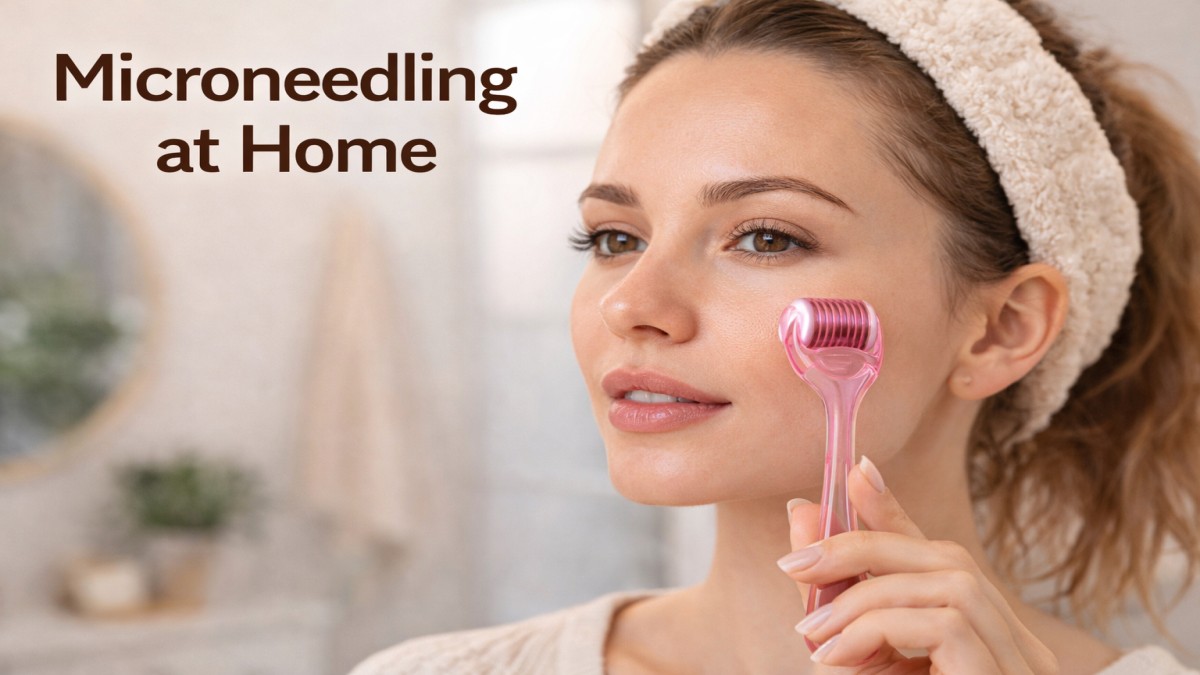
Microneedling at home has become one of the biggest skincare trends in recent years. From TikTok tutorials to beauty blogs, everyone seems to be talking about rolling tiny needles over their face. Sounds scary? Maybe a little. But when done correctly, Microneedling at Home can help improve skin texture, reduce acne scars, minimize fine lines, and boost overall glow.
The key is knowing how to do it safely.
In this detailed guide, we’ll break down everything you need to know about microneedling at home how it works, benefits, risks, step-by-step instructions, and important safety tips.
What Is Microneedling at Home?
Microneedling is a cosmetic procedure that uses tiny, fine needles to create controlled micro-injuries in the skin. These tiny punctures stimulate your body’s natural healing process, encouraging collagen and elastin production.
Think of it like pressing a reset button for your skin.
When your skin repairs itself, it becomes firmer, smoother, and more even-toned.
How Microneedling Works
When the skin experiences small, controlled injuries:
- Blood flow increases.
- Collagen production is stimulated.
- Skin regeneration speeds up.
Over time, this process can reduce:
- Fine lines
- Acne scars
- Enlarged pores
- Uneven texture
- Mild hyperpigmentation
Professional treatments use deeper needles, but at-home microneedling devices use shorter needles designed for safer DIY use.
Benefits of Microneedling at Home
Microneedling at home offers several advantages if done properly.
1. Improves Skin Texture
Helps smooth rough patches and refine pores.
2. Reduces Fine Lines
Boosted collagen can make skin appear firmer and more youthful.
3. Fades Acne Scars
Regular treatments may gradually soften shallow scars.
4. Enhances Product Absorption
After microneedling, your skin absorbs serums more effectively.
5. Cost-Effective Alternative
Professional sessions can be expensive. Doing it at home saves money.
Is Microneedling at Home Safe?
Yes — but only if you follow strict hygiene and safety rules.
At-home devices usually use needle lengths between 0.2mm to 0.5mm. These are generally considered safe for beginners.
However, improper technique can lead to:
- Infection
- Skin irritation
- Hyperpigmentation
- Scarring
If you have active acne, eczema, rosacea, or open wounds, avoid microneedling without consulting a professional.
Tools Needed for Microneedling at Home
Here’s what you’ll need:
- Derma roller or microneedling pen (0.25mm–0.5mm)
- Alcohol (70% isopropyl) for sanitizing
- Gentle cleanser
- Hydrating serum (hyaluronic acid is ideal)
- Soothing moisturizer
- Sunscreen
Never skip sanitizing. Clean tools prevent infections.
Step-by-Step Guide to Microneedling at Home
Follow these steps carefully:
Step 1: Cleanse Your Face
Start with a gentle cleanser to remove dirt and oil.
Step 2: Sanitize the Device
Soak your derma roller in alcohol for 5–10 minutes.
Step 3: Dry Your Skin
Pat your face completely dry.
Step 4: Roll Gently
Roll the device lightly across your skin:
- Horizontally
- Vertically
- Diagonally
Avoid pressing hard. Gentle pressure is enough.
Step 5: Apply Serum
Immediately apply a hydrating serum. Your skin will absorb it deeply.
Step 6: Moisturize
Use a soothing moisturizer to calm redness.
Step 7: Clean the Device Again
Disinfect your tool and let it air dry before storing.
How Often Should You Microneedle at Home?
For 0.25mm rollers:
- 1–2 times per week
For 0.5mm rollers:
- Every 3–4 weeks
Your skin needs time to heal. Overdoing it can cause damage.
What to Avoid After Microneedling
After treatment, your skin is sensitive. Avoid:
- Direct sunlight
- Retinol
- Exfoliating acids
- Heavy makeup
- Sweating excessively
Always apply sunscreen the next day.
Microneedling at Home vs Professional Treatment
There’s a big difference between DIY and in-clinic procedures.
At-Home Microneedling
- Shorter needles
- Minimal downtime
- Gradual results
Professional Microneedling
- Deeper needles
- More dramatic results
- Performed by licensed professionals
If you have deep acne scars or significant skin concerns, professional treatment may be more effective.
Conclusion
Microneedling at home can be an effective way to improve skin texture, boost collagen, and enhance your glow — but only if done carefully and responsibly.
By using proper tools, maintaining hygiene, and giving your skin time to heal, you can enjoy many of the benefits of microneedling without stepping into a clinic.
Start slow. Be gentle. And most importantly, listen to your skin.
FAQs About Microneedling at Home
1. Does microneedling at home hurt?
It may cause mild discomfort, but shorter needles are generally tolerable.
2. How long does it take to see results?
You may notice improvements within 4–6 weeks with consistent use.
3. Can microneedling remove deep acne scars?
At-home treatments may improve mild scars. Deep scars often require professional treatment.
4. Should I use vitamin C after microneedling?
Avoid strong actives immediately after treatment. Use gentle, hydrating products instead.
5. Can I wear makeup after microneedling?
It’s best to wait at least 24 hours to prevent irritation and clogged pores.

Robert Provost: A Life of Leadership, Community, and Vision

Microneedling at Home: A Complete Guide to Safe and Effective DIY Skin Rejuvenation

Nail Shapes – The Ultimate Guide to Finding Your Perfect Style

Understanding Pyrometers: The Ultimate Guide to High-Temperature Measurement

Garlic Chives – The Flavorful Herb You Need in Your Kitchen

Radicchio: The Complete Guide to This Bold and Beautiful Italian Chicory

The Complete Guide to Confectionery Coating: Everything You Need to Know

Frankincense Oil: Benefits, Uses, Safety, and Everything You Need to Know

Vaginal Dryness Natural Remedies – Causes, Treatments & Prevention

Brownwood News: Your Window into Texas Life

Brainrot Memes: The Unhinged Humor of the Internet Generation

Leonardo DiCaprio Meme: How The Internet Turned An Oscar-Winning Actor Into A Meme Icon

Incestflox: Exploring Controversial Narratives and Online Discourse

Cozey: Revolutionizing Home Comfort One Sofa at a Time

Snifies: Redefining the World of Casual Connections and LGBTQ+ Social Discovery

Libélula: The Enchanting Dragonfly and Its Symbolic Power

Smut Book Meaning: Everything You Need to Know About This Steamy Genre
Sarkari Network: Everything You Need to Know

WJBD News: Keeping South Central Illinois Informed and Connected

Zoology Project Topics: Creative Ideas & FAQs for Students
Robert Provost: A Life of Leadership, Community, and Vision
Microneedling at Home: A Complete Guide to Safe and Effective DIY Skin Rejuvenation
Nail Shapes – The Ultimate Guide to Finding Your Perfect Style
Understanding Pyrometers: The Ultimate Guide to High-Temperature Measurement
Garlic Chives – The Flavorful Herb You Need in Your Kitchen
Radicchio: The Complete Guide to This Bold and Beautiful Italian Chicory
The Complete Guide to Confectionery Coating: Everything You Need to Know
Frankincense Oil: Benefits, Uses, Safety, and Everything You Need to Know
Vaginal Dryness Natural Remedies – Causes, Treatments & Prevention
Brownwood News: Your Window into Texas Life

 entertainment6 months ago
PYT Telegram: A Complete Guide to Understanding, Using, and Maximizing It

 entertainment6 months ago
OnionFlix: Everything You Need to Know About This Streaming Website
- others5 months ago
Nook vs Kindle: Which E-Reader Is Right for You?
- gaming6 months ago
Melisandre: The Enigmatic Priestess of Game of Thrones