others
Mortar Fireworks: What They Are, How They’re Used, and—Most Importantly—How to Stay Safe
Published
1 year agoon
By
Hamari Web
Table of Contents
ToggleIntroduction
Mortar fireworks are the big, boomy spectacles you see lighting up the sky at celebrations. They’re dramatic, loud, and can be absolutely dazzling but they also carry serious risks when handled improperly. This article explains what mortar fireworks are in plain English, outlines the common types, touches on legal and safety considerations, and gives practical, non-technical advice to enjoy them responsibly.
What Are Mortar Fireworks?
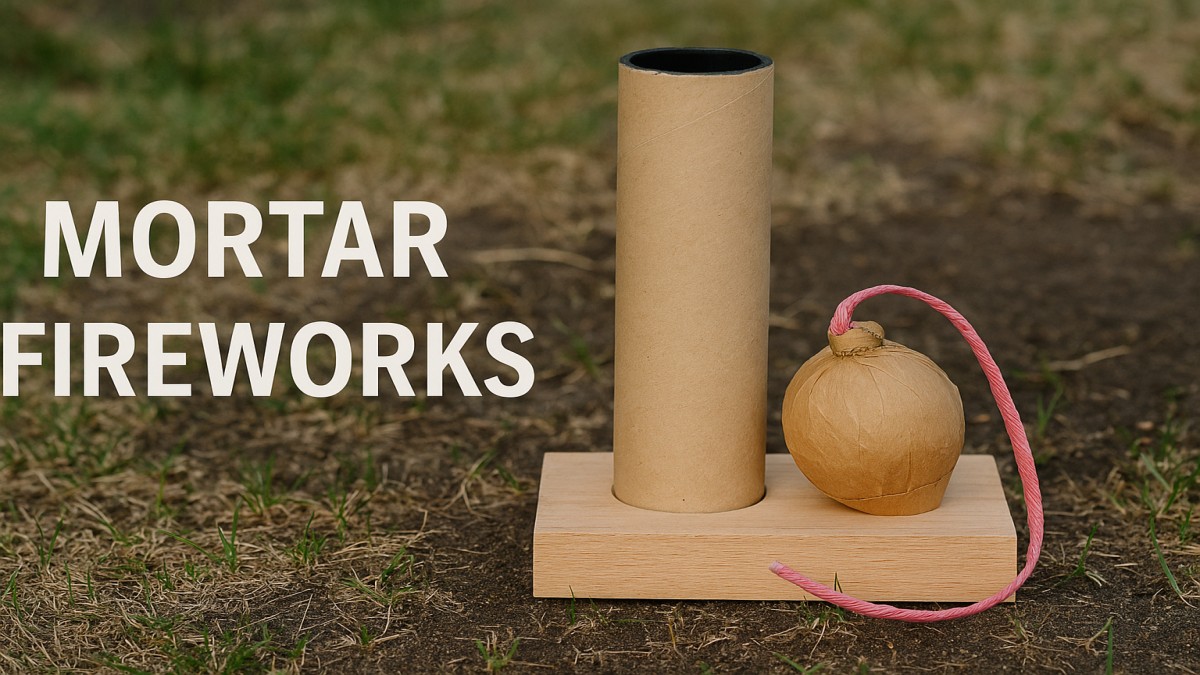
At a high level, “mortar fireworks” refers to aerial shells that are fired into the sky and burst into colorful effects (bursts, stars, peonies, willows, etc.). The name “mortar” comes from the tube or launching device used to propel the shell: the shell is launched, rises, then explodes into the visual display you see. Mortar fireworks are responsible for many of the classic aerial effects in professional and consumer displays.
Types of Mortar Fireworks
- Consumer-grade aerial shells: Smaller, made for sale to the general public in places where they’re legal. They produce attractive effects but are limited in size and power compared to professional munitions.
- Professional shells (display fireworks): Larger and more complex, these are used by licensed pyrotechnicians at public shows and festivals. They create bigger bursts, more intricate effects, and require specialized handling and equipment.
- Multi-shot aerial racks/boxes: Products that contain multiple tubes and fire a sequence of shells in timed order. Again, consumer versions are smaller and less powerful than professional racks.
How Mortar Fireworks Work — (A Very Basic Overview)
Without getting into technical or construction details: a mortar shell contains the visual effect (composition) and a time-delay element so it bursts at altitude. A launching tube provides the initial thrust to send the shell upward. After a short time, the shell’s internal timing mechanism causes it to break open and produce the aerial pattern. That’s the essence — but the important point is that launching and timing are what make mortar fireworks dramatic and potentially hazardous.
Legal & Regulatory Considerations
Laws around mortar fireworks vary widely by country, state/province, and even city:
- Many places permit only consumer fireworks and ban larger display shells.
- Some jurisdictions ban consumer aerials entirely or require permits for use.
- Professional displays almost always require licensed pyrotechnicians, permits, and safety inspections.
- Sales age limits and seasonal restrictions are common.
Before buying or using any mortar fireworks, check local regulations and obey them. When in doubt, attend a licensed public display instead of attempting to set up your own aerial show.
Why Professional Displays Are Safer
Licensed pyrotechnicians are trained in crowd safety, wind and weather assessment, proper device selection, secure setup of mortar racks, and emergency procedures. They also secure required permits and coordinate with local authorities. That means far fewer surprises and far less risk to the public.
Common Accidents & How They Happen
Typical mishaps include misfires, tipped launch tubes, sparks igniting nearby objects, and injuries from being too close to a bursting shell. Most incidents result from improper setup, DIY modifications, or failure to respect distance and safety guidance. Avoidance of these behaviors dramatically reduces risk.
Alternatives to Mortar Fireworks
If aerial shells worry you but you still want celebratory effects, consider:
- Professional public displays (the safest option).
- Ground-based pyrotechnics (fountains, sparklers used properly, etc.) that pose lower aerial risk.
- LED light shows or drone light displays, which can produce stunning visuals without fire or explosive risk.
Conclusion
Mortar fireworks create some of the most memorable moments in celebrations, but they demand respect. The safest choices are to attend professionally managed displays or, if using consumer aerials where legal, follow manufacturer guidance and common-sense safety steps. Don’t improvise, don’t modify, and always prioritize people and property over spectacle.
FAQs
1. Are mortar fireworks legal everywhere?
No. Laws differ by country, state/province, and municipality. Always check local rules before purchasing or using them.
2. Can I use consumer mortar shells at home?
Only where permitted and if you follow all safety guidelines and label instructions. For bigger shells and complex displays, hire a licensed professional.
3. What should I do if a shell fails to launch?
Keep everyone at a safe distance and follow the manufacturer’s instructions for dud devices. Never attempt to re-light or disassemble it.
4. Are professional shows significantly safer?
Yes—professionals are trained, insured, and follow permitting and safety protocols that minimize risks.
5. What’s a safe alternative for home celebrations?
Consider ground-based effects (sparklers used responsibly, fountains) or attending a licensed public display; drone light shows are a growing, safer option.

How to Start a House Painting Business: Simple Steps That Turn Your Painting Skills Into Income

How to Start a Window Cleaning Business: Simple Steps That Turn Your Skills Into Income

How to Start a Pet Grooming Business: Simple Steps That Turn Your Love of Animals Into Income

How to Start a Car Detailing Business: Simple Steps That Turn Your Skills Into Income

How to Start a Pressure Washing Business: A Simple Guide That Gets You Your First Customers

How to Start a Lawn Mowing Business: Simple Steps That Turn Mowing Into Income

How to Start a Dog Walking Business: Simple Steps That Turn Walks Into Income

How to Start a House Cleaning Business: Simple Steps That Win Your First Clients

How to Pay Employees in Your Small Business: Simple Steps That Get It Right

How to Do Market Research for Small Business: Simple Steps That Find Your Customers

How to Repurpose Blog Content for Social Media Without Starting From Scratch

How to Write a Simple Business Plan for Your Small Business: A Practical Guide That Gets You Started

How to Create a Small Business Content Marketing Plan That Actually Gets Results
How to Handle Customer Complaints in a Small Business: A Calm, Practical Guide That Turns Problems Into Loyalty

How to Get More Clients for Your Business: Simple Ways That Actually Work

How to Create a Content Calendar for a Small Business

How to Write a Professional Business Email That Gets a Reply

How to Set Up a Simple Referral Program for Your Small Business: A Beginner’s Guide That Brings in New Customers

How to Set SMART Goals for a Small Business: A Practical Guide That Actually Works

Branding Tips for Small Businesses: A Simple Guide That Makes You Memorable

How to Start a House Painting Business: Simple Steps That Turn Your Painting Skills Into Income

How to Start a Window Cleaning Business: Simple Steps That Turn Your Skills Into Income

How to Start a Pet Grooming Business: Simple Steps That Turn Your Love of Animals Into Income

How to Start a Car Detailing Business: Simple Steps That Turn Your Skills Into Income

How to Start a Pressure Washing Business: A Simple Guide That Gets You Your First Customers

How to Start a Lawn Mowing Business: Simple Steps That Turn Mowing Into Income

How to Start a Dog Walking Business: Simple Steps That Turn Walks Into Income

How to Start a House Cleaning Business: Simple Steps That Win Your First Clients

How to Pay Employees in Your Small Business: Simple Steps That Get It Right

How to Do Market Research for Small Business: Simple Steps That Find Your Customers
Trending
entertainment1 year agoPYT Telegram: A Complete Guide to Understanding, Using, and Maximizing It
entertainment1 year agoOnionFlix: Everything You Need to Know About This Streaming Website
education1 year agoHow to Become a Software Engineer: A Complete Guide
others1 year agoNook vs Kindle: Which E-Reader Is Right for You?