business
Neural Finance: The Future of Smart Investing
Published
1 year agoon
By
Hamari Web
Table of Contents
ToggleIntroduction
What if your financial decisions were powered not just by human logic but by the intelligence of advanced neural networks? This is where neural finance steps in a cutting-edge approach that combines artificial intelligence, machine learning, and deep learning with financial systems. From predicting stock trends to managing risk, neural finance is revolutionizing the way money moves around the world.
In this article, we’ll explore what neural finance is, how it works, its applications, benefits, challenges, and what the future might hold.
What Is Neural Finance?
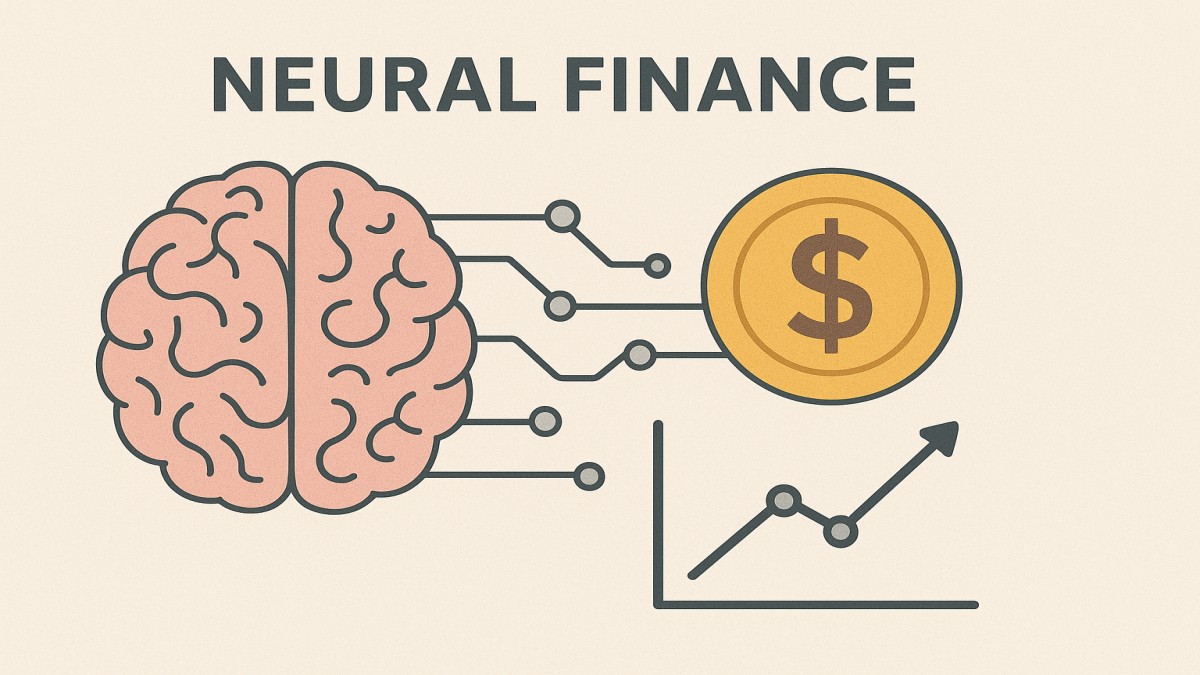
Neural finance refers to the application of neural networks and AI-driven models in financial markets and banking systems. These models mimic the way the human brain processes information, enabling them to detect patterns, analyze vast datasets, and make predictions that would be impossible for traditional statistical methods.
How Neural Networks Work in Finance
Neural networks are built from layers of interconnected nodes, just like neurons in the brain. In finance:
- Input Layer – Market data like stock prices, interest rates, or news sentiment is fed into the model.
- Hidden Layers – The network processes and learns complex relationships between variables.
- Output Layer – Predictions are generated, such as the likelihood of a stock rising or the risk of default.
The more data the system consumes, the smarter it becomes.
Key Applications of Neural Finance
Neural finance is not just theoretical—it’s already shaping the financial industry in multiple ways:
1. Stock Market Prediction
AI models analyze historical data, trading volumes, and sentiment analysis to forecast stock price movements with greater accuracy.
2. Risk Management
Banks and investment firms use neural networks to assess credit risks, detect fraud, and evaluate the probability of loan defaults.
3. Algorithmic Trading
Neural finance powers high-frequency trading systems, enabling trades to be executed within milliseconds for maximum profit.
4. Portfolio Management
AI-driven robo-advisors use neural finance principles to optimize investment portfolios according to individual risk tolerance.
5. Fraud Detection
Neural networks scan thousands of transactions per second to detect unusual activity and prevent financial fraud.
6. Market Sentiment Analysis
By analyzing news articles, tweets, and online discussions, neural models can predict market behavior based on collective sentiment.
Benefits of Neural Finance
Why is neural finance becoming such a buzzword in financial circles? Here are the biggest advantages:
- Accuracy: Better predictions compared to traditional statistical models.
- Speed: Can process millions of data points in real-time.
- Adaptability: Learns and improves continuously with more data.
- Risk Reduction: Identifies potential threats faster than human analysts.
- Efficiency: Cuts costs for financial institutions by automating complex processes.
Challenges of Neural Finance
Despite its potential, neural finance is not without problems:
- Data Dependency: Requires massive amounts of high-quality data.
- Black Box Problem: Neural networks are often opaque, making it hard to explain how they reach conclusions.
- Overfitting Risks: Models may perform well on historical data but fail in real-world markets.
- Regulatory Issues: Transparency and accountability are crucial in finance, but AI models can complicate compliance.
- Ethical Concerns: Heavy reliance on algorithms may reduce human oversight in critical financial decisions.
Conclusion
Neural finance represents the next evolution in how we understand and interact with money. By merging artificial intelligence with financial decision-making, it offers speed, accuracy, and adaptability far beyond human capability. While challenges remain, the rise of neural finance signals a future where financial systems become smarter, safer, and more personalized.
Whether you’re an investor, a banker, or just someone curious about the future of finance, it’s clear that neural finance is a game-changer that will shape the way money flows in the years to come.
FAQs
1. Is neural finance the same as fintech?
Not exactly. Fintech is broader, covering all tech innovations in finance. Neural finance is specifically about AI-driven financial decision-making.
2. Can neural finance guarantee accurate stock predictions?
No, while it improves accuracy, markets remain unpredictable due to external factors like politics and global events.
3. Is neural finance safe to rely on?
Yes, but like any system, it requires proper regulation and human oversight to prevent misuse.
4. How is neural finance used in banking?
It’s widely used in credit scoring, fraud detection, loan approvals, and customer service chatbots.
5. Will neural finance replace human financial advisors?
Not entirely. Instead, it will complement them, allowing advisors to make smarter, data-driven decisions.

How to Start a Pet Grooming Business: Simple Steps That Turn Your Love of Animals Into Income

How to Start a Car Detailing Business: Simple Steps That Turn Your Skills Into Income

How to Start a Pressure Washing Business: A Simple Guide That Gets You Your First Customers

How to Start a Lawn Mowing Business: Simple Steps That Turn Mowing Into Income

How to Start a Dog Walking Business: Simple Steps That Turn Walks Into Income

How to Start a House Cleaning Business: Simple Steps That Win Your First Clients

How to Pay Employees in Your Small Business: Simple Steps That Get It Right

How to Do Market Research for Small Business: Simple Steps That Find Your Customers

How to Start a Tutoring Business: Simple Steps That Turn Your Knowledge Into Income

How to Create a Digital Product to Sell: A Simple Guide for Small Business Beginners

How to Repurpose Blog Content for Social Media Without Starting From Scratch

How to Write a Simple Business Plan for Your Small Business: A Practical Guide That Gets You Started

How to Create a Small Business Content Marketing Plan That Actually Gets Results
How to Handle Customer Complaints in a Small Business: A Calm, Practical Guide That Turns Problems Into Loyalty

How to Get More Clients for Your Business: Simple Ways That Actually Work

How to Write a Professional Business Email That Gets a Reply

How to Create a Content Calendar for a Small Business

How to Set SMART Goals for a Small Business: A Practical Guide That Actually Works

How to Set Up a Simple Referral Program for Your Small Business: A Beginner’s Guide That Brings in New Customers

Branding Tips for Small Businesses: A Simple Guide That Makes You Memorable

How to Start a Pet Grooming Business: Simple Steps That Turn Your Love of Animals Into Income

How to Start a Car Detailing Business: Simple Steps That Turn Your Skills Into Income

How to Start a Pressure Washing Business: A Simple Guide That Gets You Your First Customers

How to Start a Lawn Mowing Business: Simple Steps That Turn Mowing Into Income

How to Start a Dog Walking Business: Simple Steps That Turn Walks Into Income

How to Start a House Cleaning Business: Simple Steps That Win Your First Clients

How to Pay Employees in Your Small Business: Simple Steps That Get It Right

How to Do Market Research for Small Business: Simple Steps That Find Your Customers

How to Start a Tutoring Business: Simple Steps That Turn Your Knowledge Into Income

How to Create a Digital Product to Sell: A Simple Guide for Small Business Beginners
Trending
entertainment1 year agoPYT Telegram: A Complete Guide to Understanding, Using, and Maximizing It
entertainment1 year agoOnionFlix: Everything You Need to Know About This Streaming Website
education1 year agoHow to Become a Software Engineer: A Complete Guide
others1 year agoNook vs Kindle: Which E-Reader Is Right for You?