Health
Oral Vestibule: Structure, Function, and Clinical Importance
Published
10 months agoon
By
Hamari Web
Table of Contents
ToggleIntroduction
The oral vestibule is an essential but often overlooked part of the human mouth. It plays a key role in everyday activities such as speaking, chewing, and maintaining oral hygiene. Although small in size, this space serves as a gateway between the lips, cheeks, and the deeper structures of the oral cavity. Understanding the oral vestibule helps clarify how the mouth functions as a coordinated system.
What Is the Oral Vestibule?
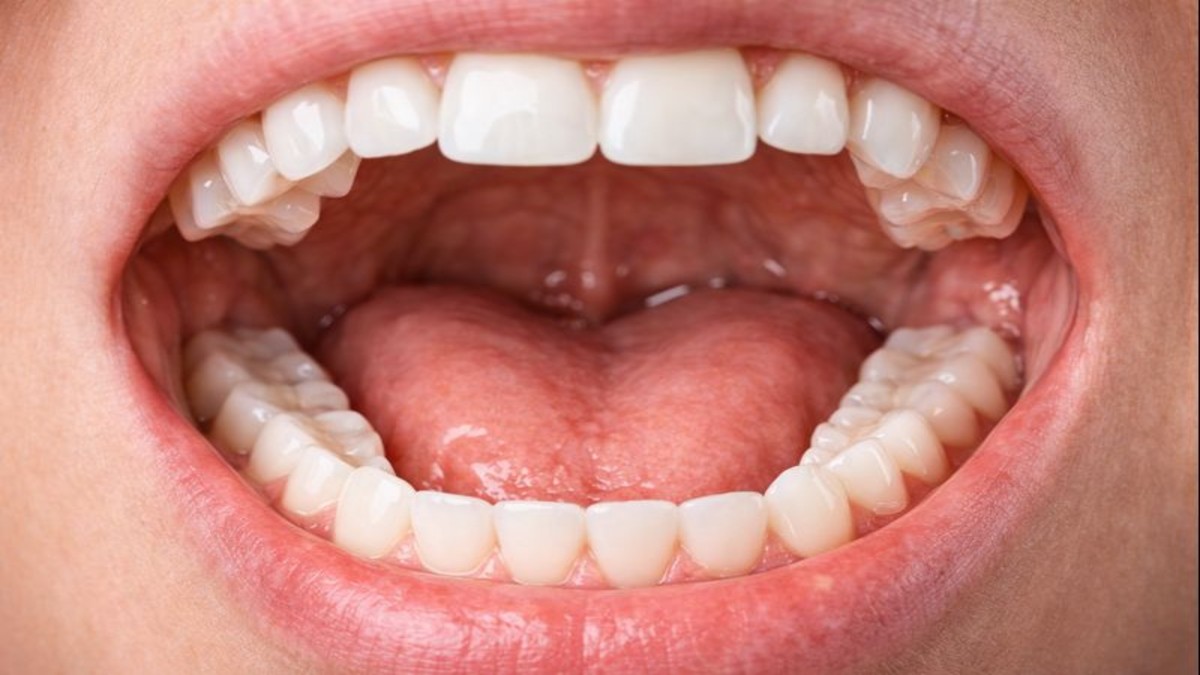
The oral vestibule is the space between the lips and cheeks on the outside and the teeth and gums on the inside. It forms the outer compartment of the oral cavity and is present in both the upper and lower jaws.
This area is distinct from the oral cavity proper, which lies inside the dental arches and contains the tongue and palate.
Anatomical Boundaries of the Oral Vestibule
The oral vestibule is defined by clear anatomical limits:
- Externally: Lips and cheeks
- Internally: Teeth and gingiva (gums)
- Superiorly: Upper labial and buccal mucosa
- Inferiorly: Lower labial and buccal mucosa
These boundaries allow the vestibule to act as a flexible space that adapts during facial and jaw movements.
Structure and Lining
The oral vestibule is lined with non-keratinized stratified squamous epithelium, which is soft, moist, and flexible. This lining protects underlying tissues while allowing easy movement during speech and chewing.
Labial Mucosa
This portion lines the inner surface of the lips. It is smooth, elastic, and richly supplied with blood vessels.
Buccal Mucosa
This part lines the inner cheeks. It contains minor salivary glands that help keep the mouth moist.
Important Anatomical Features
Several key structures are found within the oral vestibule:
Labial Frenulum
A fold of tissue connecting the inner lip to the gum. It helps stabilize lip movement.
Buccal Frenulum
Similar to the labial frenulum, it connects the cheek to the gum area.
Parotid Duct Opening
The duct of the parotid salivary gland opens into the vestibule near the upper second molar, releasing saliva essential for digestion and lubrication.
Functions of the Oral Vestibule
Facilitates Mastication
The vestibule helps position food between the teeth during chewing, ensuring efficient breakdown of food.
Aids in Speech
Movement of lips and cheeks within the vestibule contributes to articulation and sound formation.
Maintains Oral Hygiene
Saliva secreted into the vestibule washes away food particles and helps neutralize acids.
Supports Facial Expression
The flexibility of the vestibule allows dynamic facial movements such as smiling and frowning.
Oral Vestibule and Saliva Flow
Saliva enters the oral vestibule through ducts of major and minor salivary glands. This moisture:
- Prevents dryness
- Protects against infection
- Aids digestion
- Enhances taste perception
A healthy vestibule ensures smooth saliva distribution throughout the mouth.
Development of the Oral Vestibule
During embryonic development, the oral vestibule forms as a result of the separation of lips and cheeks from the developing gums and teeth. Proper development is crucial for normal oral function and facial structure.
Clinical Importance of the Oral Vestibule
The oral vestibule is frequently examined in dental and medical checkups because many conditions appear here first.
Dental Procedures
Dentists access the vestibule for injections, impressions, and denture placement.
Prosthodontics
The depth and shape of the vestibule influence the stability of dentures.
Orthodontics
Braces and aligners interact with vestibular tissues, making comfort and hygiene essential.
Common Conditions Affecting the Oral Vestibule
Oral Ulcers
Painful sores can form due to trauma, stress, or nutritional deficiencies.
Infections
Bacterial, viral, or fungal infections may cause redness, swelling, or discomfort.
Inflammation
Irritation from sharp teeth, dental appliances, or habits like cheek biting can inflame the vestibule.
Mucoceles
These fluid-filled cysts form when minor salivary glands become blocked.
Oral Vestibule in Dental Anesthesia
Local anesthesia is often injected into the vestibule to numb teeth and surrounding tissues. This approach allows effective pain control during dental procedures.
Conclusion
The oral vestibule may seem like a simple space, but it plays a vital role in oral function, dental health, and facial expression. From guiding food during chewing to supporting speech and hygiene, it acts as a functional bridge within the mouth. Maintaining a healthy oral vestibule is essential for overall oral well-being and comfort.
FAQs
1. What is the oral vestibule?
It is the space between the lips and cheeks and the teeth and gums.
2. Is the oral vestibule part of the oral cavity?
Yes, it is the outer compartment of the oral cavity.
3. Why is the oral vestibule important in dentistry?
It is used for anesthesia, denture fitting, and clinical examination.
4. Can infections occur in the oral vestibule?
Yes, ulcers, infections, and inflammation commonly occur there.
5. How can I keep my oral vestibule healthy?
Maintain good oral hygiene, stay hydrated, and visit.

How to Start a Freelance Business: Simple Steps That Turn Your Skills Into Income

Small Business Loyalty Program Ideas: Simple Ways That Keep Customers Coming Back

Small Business Budget Spreadsheet: A Simple Guide That Keeps Your Money on Track

LinkedIn Business Page Setup: Simple Steps for Small Business

Cold Email Examples That Get Replies: Simple Templates for Small Business

How to Write a Follow Up Email After a Meeting: Simple Steps That Keep the Conversation Going

How to Word a Business Proposal That Wins Clients: Simple Steps for Small Business

How to Write an About Us Page for Small Business: Simple Steps That Build Trust

How to Ask for a Testimonial from a Client: Simple Steps That Actually Work

How to Choose a Domain Name for Your Business: Simple Steps That Help Customers Find You

How to Repurpose Blog Content for Social Media Without Starting From Scratch
How to Handle Customer Complaints in a Small Business: A Calm, Practical Guide That Turns Problems Into Loyalty

How to Create a Small Business Content Marketing Plan That Actually Gets Results

How to Create a Content Calendar for a Small Business

How to Set SMART Goals for a Small Business: A Practical Guide That Actually Works

How to Set Up a Simple Referral Program for Your Small Business: A Beginner’s Guide That Brings in New Customers

How to Write a Professional Business Email That Gets a Reply

How to Write a Business Proposal for Your Small Business: A Simple Guide That Wins Clients

How to Write a Simple Business Plan for Your Small Business: A Practical Guide That Gets You Started

How to Price Your Services as a Small Business: A Simple Guide That Protects Your Profit

How to Start a Freelance Business: Simple Steps That Turn Your Skills Into Income

Small Business Loyalty Program Ideas: Simple Ways That Keep Customers Coming Back

Small Business Budget Spreadsheet: A Simple Guide That Keeps Your Money on Track

LinkedIn Business Page Setup: Simple Steps for Small Business

Cold Email Examples That Get Replies: Simple Templates for Small Business

How to Write a Follow Up Email After a Meeting: Simple Steps That Keep the Conversation Going

How to Word a Business Proposal That Wins Clients: Simple Steps for Small Business

How to Write an About Us Page for Small Business: Simple Steps That Build Trust

How to Ask for a Testimonial from a Client: Simple Steps That Actually Work

How to Choose a Domain Name for Your Business: Simple Steps That Help Customers Find You
Trending
entertainment1 year agoPYT Telegram: A Complete Guide to Understanding, Using, and Maximizing It
entertainment1 year agoOnionFlix: Everything You Need to Know About This Streaming Website
education1 year agoHow to Become a Software Engineer: A Complete Guide
others1 year agoNook vs Kindle: Which E-Reader Is Right for You?