animal
Orinoco Crocodile – The Giant Guardian of South American Rivers
Published
10 months agoon
By
Hamari Web
Table of Contents
ToggleIntroduction to the Orinoco Crocodile
The Orinoco crocodile is one of nature’s true giants, a living relic from prehistoric times. Found only in parts of Venezuela and Colombia, this massive reptile commands respect and curiosity. Sadly, it’s also one of the most endangered crocodilians on Earth, making its story both fascinating and urgent.
Scientific Classification and Taxonomy
Scientific Name and Family
The Orinoco crocodile is scientifically known as Crocodylus intermedius. It belongs to the family Crocodylidae, which includes crocodiles, alligators, and caimans.
Evolutionary Background
This species has ancient roots, tracing its lineage back millions of years. Its physical form has changed very little over time, earning it the nickname “living fossil.”
Physical Characteristics
Size, Weight, and Coloration
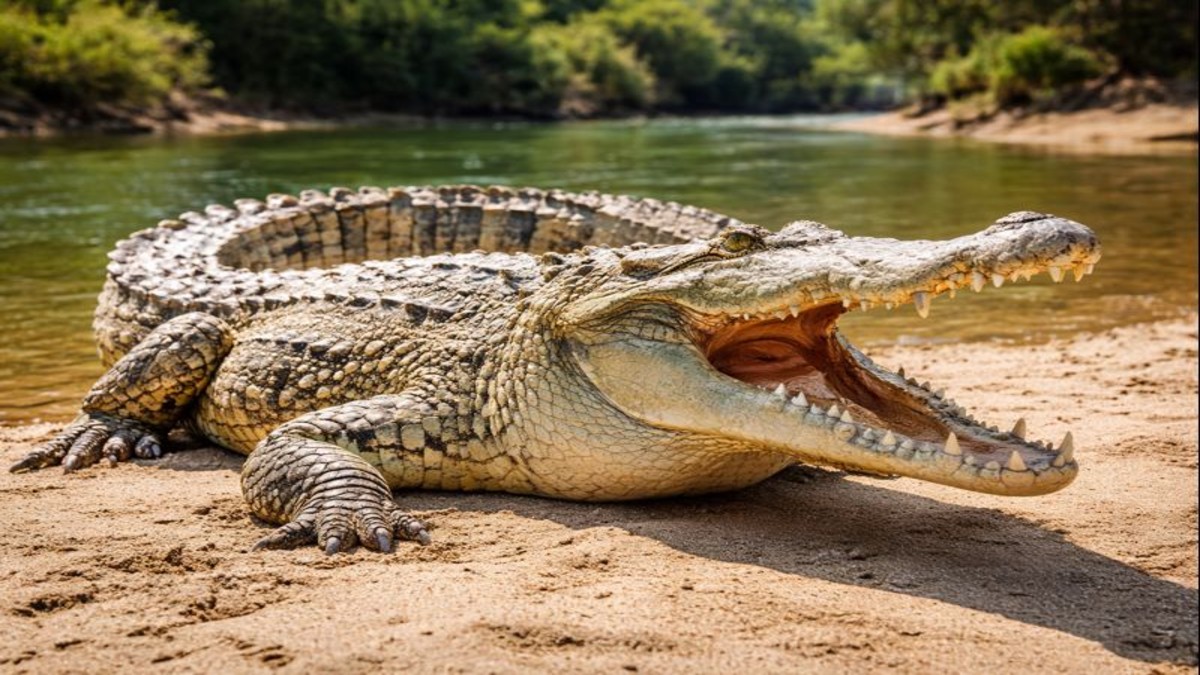
The Orinoco crocodile is among the largest crocodiles in the world. Adult males can grow up to 6 meters (20 feet) long. Its skin is pale olive or yellowish-gray, helping it blend perfectly into muddy riverbanks.
Unique Physical Adaptations
Long, powerful jaws, sharp teeth, and a muscular tail make this crocodile a top predator. Its strong limbs allow it to move surprisingly well on land for such a large reptile.
Natural Habitat and Distribution
Orinoco River Basin
As the name suggests, this crocodile lives in the Orinoco River basin. Slow-moving rivers, seasonal wetlands, and sandy riverbanks provide ideal conditions.
Preferred Environmental Conditions
Warm temperatures, abundant prey, and isolated nesting areas are essential for survival.
Behavior and Lifestyle
Daily Activity Patterns
Orinoco crocodiles are mostly diurnal, basking in the sun during the day to regulate body temperature.
Territorial Nature
They are highly territorial, especially during the breeding season, and will aggressively defend their space.
Diet and Hunting Techniques
Juvenile vs Adult Diet
Young crocodiles feed on insects, crustaceans, and small fish. Adults prefer larger prey such as fish, birds, turtles, and mammals.
Hunting Strategies
Using stealth and patience, the Orinoco crocodile ambushes prey with lightning-fast strikes. Think of it as nature’s ultimate surprise attack expert.
Reproduction and Life Cycle
Nesting and Egg Laying
Females dig nests in sandy riverbanks and lay up to 60 eggs. Temperature plays a crucial role in determining the sex of the hatchlings.
Parental Care
Unlike many reptiles, mothers guard their nests and help hatchlings reach the water safely.
Role in the Ecosystem
As an apex predator, the Orinoco crocodile helps maintain ecological balance by controlling prey populations and supporting healthy river systems.
Relationship with Humans
Historically hunted for its valuable skin, this crocodile has suffered greatly from human activity. Today, conservationists are working to rebuild trust and coexistence.
Threats and Conservation Status
Why the Orinoco Crocodile Is Critically Endangered
Habitat loss, illegal hunting, and low reproduction rates have pushed this species to the brink of extinction.
Conservation Efforts
Breeding programs, habitat protection, and legal enforcement are offering a glimmer of hope for survival.
Cultural and Historical Significance
Local legends often portray the Orinoco crocodile as a river guardian, symbolizing strength and endurance.
Interesting Facts About the Orinoco Crocodile
- One of the rarest crocodiles in the world
- Can live over 70 years
- Has one of the strongest bites in the animal kingdom
Future Outlook for the Species
With continued conservation efforts and public awareness, there’s hope that this magnificent reptile can recover.
Conclusion
The Orinoco crocodile is more than just a predator—it’s a vital part of South America’s natural heritage. Protecting it means preserving entire ecosystems and honoring a species that has survived since prehistoric times.
FAQs
1. Where does the Orinoco crocodile live?
It lives in the Orinoco River basin in Venezuela and Colombia.
2. How big can an Orinoco crocodile grow?
Some individuals can reach up to 6 meters in length.
3. Why is the Orinoco crocodile endangered?
Due to habitat destruction, hunting, and low reproduction rates.
4. What does the Orinoco crocodile eat?
Fish, birds, reptiles, and mammals.
5. Are Orinoco crocodiles dangerous to humans?
They can be dangerous if threatened, but attacks are extremely rare.
Please don’t forget to leave a review.

How to Start a Freelance Business: Simple Steps That Turn Your Skills Into Income

Small Business Loyalty Program Ideas: Simple Ways That Keep Customers Coming Back

Small Business Budget Spreadsheet: A Simple Guide That Keeps Your Money on Track

LinkedIn Business Page Setup: Simple Steps for Small Business

Cold Email Examples That Get Replies: Simple Templates for Small Business

How to Write a Follow Up Email After a Meeting: Simple Steps That Keep the Conversation Going

How to Word a Business Proposal That Wins Clients: Simple Steps for Small Business

How to Write an About Us Page for Small Business: Simple Steps That Build Trust

How to Ask for a Testimonial from a Client: Simple Steps That Actually Work

How to Choose a Domain Name for Your Business: Simple Steps That Help Customers Find You

How to Repurpose Blog Content for Social Media Without Starting From Scratch
How to Handle Customer Complaints in a Small Business: A Calm, Practical Guide That Turns Problems Into Loyalty

How to Create a Small Business Content Marketing Plan That Actually Gets Results

How to Create a Content Calendar for a Small Business

How to Set SMART Goals for a Small Business: A Practical Guide That Actually Works

How to Set Up a Simple Referral Program for Your Small Business: A Beginner’s Guide That Brings in New Customers

How to Write a Professional Business Email That Gets a Reply

How to Write a Business Proposal for Your Small Business: A Simple Guide That Wins Clients

How to Write a Simple Business Plan for Your Small Business: A Practical Guide That Gets You Started

How to Price Your Services as a Small Business: A Simple Guide That Protects Your Profit

How to Start a Freelance Business: Simple Steps That Turn Your Skills Into Income

Small Business Loyalty Program Ideas: Simple Ways That Keep Customers Coming Back

Small Business Budget Spreadsheet: A Simple Guide That Keeps Your Money on Track

LinkedIn Business Page Setup: Simple Steps for Small Business

Cold Email Examples That Get Replies: Simple Templates for Small Business

How to Write a Follow Up Email After a Meeting: Simple Steps That Keep the Conversation Going

How to Word a Business Proposal That Wins Clients: Simple Steps for Small Business

How to Write an About Us Page for Small Business: Simple Steps That Build Trust

How to Ask for a Testimonial from a Client: Simple Steps That Actually Work

How to Choose a Domain Name for Your Business: Simple Steps That Help Customers Find You
Trending
entertainment1 year agoPYT Telegram: A Complete Guide to Understanding, Using, and Maximizing It
entertainment1 year agoOnionFlix: Everything You Need to Know About This Streaming Website
education1 year agoHow to Become a Software Engineer: A Complete Guide
others1 year agoNook vs Kindle: Which E-Reader Is Right for You?