others
Opuntia Plant: The Prickly Beauty of the Desert
Published
1 year agoon
By
Hamari Web
Table of Contents
ToggleIntroduction
Among the resilient wonders of nature, the Opuntia plant stands tall figuratively and literally as a symbol of survival and adaptability. Commonly known as the prickly pear cactus, this desert dweller thrives in some of the harshest environments on Earth. From its distinctive flat pads to its vibrant edible fruits, Opuntia has captured the attention of botanists, farmers, and culinary enthusiasts alike.
What Is the Opuntia Plant?
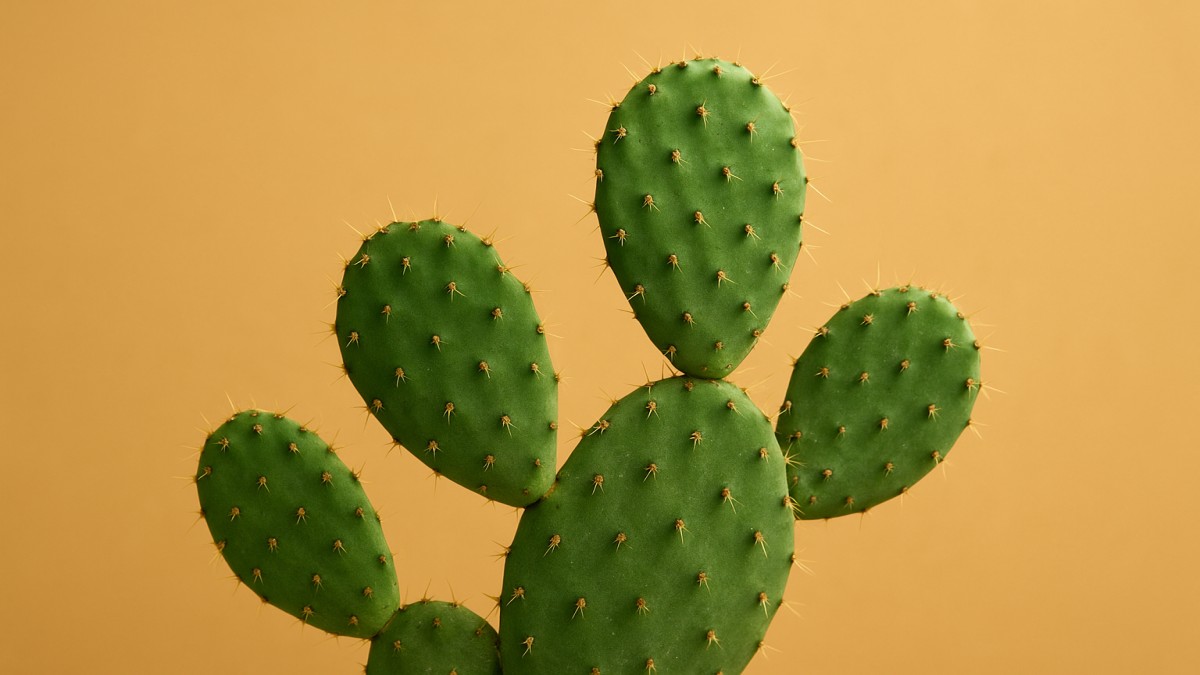
The Opuntia plant belongs to the Cactaceae family and includes more than 200 species. It is primarily known for its flat, rounded segments called cladodes or pads, which store water and help the plant survive arid conditions. Unlike typical leafy plants, Opuntia has evolved to conserve water and resist extreme heat.
Common Names of Opuntia
Depending on where you are in the world, Opuntia may be called by several names such as:
- Prickly Pear
- Nopal (in Mexico)
- Indian Fig
- Cactus Pear
These names reflect its diverse cultural and regional importance.
Botanical Classification
- Kingdom: Plantae
- Family: Cactaceae
- Genus: Opuntia
- Common Species: Opuntia ficus-indica, Opuntia microdasys
Origin and Natural Habitat
Native to the Americas, Opuntia is widely found in Mexico, the southwestern United States, and parts of South America. However, due to its adaptability, it has spread globally and can now be found in Africa, the Mediterranean region, and even Australia.
Physical Characteristics of Opuntia
Shape and Structure
Opuntia plants have a distinctive appearance with flattened green pads that act as photosynthetic organs. These pads often grow in stacks or clusters.
Spines and Glochids
Each pad is covered with sharp spines and tiny hair-like glochids, which can irritate the skin. These serve as defense mechanisms against herbivores.
Flowers and Fruits
In spring and early summer, Opuntia produces vibrant yellow, red, or orange flowers, followed by colorful edible fruits known as tunas.
Popular Varieties of Opuntia
Opuntia ficus-indica
The most commonly cultivated species, known for its large, sweet fruits and edible pads used in cooking.
Opuntia microdasys
Also called Bunny Ear Cactus, this ornamental species is recognized by its small yellow glochids instead of long spines.
Opuntia humifusa
A cold-hardy variety that grows well even in temperate climates, making it popular in North America.
How to Grow Opuntia
Soil Requirements
Opuntia prefers well-drained sandy or rocky soil. Avoid clay-heavy or waterlogged soils that may cause root rot.
Sunlight and Temperature
Full sunlight is essential. Opuntia thrives in hot, dry climates, but certain species tolerate frost.
Watering Needs
Water sparingly. Allow the soil to dry completely before watering again. Overwatering is a common cause of failure.
Propagation Methods
Propagation is simple—just cut a pad, let it callous over, and plant it in dry soil. Roots usually appear within a few weeks.
Caring for Opuntia
Fertilization Tips
A light feeding of cactus fertilizer once or twice a year is enough.
Pruning and Maintenance
Trim dead or damaged pads to maintain shape and promote new growth.
Pest and Disease Management
Watch for mealybugs and scale insects. Neem oil or mild insecticidal soap works effectively.
Uses of Opuntia
Culinary Uses
The pads (nopales) are a staple in Mexican cuisine, often grilled, boiled, or added to salads. The fruits (tunas) are enjoyed raw, juiced, or made into jams.
Medicinal Benefits
Opuntia is rich in antioxidants, fiber, and vitamins. It’s believed to help with:
- Lowering blood sugar levels
- Reducing cholesterol
- Aiding digestion
- Supporting skin health
Ecological Importance
Opuntia helps prevent soil erosion, acts as a forage plant, and provides habitat for wildlife.
Nutritional Value of Opuntia Fruits
| Nutrient | Per 100g (approx.) |
|---|---|
| Calories | 41 |
| Fiber | 3.6g |
| Vitamin C | 14 mg |
| Magnesium | 85 mg |
| Calcium | 56 mg |
These values make Opuntia a superfood of the desert.
Conclusion
The Opuntia plant is more than just a cactus it’s a symbol of life thriving against all odds. From culinary delights to ecological value, this resilient plant continues to prove that beauty and usefulness can indeed come with a few prickles.
FAQs
1. Can you eat Opuntia pads and fruits?
Yes! Both pads (nopales) and fruits (tunas) are edible and packed with nutrients.
2. How often should I water Opuntia?
Water once every two to three weeks in summer and once a month in winter.
3. Can Opuntia grow indoors?
Yes, as long as it receives plenty of sunlight and good air circulation.
4. Is Opuntia good for diabetes?
Studies suggest that it may help regulate blood sugar levels.
5. How long does an Opuntia plant live?
With proper care, an Opuntia can live 20 to 30 years or more.

How to Start a Pet Grooming Business: Simple Steps That Turn Your Love of Animals Into Income

How to Start a Car Detailing Business: Simple Steps That Turn Your Skills Into Income

How to Start a Pressure Washing Business: A Simple Guide That Gets You Your First Customers

How to Start a Lawn Mowing Business: Simple Steps That Turn Mowing Into Income

How to Start a Dog Walking Business: Simple Steps That Turn Walks Into Income

How to Start a House Cleaning Business: Simple Steps That Win Your First Clients

How to Pay Employees in Your Small Business: Simple Steps That Get It Right

How to Do Market Research for Small Business: Simple Steps That Find Your Customers

How to Start a Tutoring Business: Simple Steps That Turn Your Knowledge Into Income

How to Create a Digital Product to Sell: A Simple Guide for Small Business Beginners

How to Repurpose Blog Content for Social Media Without Starting From Scratch

How to Write a Simple Business Plan for Your Small Business: A Practical Guide That Gets You Started

How to Create a Small Business Content Marketing Plan That Actually Gets Results
How to Handle Customer Complaints in a Small Business: A Calm, Practical Guide That Turns Problems Into Loyalty

How to Get More Clients for Your Business: Simple Ways That Actually Work

How to Write a Professional Business Email That Gets a Reply

How to Create a Content Calendar for a Small Business

How to Set SMART Goals for a Small Business: A Practical Guide That Actually Works

How to Set Up a Simple Referral Program for Your Small Business: A Beginner’s Guide That Brings in New Customers

How to Write a Business Proposal for Your Small Business: A Simple Guide That Wins Clients

How to Start a Pet Grooming Business: Simple Steps That Turn Your Love of Animals Into Income

How to Start a Car Detailing Business: Simple Steps That Turn Your Skills Into Income

How to Start a Pressure Washing Business: A Simple Guide That Gets You Your First Customers

How to Start a Lawn Mowing Business: Simple Steps That Turn Mowing Into Income

How to Start a Dog Walking Business: Simple Steps That Turn Walks Into Income

How to Start a House Cleaning Business: Simple Steps That Win Your First Clients

How to Pay Employees in Your Small Business: Simple Steps That Get It Right

How to Do Market Research for Small Business: Simple Steps That Find Your Customers

How to Start a Tutoring Business: Simple Steps That Turn Your Knowledge Into Income

How to Create a Digital Product to Sell: A Simple Guide for Small Business Beginners
Trending
entertainment1 year agoPYT Telegram: A Complete Guide to Understanding, Using, and Maximizing It
entertainment1 year agoOnionFlix: Everything You Need to Know About This Streaming Website
education1 year agoHow to Become a Software Engineer: A Complete Guide
others1 year agoNook vs Kindle: Which E-Reader Is Right for You?