food
Radicchio: The Complete Guide to This Bold and Beautiful Italian Chicory

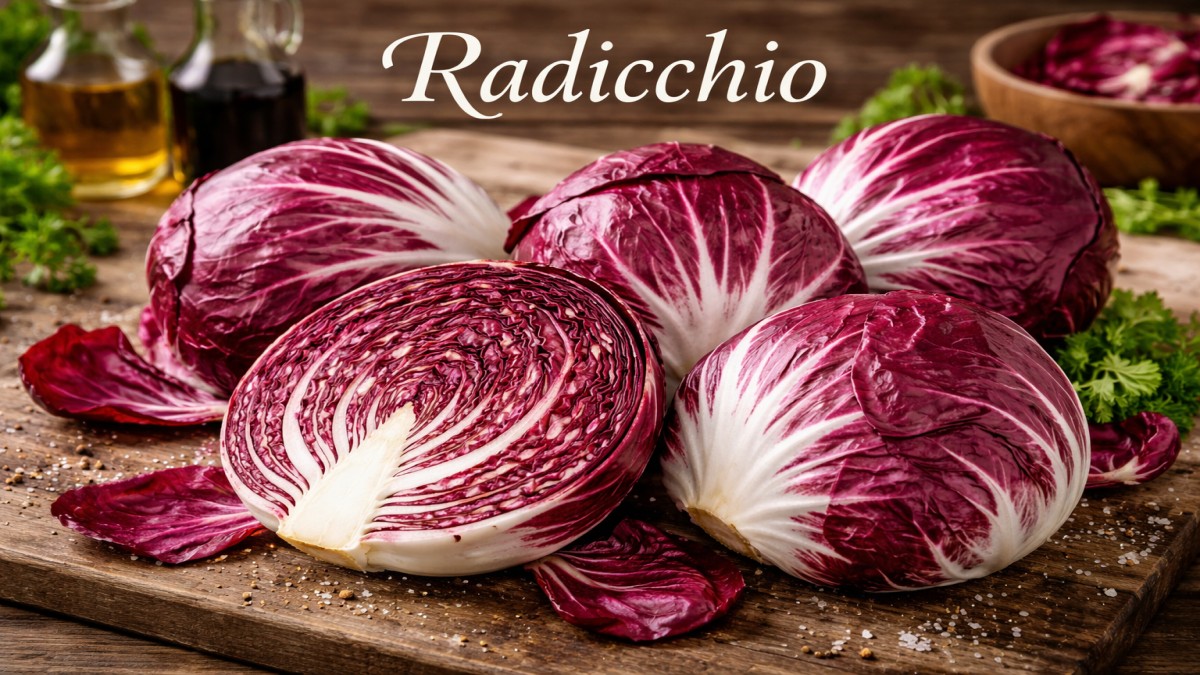
Radicchio is one of those vegetables that stops you in your tracks. With its deep purple leaves and bright white veins, it looks more like a flower than something you’d toss into a salad. But beyond its dramatic appearance lies a bold, slightly bitter flavor that chefs and home cooks alike have come to love.
If you’ve ever wondered what radicchio is, how to cook it, or whether it’s actually good for you, you’re in the right place. Let’s explore everything you need to know about this vibrant Italian chicory.
What Is Radicchio?
Radicchio (pronounced rah-DEE-kee-oh) is a leafy vegetable belonging to the chicory family. It’s known for its striking burgundy or purple leaves and crisp texture. While it’s often mistaken for red cabbage, radicchio has a more delicate leaf structure and a distinctly bitter taste.
It’s widely used in Italian cuisine, particularly in salads, risottos, and grilled dishes. Unlike lettuce, radicchio doesn’t wilt easily when cooked, making it incredibly versatile.
The Origin and History of Radicchio
Radicchio has deep roots in Italy, where it has been cultivated for centuries. It is especially popular in the Veneto region, where specific varieties are grown and protected by geographical indications.
Traditional cultivation methods involve a process called “forcing,” which enhances its color and flavor. Over time, radicchio spread beyond Italy and is now grown in many parts of Europe and North America.
Types of Radicchio
Not all radicchio looks the same. Here are the most common varieties:
1. Radicchio di Chioggia
The most common type. Round like a cabbage with tightly packed purple leaves and white ribs.
2. Radicchio di Treviso
Longer and more leaf-like. It resembles a large red endive and has a milder bitterness.
3. Radicchio di Castelfranco
Speckled cream and purple leaves. It has a softer, slightly sweeter taste.
4. Radicchio di Verona
Smaller and more compact with a slightly stronger bitterness.
Each type brings its own personality to the plate.
What Does Radicchio Taste Like?
Radicchio is known for its bitterness. But don’t let that scare you. When balanced correctly, that bitterness adds depth and sophistication to dishes.
Raw radicchio tastes crisp and peppery. When grilled or roasted, its bitterness mellows, and subtle sweetness emerges. Think of it like dark chocolate—intense at first, but complex and rewarding.
Nutritional Benefits of Radicchio
Radicchio isn’t just beautiful—it’s packed with nutrients.
Rich in Antioxidants
Its deep purple color comes from anthocyanins, powerful antioxidants that help fight inflammation.
High in Fiber
Supports digestion and gut health.
Low in Calories
Great for weight management.
Good Source of Vitamins
Contains vitamin K, vitamin C, and small amounts of B vitamins.
Adding radicchio to your meals boosts both flavor and nutrition.
How to Choose Fresh Radicchio
When shopping, look for:
- Firm, compact heads
- Bright, vibrant color
- Crisp leaves
- Minimal browning or wilting
Heavier heads usually indicate freshness and moisture.
How to Store Radicchio
Wrap it loosely in a paper towel and place it in a perforated plastic bag in the refrigerator. It can last up to two weeks if stored properly.
Avoid washing it until you’re ready to use it.
How to Prepare Radicchio
Preparation is simple:
- Remove outer damaged leaves.
- Rinse under cold water.
- Pat dry thoroughly.
- Slice or chop depending on your recipe.
For less bitterness, soak sliced radicchio in cold water for 20–30 minutes.
Cooking Methods for Radicchio
Radicchio is incredibly versatile. Here’s how you can use it:
1. Raw in Salads
Combine with sweet fruits like oranges or pears to balance bitterness.
2. Grilled
Brush with olive oil and grill until slightly charred. The heat softens its sharp flavor.
3. Roasted
Roasting caramelizes natural sugars and adds depth.
4. Sautéed
Quickly cook with garlic and olive oil for a simple side dish.
5. In Risotto
A classic Italian preparation that blends creamy rice with radicchio’s bold taste.
Conclusion
Radicchio is more than just a colorful leaf—it’s a versatile, nutrient-rich vegetable that brings bold flavor and visual appeal to countless dishes. Whether eaten raw in salads or grilled to perfection, its signature bitterness adds complexity that other greens simply can’t match.
If you’re looking to expand your culinary horizons, radicchio is a delicious place to start.
FAQs About Radicchio
1. Is radicchio healthy?
Yes. It’s low in calories, high in fiber, and packed with antioxidants.
2. Can you eat radicchio raw?
Absolutely. It’s commonly used raw in salads.
3. How do you reduce radicchio’s bitterness?
Soak it in cold water before using or cook it to mellow the flavor.
4. Is radicchio the same as red cabbage?
No. While similar in appearance, radicchio is more bitter and belongs to the chicory family.
5. Can radicchio be grilled?
Yes. Grilling enhances sweetness and reduces bitterness.

Understanding Pyrometers: The Ultimate Guide to High-Temperature Measurement

Garlic Chives – The Flavorful Herb You Need in Your Kitchen

Radicchio: The Complete Guide to This Bold and Beautiful Italian Chicory

The Complete Guide to Confectionery Coating: Everything You Need to Know

Frankincense Oil: Benefits, Uses, Safety, and Everything You Need to Know

Vaginal Dryness Natural Remedies – Causes, Treatments & Prevention

Brownwood News: Your Window into Texas Life

Abs Training with Dumbbells: Build a Strong, Defined Core Faster

Butternut Squash Nutrition: Health Benefits, Calories, and How to Eat It

Minted Greens: A Fresh Take on Style and Sustainability

Brainrot Memes: The Unhinged Humor of the Internet Generation

Leonardo DiCaprio Meme: How The Internet Turned An Oscar-Winning Actor Into A Meme Icon

Incestflox: Exploring Controversial Narratives and Online Discourse

Cozey: Revolutionizing Home Comfort One Sofa at a Time

Snifies: Redefining the World of Casual Connections and LGBTQ+ Social Discovery

Libélula: The Enchanting Dragonfly and Its Symbolic Power

Smut Book Meaning: Everything You Need to Know About This Steamy Genre

Sarkari Network: Everything You Need to Know

WJBD News: Keeping South Central Illinois Informed and Connected

Zoology Project Topics: Creative Ideas & FAQs for Students
Understanding Pyrometers: The Ultimate Guide to High-Temperature Measurement
Garlic Chives – The Flavorful Herb You Need in Your Kitchen
Radicchio: The Complete Guide to This Bold and Beautiful Italian Chicory
The Complete Guide to Confectionery Coating: Everything You Need to Know
Frankincense Oil: Benefits, Uses, Safety, and Everything You Need to Know
Vaginal Dryness Natural Remedies – Causes, Treatments & Prevention
Brownwood News: Your Window into Texas Life
Abs Training with Dumbbells: Build a Strong, Defined Core Faster
Butternut Squash Nutrition: Health Benefits, Calories, and How to Eat It
Minted Greens: A Fresh Take on Style and Sustainability

 entertainment6 months ago
PYT Telegram: A Complete Guide to Understanding, Using, and Maximizing It

 entertainment6 months ago
OnionFlix: Everything You Need to Know About This Streaming Website
- others5 months ago
Nook vs Kindle: Which E-Reader Is Right for You?
- gaming6 months ago
Melisandre: The Enigmatic Priestess of Game of Thrones