food
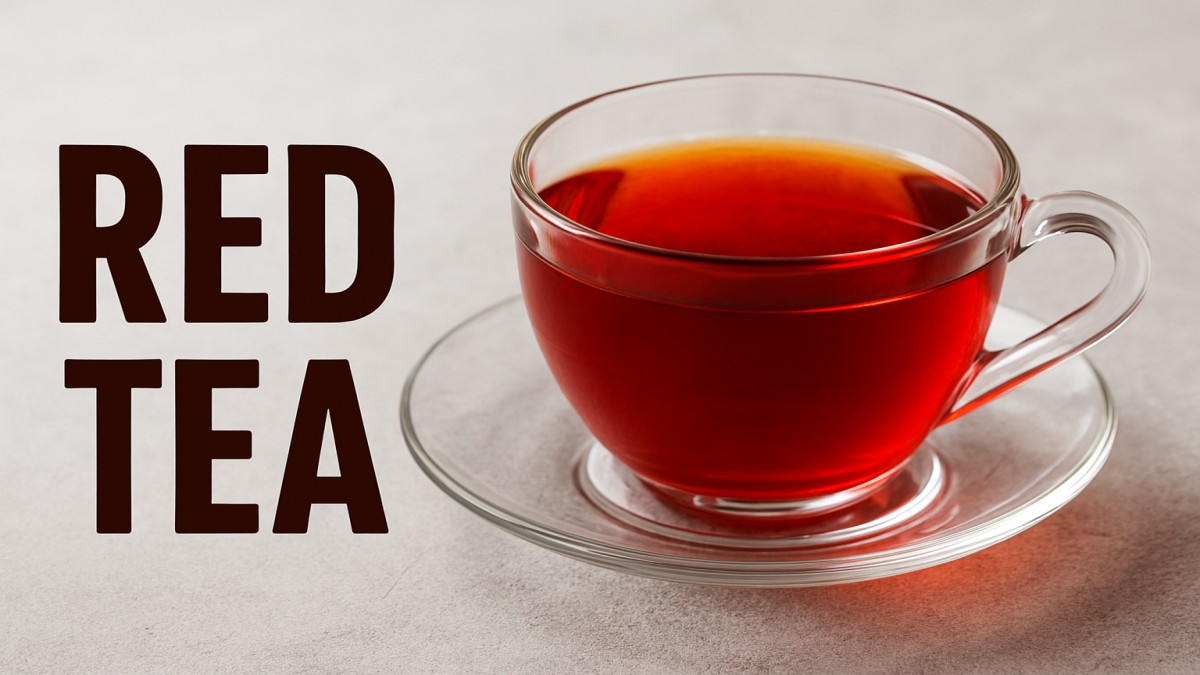
Red Tea: The Hidden Gem of Wellness and Flavor
Published
1 year agoon
By
Hamari Web
Table of Contents
ToggleIntroduction
Red tea, often known as Rooibos, is a naturally caffeine-free herbal tea that has captivated tea lovers worldwide. Originating from South Africa, this reddish-brown brew has gained fame for its rich flavor, deep color, and incredible health benefits. But did you know that “red tea” can also refer to several varieties like Pu-erh or Hibiscus tea? Let’s dive into the world of red tea where wellness meets indulgence.
History and Origin of Red Tea
The African Roots: Rooibos Tea
Red tea’s journey began in the Cederberg Mountains of South Africa, where indigenous people used the leaves of the Aspalathus linearis plant for centuries. The plant’s fine, needle-like leaves were traditionally fermented under the sun, creating the distinct red hue and smooth taste we know today.
Red Tea vs. Other Teas
Unlike black or green tea, red tea doesn’t come from the Camellia sinensis plant. It’s completely caffeine-free and rich in natural sweetness, making it an excellent alternative for those looking to reduce their caffeine intake.
Different Types of Red Tea
Rooibos Tea
The most popular red tea, rooibos, is earthy, nutty, and slightly sweet. It’s known for its calming and soothing properties.
Hibiscus Tea
Made from dried hibiscus petals, this tea is tart, fruity, and vibrant red — a powerhouse of vitamin C.
Pu-erh Tea
Technically a fermented Chinese black tea, Pu-erh turns reddish-brown when brewed. It’s valued for aiding digestion and supporting heart health.
Nutritional Profile of Red Tea
Red tea may be light in calories, but it’s loaded with nutrients like:
- Iron, magnesium, zinc, and calcium
- Vitamin C
- Powerful antioxidants like aspalathin and quercetin
These compounds help reduce oxidative stress, keeping your body strong and resilient.
Health Benefits of Red Tea
Improves Heart Health
Red tea supports healthy blood circulation and reduces “bad” LDL cholesterol. Its antioxidants help relax blood vessels and improve blood flow.
Supports Digestion
A cup after meals aids digestion and relieves bloating or cramps — perfect for those with sensitive stomachs.
Boosts Immunity
Thanks to its high vitamin and antioxidant content, red tea strengthens the immune system, protecting you from colds and infections.
Promotes Skin Health
Regular consumption can improve skin elasticity and glow. Some even use red tea in face masks for its anti-inflammatory properties.
Helps with Weight Management
Red tea naturally boosts metabolism and reduces fat storage. It’s often included in detox and slimming teas.
Red Tea and Weight Loss
Red tea aids in weight management by balancing blood sugar levels and reducing appetite. The polyphenols in rooibos inhibit fat cell formation, making it a gentle yet effective part of a healthy weight-loss plan.
Antioxidants in Red Tea
Antioxidants like quercetin and aspalathin act as your body’s natural defense system. They neutralize harmful free radicals, helping slow down aging and reducing the risk of chronic diseases.
Red Tea for Skin and Beauty
Want glowing skin without expensive products? Try red tea!
Its natural anti-inflammatory and antimicrobial properties soothe acne and eczema. Brewed tea can even be used as a facial toner or hair rinse for extra shine.
Caffeine Content: A Calm Alternative
If coffee gives you the jitters, red tea is your best friend. It’s completely caffeine-free, allowing you to sip it all day — even before bed — without disturbing your sleep.
How to Brew the Perfect Cup of Red Tea
Traditional Method
- Add 1 tsp of loose rooibos leaves to a cup.
- Pour boiling water over it.
- Let steep for 5–7 minutes.
- Enjoy it plain or with honey and lemon.
Iced Red Tea
Brew it strong, let it cool, then pour over ice with mint leaves for a refreshing summer drink.
Red Tea in Culinary Uses
Beyond beverages, red tea adds depth to desserts, smoothies, and sauces. Try rooibos-infused custards or hibiscus jelly for a delicious twist.
Conclusion
Red tea is more than a soothing beverage — it’s a lifestyle choice rooted in wellness, culture, and flavor. Whether you’re sipping rooibos for relaxation or hibiscus for vitality, red tea offers a natural way to nourish both body and mind. So, next time you crave comfort in a cup, skip the coffee — and go red instead!
FAQs
1. Is red tea the same as black tea?
No, red tea usually refers to rooibos or hibiscus tea, while black tea comes from the Camellia sinensis plant.
2. Can I drink red tea every day?
Absolutely! It’s caffeine-free and safe for daily consumption.
3. Does red tea help with sleep?
Yes, rooibos contains no caffeine and can promote relaxation.
4. Can I add milk to red tea?
Yes, especially with rooibos — it blends beautifully with milk and honey.
5. Is red tea suitable for kids?
Yes, red tea is gentle and naturally sweet, making it perfect for children too.

Sparks to Success: How to Start an Electrical Business

Cool Air, Warm Profits: How to Start an HVAC Business

Wrenches to Wealth: How to Start a Plumbing Business

Shingles to Success: How to Start a Roofing Business

Posts, Panels and Profit: How to Start a Fencing Business

First Cut, Full Crew: How to Start a Tree Trimming Business

Ladder to Lights: How to Start a Christmas Light Business

Clear Water, Steady Pay: Starting a Pool Cleaning Business

Green Thumb to Paycheck: Starting a Landscaping Business

Turn Winter Into Income: How to Start a Snow Removal Business

How to Repurpose Blog Content for Social Media Without Starting From Scratch

How to Write a Simple Business Plan for Your Small Business: A Practical Guide That Gets You Started

How to Get More Clients for Your Business: Simple Ways That Actually Work

How to Create a Small Business Content Marketing Plan That Actually Gets Results

How to Write a Professional Business Email That Gets a Reply

How to Create a Content Calendar for a Small Business

Branding Tips for Small Businesses: A Simple Guide That Makes You Memorable
How to Handle Customer Complaints in a Small Business: A Calm, Practical Guide That Turns Problems Into Loyalty

How to Set Up a Simple Referral Program for Your Small Business: A Beginner’s Guide That Brings in New Customers

How to Set SMART Goals for a Small Business: A Practical Guide That Actually Works

Sparks to Success: How to Start an Electrical Business

Cool Air, Warm Profits: How to Start an HVAC Business

Wrenches to Wealth: How to Start a Plumbing Business

Shingles to Success: How to Start a Roofing Business

Posts, Panels and Profit: How to Start a Fencing Business

First Cut, Full Crew: How to Start a Tree Trimming Business

Ladder to Lights: How to Start a Christmas Light Business

Clear Water, Steady Pay: Starting a Pool Cleaning Business

Green Thumb to Paycheck: Starting a Landscaping Business

Turn Winter Into Income: How to Start a Snow Removal Business
Trending
entertainment1 year agoPYT Telegram: A Complete Guide to Understanding, Using, and Maximizing It
entertainment1 year agoOnionFlix: Everything You Need to Know About This Streaming Website
education1 year agoHow to Become a Software Engineer: A Complete Guide
entertainment10 months agoBrainrot Memes: The Unhinged Humor of the Internet Generation