others
Riders and Horses: A Timeless Bond of Trust and Freedom

Introduction
Few relationships in the world embody as much grace, trust, and harmony as that between riders and horses. From ancient battlefields to modern racetracks and countryside trails, humans and horses have shared a connection that transcends words. Riding is more than sport or transportation it’s an art of communication between two beings who move as one.
In this article, we’ll explore the fascinating history, emotional connection, physical benefits, and cultural symbolism of the relationship between riders and horses — a partnership that has shaped human civilization and continues to inspire passion across generations.
A Historical Connection: Humans and Horses Through Time
The story of riders and horses dates back over 5,000 years, when humans first domesticated horses on the Central Asian steppes. Initially used for agriculture and transportation, horses soon became crucial in warfare, exploration, trade, and sports.
From the Mongol warriors and medieval knights to the cowboys of the American West, horses have been trusted allies in humanity’s greatest journeys. Over time, riding evolved from a survival skill into a symbol of prestige, adventure, and freedom.
The Rider-Horse Relationship: Built on Trust and Respect
At the core of riding lies a powerful bond based on mutual trust. A horse doesn’t obey out of fear — it responds to a rider’s calm confidence, patience, and clear communication.
A skilled rider understands that every movement, from a gentle tug on the reins to a shift in posture, sends a message. Similarly, horses read the emotions of their riders — sensing fear, excitement, or frustration.
This relationship teaches one essential lesson: you can’t force connection; you must earn it.
Types of Horse Riding Disciplines
The beauty of horse riding lies in its diversity. Around the world, riders express their bond with horses through different styles and disciplines.
1. English Riding
Focused on precision, elegance, and formality. Popular disciplines include:
- Dressage: A graceful “dance” between horse and rider.
- Show Jumping: Leaping over obstacles with power and poise.
- Eventing: A triathlon combining dressage, cross-country, and jumping.
2. Western Riding
Born from cowboy traditions, this style emphasizes comfort, control, and utility. Key events include:
- Barrel Racing – Speed and agility around tight turns.
- Roping – A working skill turned competitive sport.
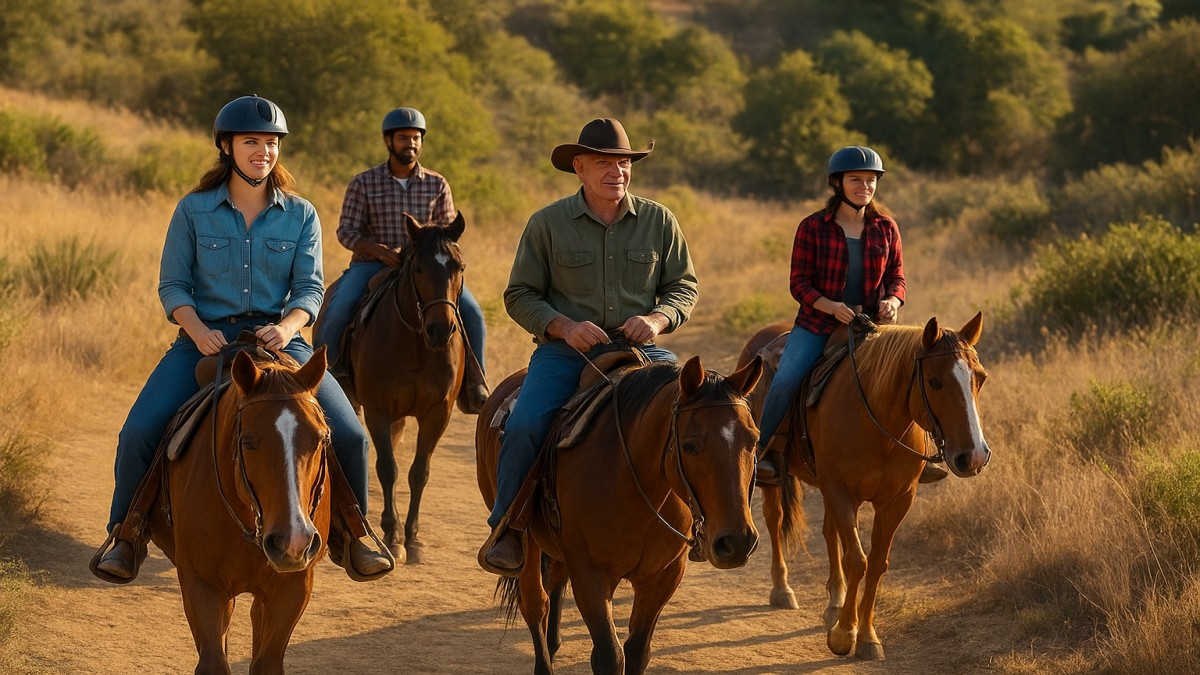
- Trail Riding – Relaxed journeys through natural landscapes.
3. Endurance Riding
Riders and horses test stamina and partnership over long distances, sometimes spanning 100 miles.
4. Therapeutic Riding
Also known as Equine-Assisted Therapy, this discipline helps people with disabilities improve balance, confidence, and emotional well-being through gentle interaction with horses.
The Art of Communication Between Rider and Horse
Communication is the invisible thread that unites horse and rider. It’s not about domination — it’s about connection.
- Body Language: Horses respond to subtle movements and balance shifts.
- Voice Commands: Tone and rhythm matter more than words themselves.
- Touch and Pressure: Gentle pressure from legs or reins guides direction.
- Energy and Emotion: Horses mirror the energy of their riders.
When this communication flows effortlessly, the result is breathtaking — a living, moving symphony of unity.
Emotional Benefits of Riding
Riding is not just a physical activity — it’s deeply emotional. Many riders describe the experience as therapeutic and freeing.
1. Stress Relief
The rhythmic motion of the horse and the peaceful outdoor setting help calm the mind.
2. Confidence Building
Controlling and caring for a 1,000-pound animal builds courage and self-esteem.
3. Emotional Healing
Horses sense human emotions and respond with empathy, offering comfort during difficult times.
4. Mindfulness and Focus
Riding requires full attention, grounding riders in the present moment.
Conclusion
The bond between riders and horses is one of humanity’s oldest and most profound relationships. It’s a partnership rooted in respect, patience, and understanding — a dance between instinct and intention.
Whether galloping across open fields, training for a show, or simply enjoying a quiet ride at sunset, every rider knows this truth: the horse is not just a companion, but a reflection of the human spirit — strong, graceful, and free.
FAQs About Riders and Horses
1. What makes the bond between rider and horse so special?
It’s built on trust, respect, and nonverbal communication — a deep emotional understanding.
2. Is horse riding good exercise?
Yes! It improves core strength, balance, coordination, and mental focus.
3. Can beginners learn to ride safely?
Absolutely. With proper guidance and safety equipment, anyone can start learning at their own pace.
4. How do horses communicate with riders?
Through body language, ear movement, breathing, and responsiveness to cues.
5. Are horses intelligent animals?
Very much so. Horses can recognize emotions, remember people, and learn complex tasks.

Consultative Selling Techniques: A Complete Guide to Building Customer Trust in 2026

Sales Objection Handling: A Complete Guide to Closing More Deals in 2026

Customer Closing Techniques: A Complete Guide to Converting Prospects into Buyers (2026)

Customer Conversion Process: A Complete Guide to Turning Visitors into Loyal Customers (2026)

Sales Funnel Examples: A Complete Guide to Converting More Customers (2026)

Lead Qualification Framework: A Complete Guide to Finding High-Quality Customers (2026)

Website Credibility Factors: A Complete Guide to Building Trust Online (2026)

Online Reputation Monitoring: A Complete Guide to Protecting Your Brand in 2026

Customer Testimonial Strategy: A Complete Guide to Building Trust and Increasing Sales (2026)

Business Storytelling Framework: A Complete Guide to Building Strong Brand Connections (2026)
Consultative Selling Techniques: A Complete Guide to Building Customer Trust in 2026
Sales Objection Handling: A Complete Guide to Closing More Deals in 2026
Customer Closing Techniques: A Complete Guide to Converting Prospects into Buyers (2026)
Customer Conversion Process: A Complete Guide to Turning Visitors into Loyal Customers (2026)
Sales Funnel Examples: A Complete Guide to Converting More Customers (2026)
Lead Qualification Framework: A Complete Guide to Finding High-Quality Customers (2026)
Website Credibility Factors: A Complete Guide to Building Trust Online (2026)
Online Reputation Monitoring: A Complete Guide to Protecting Your Brand in 2026
Customer Testimonial Strategy: A Complete Guide to Building Trust and Increasing Sales (2026)
Business Storytelling Framework: A Complete Guide to Building Strong Brand Connections (2026)

 entertainment1 year ago
PYT Telegram: A Complete Guide to Understanding, Using, and Maximizing It

 entertainment1 year ago
OnionFlix: Everything You Need to Know About This Streaming Website
- education1 year ago
How to Become a Software Engineer: A Complete Guide
- others12 months ago
Nook vs Kindle: Which E-Reader Is Right for You?