food
Shoyu Sauce – The Complete Guide to Japan’s Iconic Soy Sauce

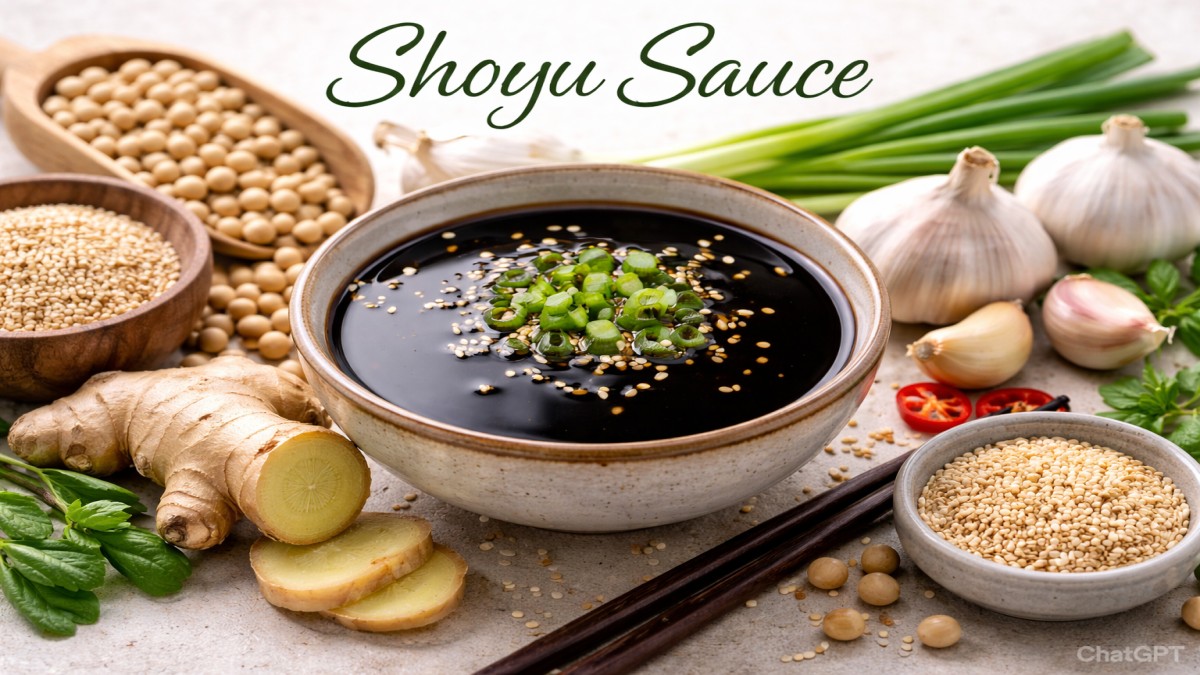
Introduction to Shoyu Sauce
If you’ve ever dipped sushi into a small dish of dark, savory liquid, chances are you’ve tasted shoyu sauce.
But here’s the thing—shoyu isn’t just “soy sauce.” It’s a carefully brewed, deeply layered condiment that carries centuries of tradition in every drop.
What Is Shoyu Sauce?
Shoyu is the Japanese version of soy sauce. It’s made from soybeans, wheat, salt, and water through a natural fermentation process.
The result? A balanced, slightly sweet, richly savory sauce packed with umami flavor.
Why Shoyu Is Different from Regular Soy Sauce
Not all soy sauces are created equal. Shoyu typically contains wheat, which gives it a smoother, more rounded taste compared to some other varieties.
It’s like comparing handcrafted bread to factory-made white slices. Both are bread—but the experience is different.
The History of Shoyu
Origins in Ancient Asia
Soy sauce traces its roots back to ancient China. Over time, the fermentation techniques traveled to Japan, where they evolved into what we now call shoyu.
Shoyu’s Development in Japan
By the Edo period (1603–1868), shoyu had become a staple in Japanese households. Brewing techniques were refined, and regional variations emerged.
Traditional Brewing Methods
Traditional shoyu is brewed slowly—sometimes for months or even years. Natural fermentation allows complex flavors to develop over time.
Think of it like aging wine. Patience creates depth.
How Shoyu Sauce Is Made
Key Ingredients
The four main ingredients are:
- Soybeans
- Wheat
- Salt
- Water
That’s it. Simple ingredients, extraordinary result.
Fermentation Process
The mixture is inoculated with koji mold, then fermented in large vats. During fermentation, enzymes break down proteins and starches into amino acids and sugars.
This is where the magic happens.
Aging and Flavor Development
After fermentation, the liquid is pressed, pasteurized, and aged. The longer it ages, the richer the flavor becomes.
Types of Shoyu Sauce
Not all shoyu tastes the same. Let’s explore the main types.
Koikuchi Shoyu
The most common variety in Japan. Dark, balanced, and versatile. Perfect for everyday cooking.
Usukuchi Shoyu
Lighter in color but often saltier. Ideal when you want flavor without darkening the dish.
Tamari Shoyu
Contains little to no wheat, making it popular among those seeking gluten-free options. It has a richer, deeper flavor.
Shiro Shoyu
Very light in color and slightly sweeter. Used in delicate dishes.
Saishikomi Shoyu
Double-brewed for an intense, bold flavor. Often used for dipping sauces.
Flavor Profile of Shoyu
Umami Explained
Umami is the savory fifth taste. Shoyu is loaded with glutamates, which create that satisfying depth.
It doesn’t just add saltiness—it adds character.
Aroma and Texture
Shoyu has a complex aroma—nutty, slightly sweet, and savory. Its texture is smooth and thin, making it easy to mix into dishes.
Nutritional Value of Shoyu Sauce
Sodium Content
Shoyu is high in sodium. Just one tablespoon can contain around 900–1000 mg of sodium.
Moderation is key.
Antioxidants and Benefits
Fermented soy products contain antioxidants and small amounts of beneficial compounds.
Is Shoyu Healthy?
In small quantities, yes. It enhances flavor, allowing you to use less salt overall.
Shoyu vs Soy Sauce – What’s the Difference?
Japanese vs Chinese Soy Sauce
Chinese soy sauces are often darker and sometimes thicker. Japanese shoyu tends to be smoother and slightly sweeter due to wheat content.
Taste and Usage Comparison
Shoyu is versatile—great for dipping, cooking, and marinating. Its balanced flavor works well in both traditional and modern dishes.
Culinary Uses of Shoyu
Sushi and Sashimi
The classic pairing. Shoyu enhances the natural flavor of fresh fish without overpowering it.
Marinades and Sauces
Mix it with garlic, ginger, and sesame oil for a flavorful marinade.
Soups and Ramen
Shoyu ramen is one of the most popular Japanese noodle dishes, known for its clear, savory broth.
Modern Fusion Cooking
Chefs use shoyu in salad dressings, burgers, and even desserts. Yes—desserts. A dash can elevate caramel or chocolate flavors.
Conclusion
Shoyu sauce is more than a condiment—it’s a tradition, a craft, and a flavor enhancer that has shaped Japanese cuisine for centuries.
From sushi to stir-fries, from ramen to marinades, shoyu adds depth and complexity that simple salt cannot replicate.
Use it wisely, savor it slowly, and appreciate the craftsmanship behind every drop.
FAQs
1. Is shoyu the same as soy sauce?
Shoyu is Japanese soy sauce, but not all soy sauces are shoyu.
2. Is shoyu gluten-free?
Traditional shoyu contains wheat. Tamari is often a gluten-free alternative.
3. How much shoyu should I use daily?
Due to its sodium content, use it in moderation—about 1–2 tablespoons maximum per day.
4. Can shoyu go bad?
It rarely spoils, but flavor quality decreases over time after opening.
5. What dishes use shoyu the most?
Sushi, ramen, teriyaki, marinades, and stir-fries commonly use shoyu.

How Much Water Should I Drink Daily? Exact Amount Based on Your Body (2026 Guide)

Why Am I Always Tired Even After Sleeping (Honestly, This Is More Common Than You Think)

How to Sleep Better at Night Naturally (Honestly, It’s Not as Complicated as You Think)

Torcia: Lighting the Way From Ancient Flames to Modern Innovation

TikTok Algorithm Tips 2026 – Best TikTok Algorithm Tips 2026 to Grow Fast in USA

How to Go Viral on Instagram Reels – Honestly, It’s Not Just Luck

Social Media Trends USA 2026 – What’s Actually Changing (And What Still Works)

How to Build Personal Brand Online – Honestly, It’s Less About Perfection and More About Showing Up

Best Posting Times for Social Media USA – Honestly, Timing Matters More Than You Think

Instagram Growth Tips 2026 USA – Honestly, It’s Not About Tricks, It’s About Smart Work

Snifies: Redefining the World of Casual Connections and LGBTQ+ Social Discovery

Smut Book Meaning: Everything You Need to Know About This Steamy Genre

Dobutamine: Uses, Mechanism, Dosage, and Side Effects

Ishraq Time in Delhi: What It Is, When It Happens, and Why It Matters

Sarkari Network: Everything You Need to Know

Beton Celular Autoclavizat: The Future of Lightweight, Eco-Friendly Construction
Torcia: Lighting the Way From Ancient Flames to Modern Innovation

Read OPM Manga Online: Where and How to Enjoy One Punch Man Legally

Why Every Small Business Needs a Digital Marketing Agency

Goblets: A Timeless Symbol of Elegance and Celebration
How Much Water Should I Drink Daily? Exact Amount Based on Your Body (2026 Guide)
Why Am I Always Tired Even After Sleeping (Honestly, This Is More Common Than You Think)
How to Sleep Better at Night Naturally (Honestly, It’s Not as Complicated as You Think)
Torcia: Lighting the Way From Ancient Flames to Modern Innovation
TikTok Algorithm Tips 2026 – Best TikTok Algorithm Tips 2026 to Grow Fast in USA
How to Go Viral on Instagram Reels – Honestly, It’s Not Just Luck
Social Media Trends USA 2026 – What’s Actually Changing (And What Still Works)
How to Build Personal Brand Online – Honestly, It’s Less About Perfection and More About Showing Up
Best Posting Times for Social Media USA – Honestly, Timing Matters More Than You Think
Instagram Growth Tips 2026 USA – Honestly, It’s Not About Tricks, It’s About Smart Work

 entertainment7 months ago
PYT Telegram: A Complete Guide to Understanding, Using, and Maximizing It

 entertainment8 months ago
OnionFlix: Everything You Need to Know About This Streaming Website
- others6 months ago
Nook vs Kindle: Which E-Reader Is Right for You?
- gaming8 months ago
Melisandre: The Enigmatic Priestess of Game of Thrones