others
Sycamore Tree – A Timeless Giant of Nature

Introduction to the Sycamore Tree
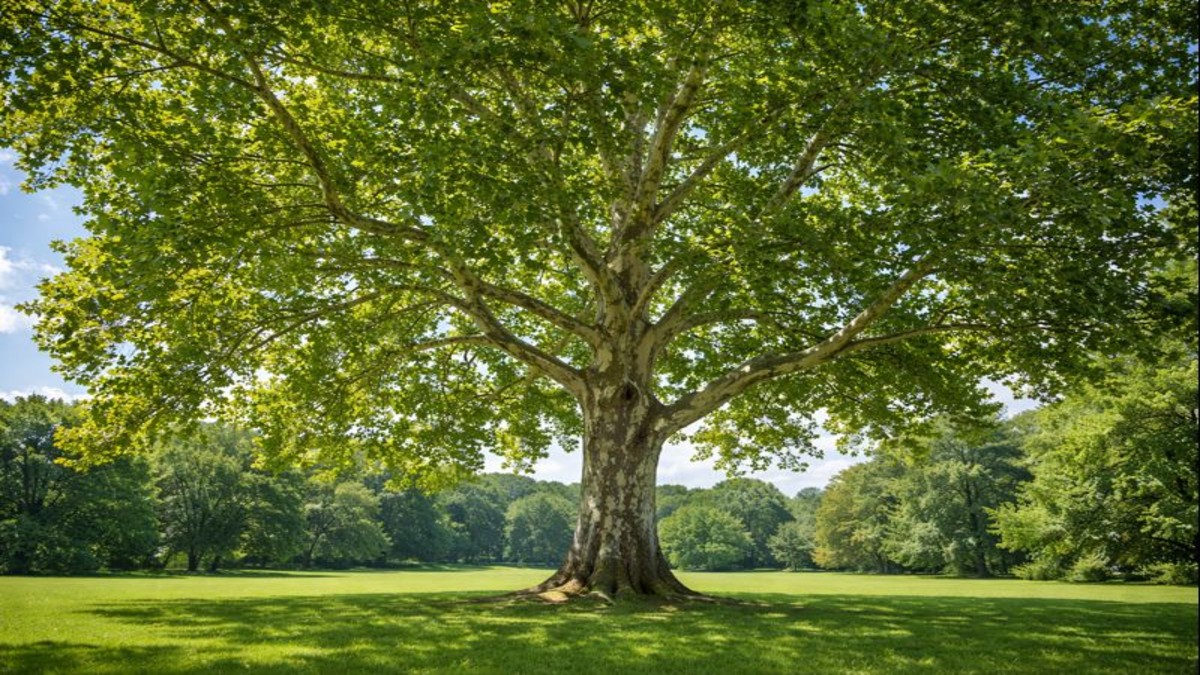
If trees had personalities, the sycamore tree would be the bold, confident giant that demands attention. Towering, wide-spreading, and unmistakable, sycamores have been part of human landscapes for centuries. Whether lining riverbanks or shading city streets, these trees make a powerful statement.
So what makes the sycamore tree so special? Let’s dig into its roots literally and figuratively.
What Is a Sycamore Tree?
The sycamore tree belongs to the genus Platanus and is known for its massive size and distinctive peeling bark. Depending on where you live, the name “sycamore” might refer to different species.
Common Types of Sycamore Trees
- American Sycamore (Platanus occidentalis) – One of the largest deciduous trees in North America
- European Sycamore (Acer pseudoplatanus) – Technically a maple, but commonly called sycamore
- California Sycamore (Platanus racemosa) – Native to the western United States
Physical Characteristics
Sycamore trees are hard to miss.
Size and Growth Pattern
These trees can grow over 100 feet tall with an equally impressive spread. They grow fast, especially when young, making them popular for quick shade.
Leaves, Bark, and Canopy
- Large, maple-like leaves
- Bark that flakes off in patches, revealing white, cream, and green underneath
- A dense, rounded canopy that offers excellent shade
The bark alone makes the sycamore look like a living piece of abstract art.
Where Sycamore Trees Grow
Sycamores love space, sunlight, and moisture.
Native Regions
They’re commonly found in North America, Europe, and parts of Asia.
Preferred Climate and Soil
- Thrive in temperate climates
- Prefer moist, well-drained soil
- Often grow near rivers and streams
You’ll also see them planted in parks and along streets because they tolerate pollution better than many trees.
Lifespan and Growth Rate
Sycamores are in it for the long haul.
- Lifespan: 200–600 years
- Growth rate: Fast, especially in early years
Plant one today, and future generations will enjoy it.
Ecological Benefits of Sycamore Trees
Sycamores aren’t just big—they’re beneficial.
Wildlife Habitat
Birds, squirrels, and insects rely on sycamores for shelter and food.
Air Quality and Shade
Their large leaves absorb pollutants and reduce urban heat, acting like natural air conditioners.
Soil and Water Conservation
Strong roots help prevent erosion, especially along riverbanks.
Sycamore Tree Uses
Humans have found many uses for sycamores over the years.
Wood and Timber Uses
Sycamore wood is used for:
- Furniture
- Veneer
- Musical instruments
- Butcher blocks
Landscaping and Shade
Because of their size and beauty, sycamores are popular shade trees in large spaces.
Common Problems and Diseases
No tree is perfect.
Anthracnose
A fungal disease that causes leaf drop and twig damage, especially in wet springs.
Pests
Aphids, lace bugs, and mites can sometimes be an issue.
Maintenance Challenges
Large roots and falling leaves mean sycamores aren’t ideal for small yards.
How to Plant and Care for a Sycamore Tree
Thinking of planting one?
Planting Tips
- Choose a large, open area
- Keep away from buildings and sidewalks
- Plant in full sun
Watering and Pruning
Young trees need regular watering. Prune only when necessary to remove dead or weak branches.
Sycamore Tree Symbolism and Meaning
Sycamores often symbolize strength, protection, and longevity.
In ancient cultures, they were associated with life and renewal. Even today, they’re seen as guardians of the landscape—steady, reliable, and enduring.
Pros and Cons of Growing a Sycamore Tree
Advantages
- Fast growth
- Excellent shade
- Long lifespan
- Wildlife-friendly
Disadvantages
- Large size
- Messy leaf drop
- Strong roots
Sycamore Tree vs Other Shade Trees
Compared to oaks or maples, sycamores grow faster and tolerate pollution better, but they need more space.
Conclusion
The sycamore tree is a true giant—beautiful, resilient, and deeply connected to both nature and human history. While it may not fit every yard, in the right space it becomes a living legacy. If you’re looking for a tree that makes an impact, the sycamore stands tall above the rest.
FAQs
1. Is a sycamore tree good for a backyard?
Only if you have a large yard. Sycamores need plenty of space.
2. How fast does a sycamore tree grow?
It can grow 2–3 feet per year under good conditions.
3. Are sycamore trees messy?
Yes, they shed leaves and bark regularly.
4. Do sycamore trees have strong roots?
Very strong—plant them away from foundations and sidewalks.
5. How long do sycamore trees live?
Many live several hundred years.

Dobutamine: Uses, Mechanism, Dosage, and Side Effects

Nopdle Magazine: Redefining Creative Culture Through Curated Innovation

Shop Easter Basket: The Ultimate Guide to Perfect Easter Gifts

Best Apps to Make Money Online USA (2026 Guide)

How to Start Affiliate Marketing with No Money

Freelance Jobs for Beginners USA (Start with No Experience)

Side Hustle Ideas from Home USA (No Experience Needed) – Beginner’s Guide

Online Jobs from Home USA (Daily Pay) – Start Earning Instantly

Beton Celular Autoclavizat: The Future of Lightweight, Eco-Friendly Construction

Goblets: A Timeless Symbol of Elegance and Celebration
Dobutamine: Uses, Mechanism, Dosage, and Side Effects

Ishraq Time in Delhi: What It Is, When It Happens, and Why It Matters
Beton Celular Autoclavizat: The Future of Lightweight, Eco-Friendly Construction

Read OPM Manga Online: Where and How to Enjoy One Punch Man Legally

Technisches Gymnasium: Your Gateway to Engineering and Technology

Why Every Small Business Needs a Digital Marketing Agency
Goblets: A Timeless Symbol of Elegance and Celebration
Nopdle Magazine: Redefining Creative Culture Through Curated Innovation

Gold Shower: Nature’s Cascading Yellow Wonder

The Indian Bow: A Legacy of Precision, Power, and Tradition
Dobutamine: Uses, Mechanism, Dosage, and Side Effects
Nopdle Magazine: Redefining Creative Culture Through Curated Innovation
Shop Easter Basket: The Ultimate Guide to Perfect Easter Gifts
Best Apps to Make Money Online USA (2026 Guide)
How to Start Affiliate Marketing with No Money
Freelance Jobs for Beginners USA (Start with No Experience)
Side Hustle Ideas from Home USA (No Experience Needed) – Beginner’s Guide
Online Jobs from Home USA (Daily Pay) – Start Earning Instantly
Beton Celular Autoclavizat: The Future of Lightweight, Eco-Friendly Construction
Goblets: A Timeless Symbol of Elegance and Celebration

 entertainment7 months ago
PYT Telegram: A Complete Guide to Understanding, Using, and Maximizing It

 entertainment7 months ago
OnionFlix: Everything You Need to Know About This Streaming Website
- others6 months ago
Nook vs Kindle: Which E-Reader Is Right for You?
- gaming7 months ago
Melisandre: The Enigmatic Priestess of Game of Thrones