fashion
Terry Cloth: The Soft and Absorbent Fabric You Love Without Knowing It
Published
1 year agoon
By
Hamari Web
Table of Contents
ToggleIntroduction
Have you ever wrapped yourself in a soft, fluffy towel after a hot shower? Chances are, that towel was made of terry cloth one of the most comfortable and functional fabrics in the world. Known for its superior absorbency and plush texture, terry cloth has become a household staple in bathrooms, spas, gyms, and even wardrobes.
What Is Terry Cloth?
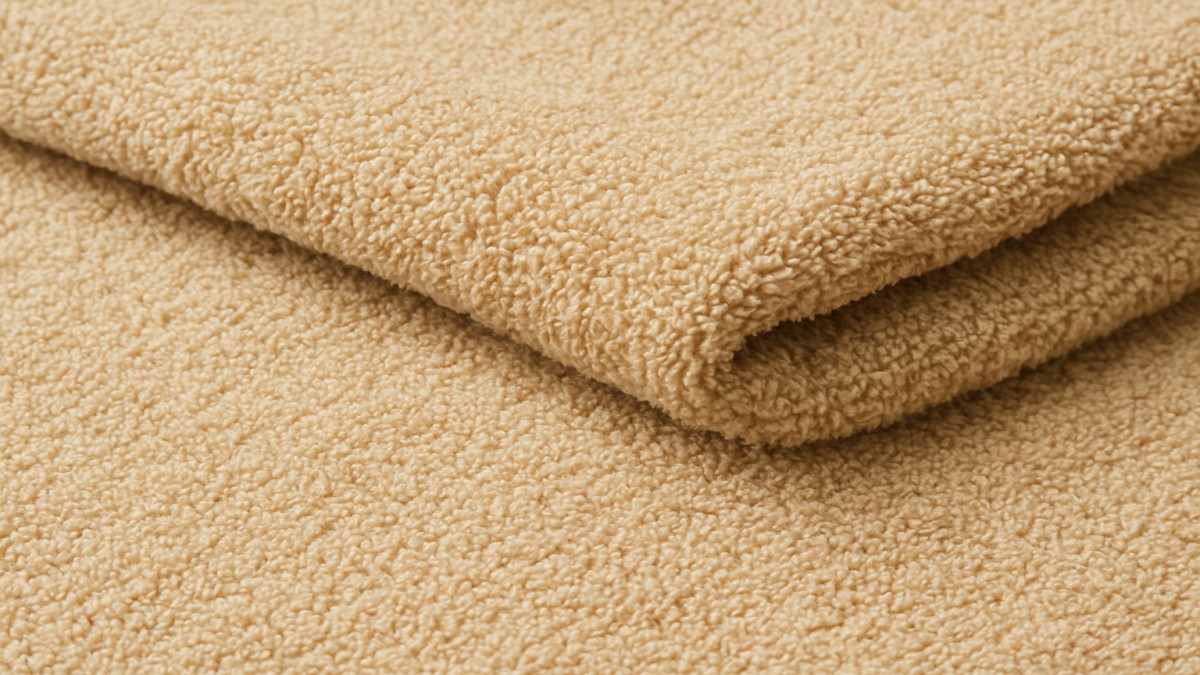
Terry cloth is a woven or knitted fabric with long loops that can absorb large amounts of water. Typically made from cotton, but sometimes blended with polyester or bamboo, it’s engineered to be soft, thick, and absorbent perfect for drying and comfort.
The Origin and History of Terry Cloth
Terry cloth dates back to the mid-19th century, originating in Turkey and France, where handwoven cotton towels were first made. The name “terry” comes from the French word tirer, meaning “to pull,” referencing the loops created in the weaving process. Over time, British textile mills perfected the process, and terry cloth became widely used in towels and bathrobes.
How Terry Cloth Is Made
The Weaving Process
Terry cloth is produced using two warp threads — one forms the base fabric while the other creates the loops. These loops are what make terry cloth so absorbent. In some variations, the loops are left uncut (as in bath towels), while in others, they’re trimmed for a smoother surface.
Loop Structure and Its Role
Each loop acts like a small sponge, increasing the fabric’s surface area, allowing it to soak up moisture quickly. The tighter and longer the loops, the more absorbent the fabric.
Types of Terry Cloth
1. Towel Terry
This is the traditional form used in bath towels, robes, and washcloths. It’s thick, double-sided, and extremely absorbent.
2. French Terry
A lighter version with loops only on one side and a smooth surface on the other. It’s ideal for sweatshirts, hoodies, and casual wear due to its breathability and comfort.
3. Microfiber Terry
Made from synthetic fibers like polyester, this type is ultra-soft and fast-drying, often used for cleaning cloths and gym towels.
Key Characteristics of Terry Cloth
Softness
The cotton loops give terry cloth its plush, cozy feel that makes it gentle on the skin.
Absorbency
Terry cloth can absorb up to 20 times its weight in water, thanks to its looped pile structure.
Durability
It’s known for long-lasting strength, especially when made from quality cotton fibers.
Breathability
Terry cloth’s weave allows air to flow freely, preventing that heavy, stuffy feeling.
Common Uses of Terry Cloth
Bath Towels and Robes
The most common use — terry cloth makes for luxurious towels and plush bathrobes that feel like a spa treat.
Sportswear and Loungewear
French terry is a go-to fabric for comfortable casual wear, from sweatpants to hoodies.
Baby Products
Because of its softness and hypoallergenic properties, it’s perfect for baby bibs, towels, and washcloths.
Home Décor and Accessories
You’ll even find terry cloth in slippers, cushion covers, and kitchen towels.
Why Terry Cloth Is So Absorbent
The secret lies in the looped yarns. Each loop increases the surface area, allowing the fabric to trap water molecules quickly. Cotton, being naturally hydrophilic, enhances this effect, making terry cloth unbeatable for drying.
Difference Between Terry Cloth and French Terry
While both share the same family name, terry cloth has loops on both sides, making it thicker and more absorbent. French terry, however, is smoother on one side, offering a lighter, breathable feel suitable for apparel rather than towels.
Conclusion
Terry cloth is much more than a towel fabric — it’s a symbol of comfort, quality, and care. From drying off after a shower to lounging in cozy robes, this fabric remains an everyday essential with timeless appeal. Its versatility, softness, and sustainability make it a must-have in homes and wardrobes alike.
FAQs
1. What is terry cloth made of?
Terry cloth is usually made from 100% cotton, though blends with polyester or bamboo are common.
2. Can terry cloth shrink?
Yes, if exposed to high heat during washing or drying. Always use warm water and low heat to prevent shrinkage.
3. What’s the difference between terry cloth and velour?
Velour has a cut pile giving it a smooth, velvety feel, while terry cloth retains loops, making it more absorbent.
4. Is terry cloth suitable for summer wear?
Yes! French terry, being lightweight and breathable, is ideal for summer sweatshirts and casual wear.
5. How can I make terry cloth last longer?
Avoid harsh detergents, fabric softeners, and excessive heat. Air drying and gentle washing help preserve its softness and loops.

Sparks to Success: How to Start an Electrical Business

Cool Air, Warm Profits: How to Start an HVAC Business

Wrenches to Wealth: How to Start a Plumbing Business

Shingles to Success: How to Start a Roofing Business

Posts, Panels and Profit: How to Start a Fencing Business

First Cut, Full Crew: How to Start a Tree Trimming Business

Ladder to Lights: How to Start a Christmas Light Business

Clear Water, Steady Pay: Starting a Pool Cleaning Business

Green Thumb to Paycheck: Starting a Landscaping Business

Turn Winter Into Income: How to Start a Snow Removal Business

How to Repurpose Blog Content for Social Media Without Starting From Scratch

How to Write a Simple Business Plan for Your Small Business: A Practical Guide That Gets You Started

How to Get More Clients for Your Business: Simple Ways That Actually Work

How to Create a Small Business Content Marketing Plan That Actually Gets Results

How to Write a Professional Business Email That Gets a Reply

How to Create a Content Calendar for a Small Business

Branding Tips for Small Businesses: A Simple Guide That Makes You Memorable
How to Handle Customer Complaints in a Small Business: A Calm, Practical Guide That Turns Problems Into Loyalty

How to Set Up a Simple Referral Program for Your Small Business: A Beginner’s Guide That Brings in New Customers

How to Set SMART Goals for a Small Business: A Practical Guide That Actually Works

Sparks to Success: How to Start an Electrical Business

Cool Air, Warm Profits: How to Start an HVAC Business

Wrenches to Wealth: How to Start a Plumbing Business

Shingles to Success: How to Start a Roofing Business

Posts, Panels and Profit: How to Start a Fencing Business

First Cut, Full Crew: How to Start a Tree Trimming Business

Ladder to Lights: How to Start a Christmas Light Business

Clear Water, Steady Pay: Starting a Pool Cleaning Business

Green Thumb to Paycheck: Starting a Landscaping Business

Turn Winter Into Income: How to Start a Snow Removal Business
Trending
entertainment1 year agoPYT Telegram: A Complete Guide to Understanding, Using, and Maximizing It
entertainment1 year agoOnionFlix: Everything You Need to Know About This Streaming Website
education1 year agoHow to Become a Software Engineer: A Complete Guide
entertainment10 months agoBrainrot Memes: The Unhinged Humor of the Internet Generation