others
Tomillo: The Timeless Herb with Modern Benefits

Introduction
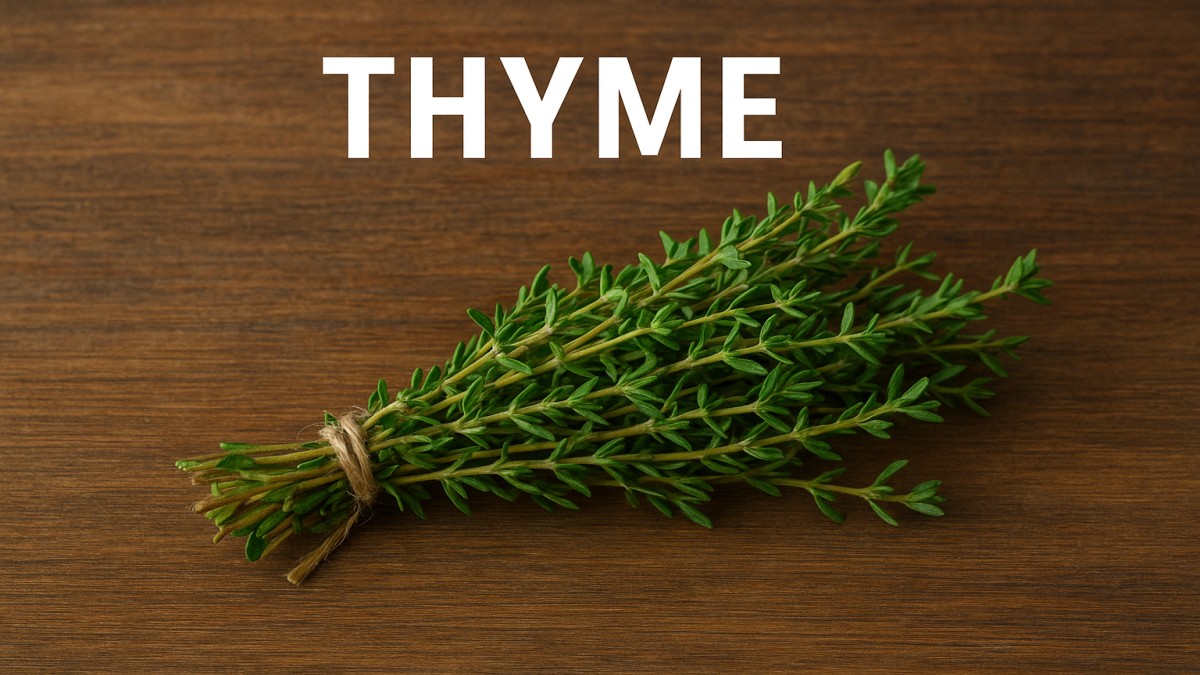
Ever wondered why your grandmother’s kitchen smelled so earthy and comforting? Chances are, tomillo, also known as thyme, had something to do with it. This tiny-leaved herb has been a cornerstone in both kitchens and medicine cabinets for centuries. From ancient Egyptian embalming rituals to modern skincare products, tomillo’s versatility is simply unmatched.
Botanical Overview
Tomillo belongs to the Lamiaceae family—the same family as mint, rosemary, and basil. Its scientific name, Thymus vulgaris, comes from the Greek word thymon, meaning “courage.” There are over 300 species of thyme, but common thyme and lemon thyme are the most widely used.
Origin and Distribution
Native to the Mediterranean region, tomillo thrives in warm, sunny climates with well-drained soil. Today, it’s cultivated across Europe, North Africa, and the Americas. Whether growing wild on rocky hillsides or in backyard gardens, this resilient herb adapts beautifully to various environments.
Nutritional Composition
Tomillo packs more than just flavor—it’s a nutrient powerhouse. It contains vitamins A, C, and K, along with iron, manganese, and calcium. The real magic lies in its essential oils, particularly thymol and carvacrol, which give the herb its potent antibacterial and antioxidant properties.
Health Benefits of Tomillo
Antioxidant Powerhouse
The antioxidants in tomillo help combat free radicals, reducing oxidative stress and slowing aging. Regular consumption may support heart health and overall cellular function.
Antimicrobial Activity
Thanks to thymol, tomillo fights bacteria, fungi, and viruses. It’s often used in natural disinfectants and mouthwashes because of its germ-killing power.
Anti-inflammatory Effects
Chronic inflammation contributes to many diseases. Tomillo’s compounds can help reduce swelling and pain naturally, making it a gentle remedy for arthritis and muscle soreness.
Tomillo for Respiratory Health
Struggling with a cough or stuffy nose? Tomillo tea or steam inhalation can offer relief. Its expectorant qualities help clear mucus, while its antimicrobial nature fights infections. In traditional medicine, tomillo was even used to treat bronchitis, asthma, and sore throats.
Digestive Benefits
Tomillo stimulates digestive enzymes, helping the body break down food more efficiently. It eases bloating, indigestion, and gas, making it perfect after a heavy meal. Think of it as your gut’s best friend in herb form.
Skin and Hair Care Uses
Tomillo’s antibacterial and antiseptic properties make it a favorite in skincare. It can help treat acne, heal wounds, and prevent infections. In hair care, tomillo oil promotes scalp circulation, strengthens hair roots, and helps reduce dandruff.
Tomillo in Aromatherapy
The herb’s refreshing aroma isn’t just pleasant—it’s therapeutic. Tomillo essential oil is often used in aromatherapy to reduce stress, enhance focus, and boost mood. Just a few drops in a diffuser can transform your space into a calming haven.
Culinary Uses
If there’s one herb chefs can’t live without, it’s tomillo. Its earthy, slightly minty flavor complements meats, stews, soups, and roasted vegetables. It’s a key ingredient in French, Italian, and Spanish cuisines, often used in blends like herbes de Provence.
Tomillo in Traditional Medicine
From the ancient Greeks who used it as incense to medieval Europeans who believed it warded off evil, tomillo has a fascinating medicinal history. In folk medicine, it’s been used for digestive issues, infections, menstrual cramps, and even insomnia.
How to Use Tomillo
- As a Tea: Steep 1 teaspoon of dried tomillo in hot water for 10 minutes. Add honey for flavor.
- As an Oil: Mix tomillo essential oil with a carrier oil (like coconut) for massages or topical use.
- As a Culinary Herb: Add it fresh or dried to soups, sauces, and marinades.
Conclusion
From flavoring your favorite dishes to healing your body naturally, tomillo truly earns its place as one of nature’s most valuable herbs. Whether you enjoy it in your cooking, skincare, or wellness routine, this humble plant proves that great things often come in small leaves.
FAQs
1. What is tomillo good for?
Tomillo supports digestion, fights infections, improves skin health, and helps with respiratory conditions.
2. Can I drink tomillo tea daily?
Yes, in moderate amounts. It’s great for boosting immunity and soothing coughs.
3. Is tomillo the same as thyme?
Yes, tomillo is the Spanish name for thyme (Thymus vulgaris).
4. Can tomillo oil be used on the skin?
Yes, but always dilute it with a carrier oil to avoid irritation.
5. How do I store dried tomillo?
Keep it in an airtight jar away from sunlight to preserve its aroma and potency.

Consultative Selling Techniques: A Complete Guide to Building Customer Trust in 2026

Sales Objection Handling: A Complete Guide to Closing More Deals in 2026

Customer Closing Techniques: A Complete Guide to Converting Prospects into Buyers (2026)

Customer Conversion Process: A Complete Guide to Turning Visitors into Loyal Customers (2026)

Sales Funnel Examples: A Complete Guide to Converting More Customers (2026)

Lead Qualification Framework: A Complete Guide to Finding High-Quality Customers (2026)

Website Credibility Factors: A Complete Guide to Building Trust Online (2026)

Online Reputation Monitoring: A Complete Guide to Protecting Your Brand in 2026

Customer Testimonial Strategy: A Complete Guide to Building Trust and Increasing Sales (2026)

Business Storytelling Framework: A Complete Guide to Building Strong Brand Connections (2026)
Consultative Selling Techniques: A Complete Guide to Building Customer Trust in 2026
Sales Objection Handling: A Complete Guide to Closing More Deals in 2026
Customer Closing Techniques: A Complete Guide to Converting Prospects into Buyers (2026)
Customer Conversion Process: A Complete Guide to Turning Visitors into Loyal Customers (2026)
Sales Funnel Examples: A Complete Guide to Converting More Customers (2026)
Lead Qualification Framework: A Complete Guide to Finding High-Quality Customers (2026)
Website Credibility Factors: A Complete Guide to Building Trust Online (2026)
Online Reputation Monitoring: A Complete Guide to Protecting Your Brand in 2026
Customer Testimonial Strategy: A Complete Guide to Building Trust and Increasing Sales (2026)
Business Storytelling Framework: A Complete Guide to Building Strong Brand Connections (2026)

 entertainment1 year ago
PYT Telegram: A Complete Guide to Understanding, Using, and Maximizing It

 entertainment1 year ago
OnionFlix: Everything You Need to Know About This Streaming Website
- education1 year ago
How to Become a Software Engineer: A Complete Guide
- others12 months ago
Nook vs Kindle: Which E-Reader Is Right for You?