food
Turkish Delights: The Sweet Jewel of the Ottoman Empire
Published
1 year agoon
By
Hamari Web
Table of Contents
ToggleIntroduction
Few sweets in the world carry the same charm and history as Turkish delights—or lokum, as they’re called in Turkey. These soft, chewy, and beautifully flavored confections have captivated people for centuries with their delicate sweetness and unique texture. From the royal courts of the Ottoman Empire to the shelves of modern candy shops, Turkish delights continue to enchant dessert lovers everywhere. Let’s unwrap the story, flavor, and tradition behind this iconic treat.
What Are Turkish Delights?
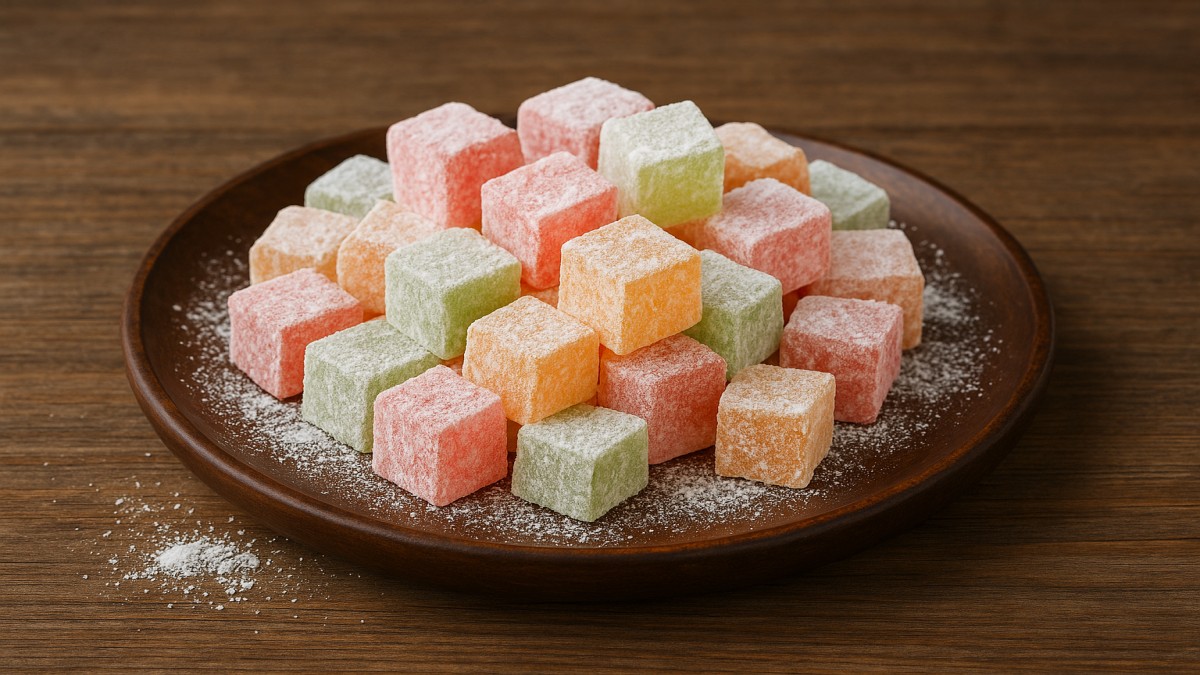
Turkish delights are small, gelatinous cubes of sweet candy made primarily from sugar, water, and starch. They’re often dusted with powdered sugar or coconut flakes to prevent sticking and can be flavored with ingredients like rosewater, lemon, pistachio, pomegranate, or orange blossom.
Their texture is soft yet slightly firm—somewhere between a gummy candy and a marshmallow—but far more refined in flavor and appearance.
A Brief History of Turkish Delights
The origins of Turkish delight date back to the 15th century, during the reign of the Ottoman Empire. However, it gained prominence in the 18th century, when a confectioner named Bekir Effendi opened a sweet shop in Istanbul in 1777. His recipe became so popular that he was appointed the official confectioner of the Ottoman court.
From there, lokum spread across Europe in the 19th century, where it became known as “Turkish delight.” It even inspired parts of popular culture—most famously in The Chronicles of Narnia, where the White Witch tempts Edmund with the irresistible sweet.
Ingredients of Authentic Turkish Delight
The beauty of Turkish delight lies in its simplicity. Traditional recipes use only a handful of ingredients:
- Sugar – the base of the candy, providing sweetness and structure.
- Cornstarch (or wheat starch) – used to thicken the syrup and give the candy its signature texture.
- Water – the medium for dissolving sugar and creating the syrup.
- Flavorings – rosewater, citrus, mint, or other aromatic essences.
- Nuts – pistachios, hazelnuts, or walnuts are often added for flavor and crunch.
- Powdered sugar – for coating and preventing stickiness.
How Turkish Delights Are Made
The process of making Turkish delight may seem simple, but it requires skill and patience. Here’s how it’s typically done:
- Boiling the syrup: Sugar and water are boiled together until they reach a high temperature.
- Adding starch: A starch-water mixture is slowly stirred in, creating a thick, glossy consistency.
- Flavor infusion: Natural flavorings and sometimes food coloring are added to the mixture.
- Setting: The thickened mixture is poured into trays, cooled, and left to set for several hours.
- Cutting and coating: Once firm, the candy is cut into cubes and dusted with powdered sugar or coconut.
The result? A chewy, aromatic, and perfectly sweet treat that melts in your mouth.
Popular Flavors of Turkish Delight
1. Rose
The most iconic and traditional flavor—fragrant, floral, and unmistakably Turkish.
2. Lemon
Bright, tangy, and refreshing—lemon Turkish delight offers a citrusy contrast to the sweetness.
3. Pistachio
A luxurious version that adds nutty crunch and richness to the soft texture.
4. Pomegranate
A modern twist that brings a burst of fruity flavor and a beautiful ruby-red hue.
5. Mint or Orange Blossom
Perfect for those who prefer something cooling or aromatic.
Conclusion
Turkish delight is more than just a sweet treat—it’s a cultural treasure that connects past and present, East and West. Its soft texture, delicate flavors, and centuries-old heritage make it a dessert like no other. Whether you’re sipping tea in Istanbul or enjoying a bite at home, each cube of lokum tells a story of artistry, tradition, and timeless indulgence.
FAQs
1. What is Turkish delight made of?
It’s made from sugar, water, starch, and natural flavorings like rosewater or citrus.
2. Is Turkish delight vegan?
Yes—most traditional recipes are vegan unless they contain honey or dairy-based coatings.
3. Why is it called “Turkish delight”?
European travelers named it after being enchanted by its exotic flavor and texture in Ottoman Turkey.
4. How long does Turkish delight last?
It stays fresh for up to two weeks if stored properly in a dry, airtight container.
5. Can I freeze Turkish delight?
No, freezing can ruin its chewy texture and cause it to crystallize.

How to Start a Freelance Business: Simple Steps That Turn Your Skills Into Income

Small Business Loyalty Program Ideas: Simple Ways That Keep Customers Coming Back

Small Business Budget Spreadsheet: A Simple Guide That Keeps Your Money on Track

LinkedIn Business Page Setup: Simple Steps for Small Business

Cold Email Examples That Get Replies: Simple Templates for Small Business

How to Write a Follow Up Email After a Meeting: Simple Steps That Keep the Conversation Going

How to Word a Business Proposal That Wins Clients: Simple Steps for Small Business

How to Write an About Us Page for Small Business: Simple Steps That Build Trust

How to Ask for a Testimonial from a Client: Simple Steps That Actually Work

How to Choose a Domain Name for Your Business: Simple Steps That Help Customers Find You

How to Repurpose Blog Content for Social Media Without Starting From Scratch
How to Handle Customer Complaints in a Small Business: A Calm, Practical Guide That Turns Problems Into Loyalty

How to Create a Small Business Content Marketing Plan That Actually Gets Results

How to Create a Content Calendar for a Small Business

How to Set SMART Goals for a Small Business: A Practical Guide That Actually Works

How to Set Up a Simple Referral Program for Your Small Business: A Beginner’s Guide That Brings in New Customers

How to Write a Professional Business Email That Gets a Reply

How to Write a Business Proposal for Your Small Business: A Simple Guide That Wins Clients

How to Write a Simple Business Plan for Your Small Business: A Practical Guide That Gets You Started

How to Price Your Services as a Small Business: A Simple Guide That Protects Your Profit

How to Start a Freelance Business: Simple Steps That Turn Your Skills Into Income

Small Business Loyalty Program Ideas: Simple Ways That Keep Customers Coming Back

Small Business Budget Spreadsheet: A Simple Guide That Keeps Your Money on Track

LinkedIn Business Page Setup: Simple Steps for Small Business

Cold Email Examples That Get Replies: Simple Templates for Small Business

How to Write a Follow Up Email After a Meeting: Simple Steps That Keep the Conversation Going

How to Word a Business Proposal That Wins Clients: Simple Steps for Small Business

How to Write an About Us Page for Small Business: Simple Steps That Build Trust

How to Ask for a Testimonial from a Client: Simple Steps That Actually Work

How to Choose a Domain Name for Your Business: Simple Steps That Help Customers Find You
Trending
entertainment1 year agoPYT Telegram: A Complete Guide to Understanding, Using, and Maximizing It
entertainment1 year agoOnionFlix: Everything You Need to Know About This Streaming Website
education1 year agoHow to Become a Software Engineer: A Complete Guide
others1 year agoNook vs Kindle: Which E-Reader Is Right for You?