Technology
Electric Trike: The Future of Personal Transportation

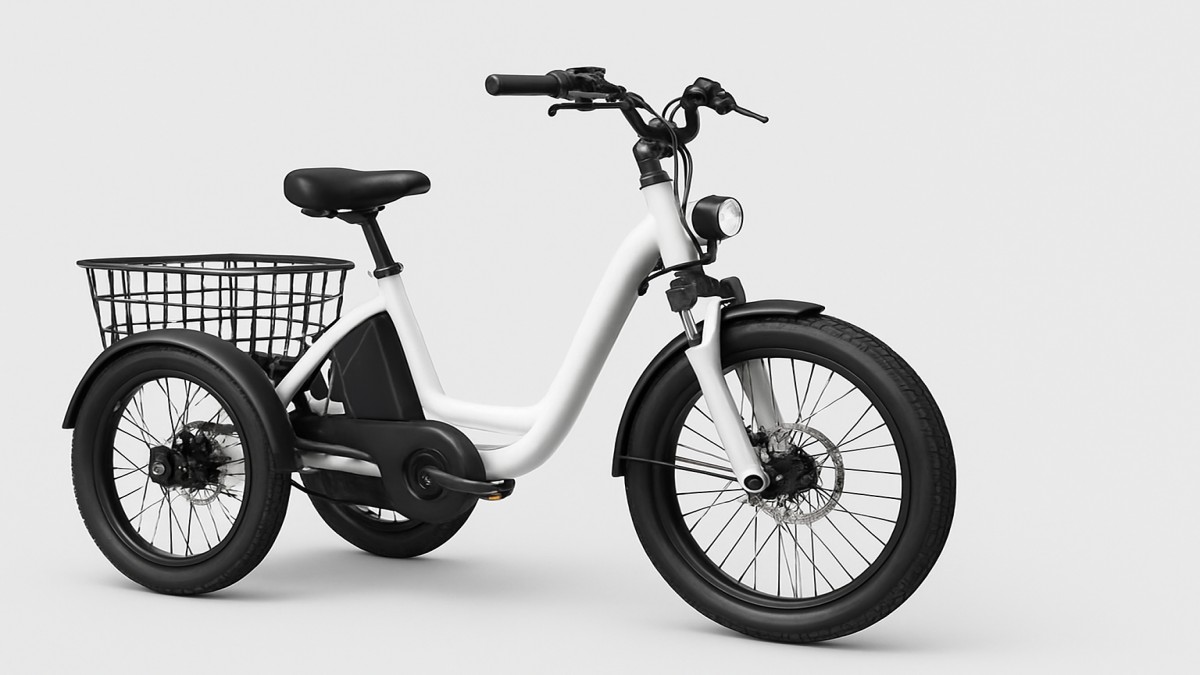
Electric trikes, once considered niche mobility gadgets, have rapidly evolved into one of the most practical and accessible forms of modern transportation. With rising fuel costs, traffic congestion, and growing environmental concerns, electric trikes (or e-trikes) offer the perfect blend of convenience, comfort, and sustainability.
Let’s explore everything you need to know about electric trikes and why they’re becoming a global mobility revolution.
Introduction to Electric Trikes
What Is an Electric Trike?
An electric trike is a three-wheeled vehicle powered by a battery-operated electric motor. Unlike traditional bicycles, electric trikes offer greater stability and often include features like comfortable seating, storage baskets, and powerful motors—making them ideal for both commuting and recreation.
Why Electric Trikes Are Gaining Popularity
E-trikes are popular because they remove many challenges of cycling—balance issues, physical strain, and limited cargo space. They’re accessible to all ages and abilities, making them a top choice for seniors, delivery workers, and eco-conscious commuters.
Types of Electric Trikes
Two-Wheel Front (Delta) Trikes
These have one wheel in the front and two in the back. They offer stability and a traditional riding experience, great for everyday commutes.
Two-Wheel Rear (Tadpole) Trikes
With two wheels in the front and one at the rear, these trikes typically offer better aerodynamics and steering control—popular for speed enthusiasts and sportier riding.
Cargo Electric Trikes
Built for heavy-duty use, these come with large storage boxes or baskets. Ideal for delivery services, groceries, or transporting equipment.
Folding Electric Trikes
Perfect for city dwellers with limited space. They fold compactly for easy storage and transport.
Key Features of Electric Trikes
Battery and Range
Most electric trikes offer a range of 20–60 miles depending on battery capacity. Lithium-ion batteries ensure lighter weight and longer lifespan.
Motor Power and Performance
Motor power ranges between 250W to 750W. More powerful motors help handle hills and heavy loads effortlessly.
Stability and Safety
The three-wheel design makes e-trikes extremely stable. Many models come with disc brakes, LED lights, reflectors, and wide tires for enhanced safety.
Comfort and Seating Options
From upright seats to recumbent designs, electric trikes prioritize comfort—perfect for long rides.
Storage Capacity
Built-in rear baskets, front racks, or cargo compartments make e-trikes ideal for shopping, deliveries, or transporting goods.
Benefits of Using an Electric Trike
Eco-Friendly Transportation
Electric trikes produce zero emissions, reducing your carbon footprint significantly.
Ideal for Seniors and Individuals with Mobility Issues
The stable design allows people who struggle with balance or endurance to ride confidently and independently.
Cost-Effective and Low Maintenance
Compared to cars or scooters, e-trikes are cheap to charge, easy to maintain, and require no fuel.
Great for Urban and Suburban Commuting
Skip traffic jams, avoid parking hassles, and navigate tight spaces effortlessly.
Electric Trikes vs. Traditional Bicycles
Stability Comparison
Electric trikes offer superior stability, making them safer for uneven terrain, slow-speed riding, and individuals with balance concerns.
Convenience and Accessibility
Getting on and off a trike is easier, and the additional cargo space makes everyday use far more practical.
Speed and Performance Differences
While bikes can be faster downhill, e-trikes provide consistent assistive power and smoother performance across various terrains.
Choosing the Right Electric Trike
Consider Your Terrain
Live in a hilly area? Choose a trike with a powerful motor and multi-gear system.
Weight Capacity and Size
Always check maximum load capacity, especially if you plan to carry groceries or equipment.
Budget and Features
Basic models are affordable, while advanced versions with smart displays, GPS, and suspension cost more.
Test Ride and Comfort Check
A test ride helps determine seat comfort, handling, and ride quality.
Common Uses for Electric Trikes
Daily Commuting
Avoid traffic and reach work refreshed, not sweaty and exhausted.
Recreational Riding
Perfect for scenic rides, family outings, and exploring the outdoors.
Delivery and Cargo Transport
Food delivery workers and small businesses love e-trikes for their affordability and load capacity.
Fitness and Light Exercise
You’ll still pedal—just with added motor assistance to avoid overexertion.
Conclusion
Electric trikes are transforming personal transportation by offering a stable, eco-friendly, comfortable, and affordable way to travel. Whether you’re commuting, shopping, or enjoying a leisurely ride, an electric trike provides freedom and convenience that traditional bikes or scooters simply can’t match.
FAQs
1. How fast can an electric trike go?
Most electric trikes reach speeds of 15–25 mph depending on the model.
2. Are electric trikes safe for seniors?
Absolutely. Their stability and low step-through design make them ideal for older adults.
3. How long does it take to charge the battery?
Typically, 4–6 hours for a full charge.
4. Do electric trikes require a license?
In most regions, no license is needed, but always check local regulations.
5. Can I use an electric trike for long-distance travel?
Yes, especially models with extended-range batteries.

Consultative Selling Techniques: A Complete Guide to Building Customer Trust in 2026

Sales Objection Handling: A Complete Guide to Closing More Deals in 2026

Customer Closing Techniques: A Complete Guide to Converting Prospects into Buyers (2026)

Customer Conversion Process: A Complete Guide to Turning Visitors into Loyal Customers (2026)

Sales Funnel Examples: A Complete Guide to Converting More Customers (2026)

Lead Qualification Framework: A Complete Guide to Finding High-Quality Customers (2026)

Website Credibility Factors: A Complete Guide to Building Trust Online (2026)

Online Reputation Monitoring: A Complete Guide to Protecting Your Brand in 2026

Customer Testimonial Strategy: A Complete Guide to Building Trust and Increasing Sales (2026)

Business Storytelling Framework: A Complete Guide to Building Strong Brand Connections (2026)
Consultative Selling Techniques: A Complete Guide to Building Customer Trust in 2026
Sales Objection Handling: A Complete Guide to Closing More Deals in 2026
Customer Closing Techniques: A Complete Guide to Converting Prospects into Buyers (2026)
Customer Conversion Process: A Complete Guide to Turning Visitors into Loyal Customers (2026)
Sales Funnel Examples: A Complete Guide to Converting More Customers (2026)
Lead Qualification Framework: A Complete Guide to Finding High-Quality Customers (2026)
Website Credibility Factors: A Complete Guide to Building Trust Online (2026)
Online Reputation Monitoring: A Complete Guide to Protecting Your Brand in 2026
Customer Testimonial Strategy: A Complete Guide to Building Trust and Increasing Sales (2026)
Business Storytelling Framework: A Complete Guide to Building Strong Brand Connections (2026)

 entertainment1 year ago
PYT Telegram: A Complete Guide to Understanding, Using, and Maximizing It

 entertainment1 year ago
OnionFlix: Everything You Need to Know About This Streaming Website
- education1 year ago
How to Become a Software Engineer: A Complete Guide
- others12 months ago
Nook vs Kindle: Which E-Reader Is Right for You?