
business
How to Start a Gutter Cleaning Business: Simple Steps That Turn Your Ladder Into Income

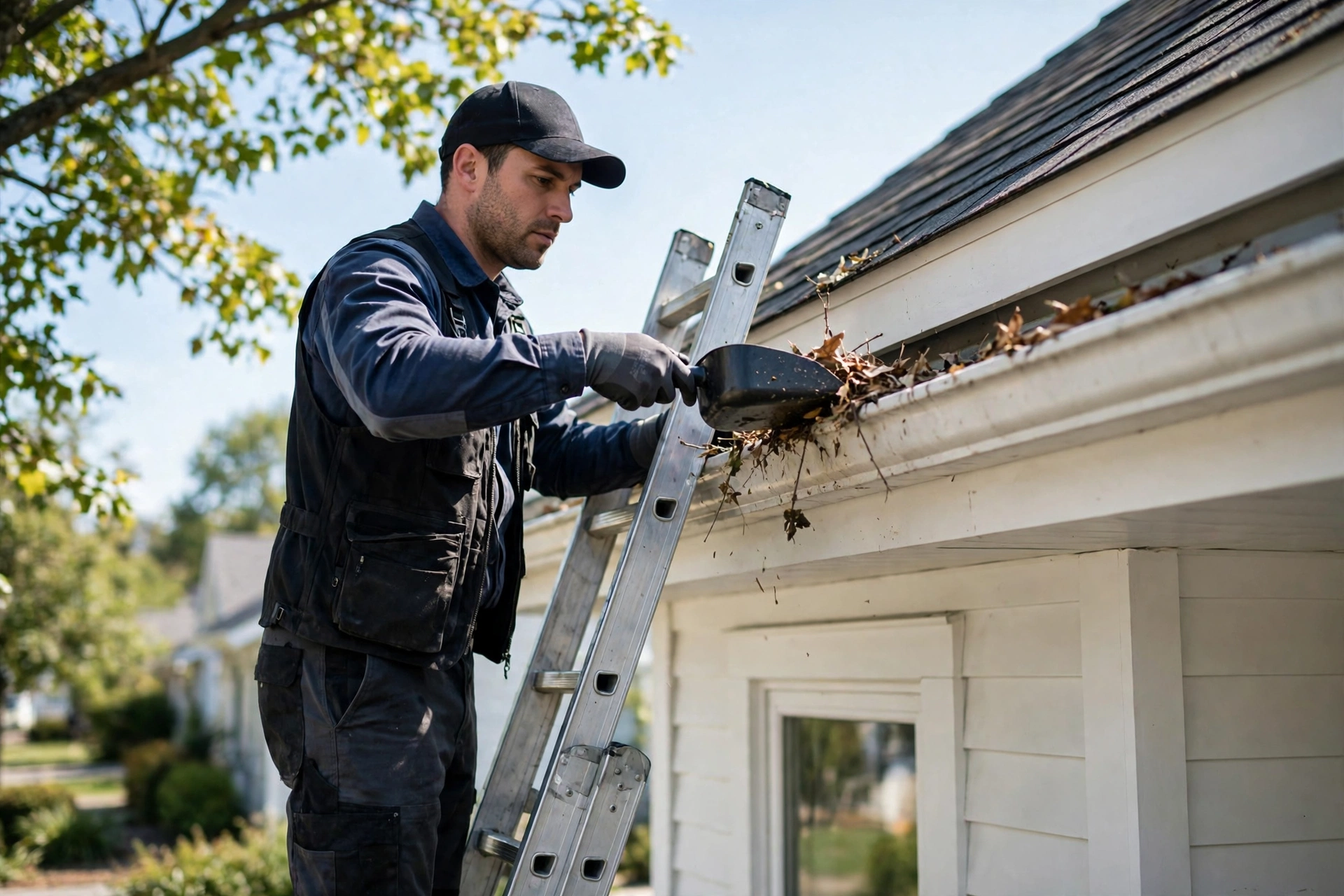
Every autumn, the same thing happens in every neighbourhood. Leaves pile up, rain comes down, and gutters overflow. Water runs down walls, damp creeps in, and homeowners start searching for someone who can fix it quickly. That someone could be you.
If you are wondering how to start a gutter cleaning business, the good news is that this is one of the simplest service businesses to begin. You do not need a shop, a degree, or a big loan. You need a ladder, a few tools, a simple plan, and the willingness to climb up and do the work well. This guide walks you through each step, from your first plan to your first paying customer.
What Does a Gutter Cleaning Business Actually Do?
At its heart, the job is simple: you remove leaves, moss, twigs and dirt from gutters and downpipes so rainwater can flow away from the house. A blocked gutter is not just an ugly problem. Overflowing water can damage roofs, walls, foundations and gardens, so homeowners are happy to pay someone reliable to keep it clear.
Most jobs follow the same pattern. You arrive, set up your ladder safely, scoop out the debris by hand or with a scoop, flush the gutter with water, check that the downpipes run clear, and tidy up before you leave. A typical house takes 45 minutes to two hours. Some owners add extra services over time, such as clearing roof valleys, washing fascia boards, or fitting gutter guards, but the core service stays the same.
There are two kinds of work in this trade. Residential gutter cleaning means houses, flats and small blocks — short jobs, lots of customers, and plenty of repeat work twice a year. Commercial gutter cleaning means offices, shops, schools and warehouses — bigger buildings, longer jobs, and contracts that can keep you busy for months. Most beginners start with houses, then take on commercial jobs once they have the kit and the confidence.
Is Gutter Cleaning a Good Business to Start?
It is a good fit for a first business for several reasons. The starting costs are low, the work is needed in every town, and customers come back every six to twelve months, so a good job today can turn into regular income for years.
Before you spend any money, do a little homework. That is where knowing how to do market research for small business comes in handy. Walk around your area and count the houses with trees nearby. Search online for other gutter cleaners in your town and look at what they charge. Ask a few neighbours how often they get their gutters cleaned and what they pay. If you find streets full of large trees and only one or two cleaners serving them, you have found a gap worth filling.
Also think about the seasons. Spring and autumn are the busiest times, because that is when leaves fall and rain arrives. Summer is slower, which is a good time to clean commercial buildings and chase new contracts. A business that plans for quiet months does far better than one that is surprised by them.
Step 1: Write Your Gutter Cleaning Business Plan
Every good business starts on paper. A gutter cleaning business plan does not need to be long or fancy — one or two pages is enough — but it should answer the questions that will guide your first year.
Start with your services. Will you clean gutters only, or also clear downpipes and wash fascias? Will you serve houses, businesses, or both? Then list your prices. Look at what local competitors charge, then set your own rates so you earn a fair wage after fuel and kit costs.
Next, work out your starting costs. A solid ladder, a scoop, a bucket, gloves, safety glasses and a hose will get you going. Add a leaf blower and a water-fed pole later, when the jobs pay for them. Write down every cost, including fuel, insurance, and a small amount for flyers or a simple website.
Finally, set a goal for your first three months. For example: clean 40 houses, earn your first five repeat customers, and get three honest reviews online. A plan like this keeps you focused when the phone is quiet and stops you spending money on things you do not need yet.
Step 2: Sort the Legal Basics
You do not need a special licence to clean gutters in most places, but you do need to set the business up properly. Register as a sole trader or a small company, depending on what suits you, and open a separate bank account so your business money stays apart from your personal money.
Check the local rules in your town before you start. Some areas have rules about working at height, disposing of green waste, or parking a van on a residential street. A quick call to your local council or a look at its website will tell you what applies. Keep it simple, keep records of every job and every payment, and file your tax return on time. Good habits here save you stress later.
Step 3: Get Your Gutter Cleaning Business Insurance
This is the step beginners are most tempted to skip, and the one they regret skipping most. You will be working on ladders, on other people’s property, and sometimes near parked cars and conservatories. One accident can wipe out months of earnings.
Gutter cleaning business insurance usually means public liability cover, which protects you if you damage a customer’s property or someone gets hurt while you work. Many policies also cover your tools if they are stolen from your van. The cost is modest for a small business, and most customers will ask whether you are insured before they book you. Having a policy — and saying so on your flyers — builds trust from the first call.
If you plan to hire a helper later, you will also need employers’ liability cover. For now, as a one-person business, public liability and tool cover are the two essentials. Compare two or three quotes, read what each policy actually covers, and pick the one that fits the way you work.
Step 4: Buy Your Gutter Cleaning Tools and Equipment
You do not need the most expensive kit to start, but you do need safe, reliable kit. Your ladder is the most important purchase you will make. A sturdy extension ladder with a stand-off, which holds the ladder away from the gutter so it does not crush it, is worth every penny. Buy the best ladder you can afford and inspect it before every job.
Your basic gutter cleaning tools are simple: a gutter scoop or small trowel, a bucket with a hook that hangs from the ladder, heavy work gloves, safety glasses, and a garden hose to flush the gutter after scooping. These few items handle most houses.
As your business grows, add gutter cleaning equipment that saves time. A leaf blower with a gutter attachment clears light debris from the ground on some jobs. A water-fed pole with a camera lets you inspect and clean gutters on taller buildings without climbing so high. A small pressure washer helps with fascia boards and paths. Buy each new item only when the jobs you already have will pay for it — that is how a small business stays profitable.
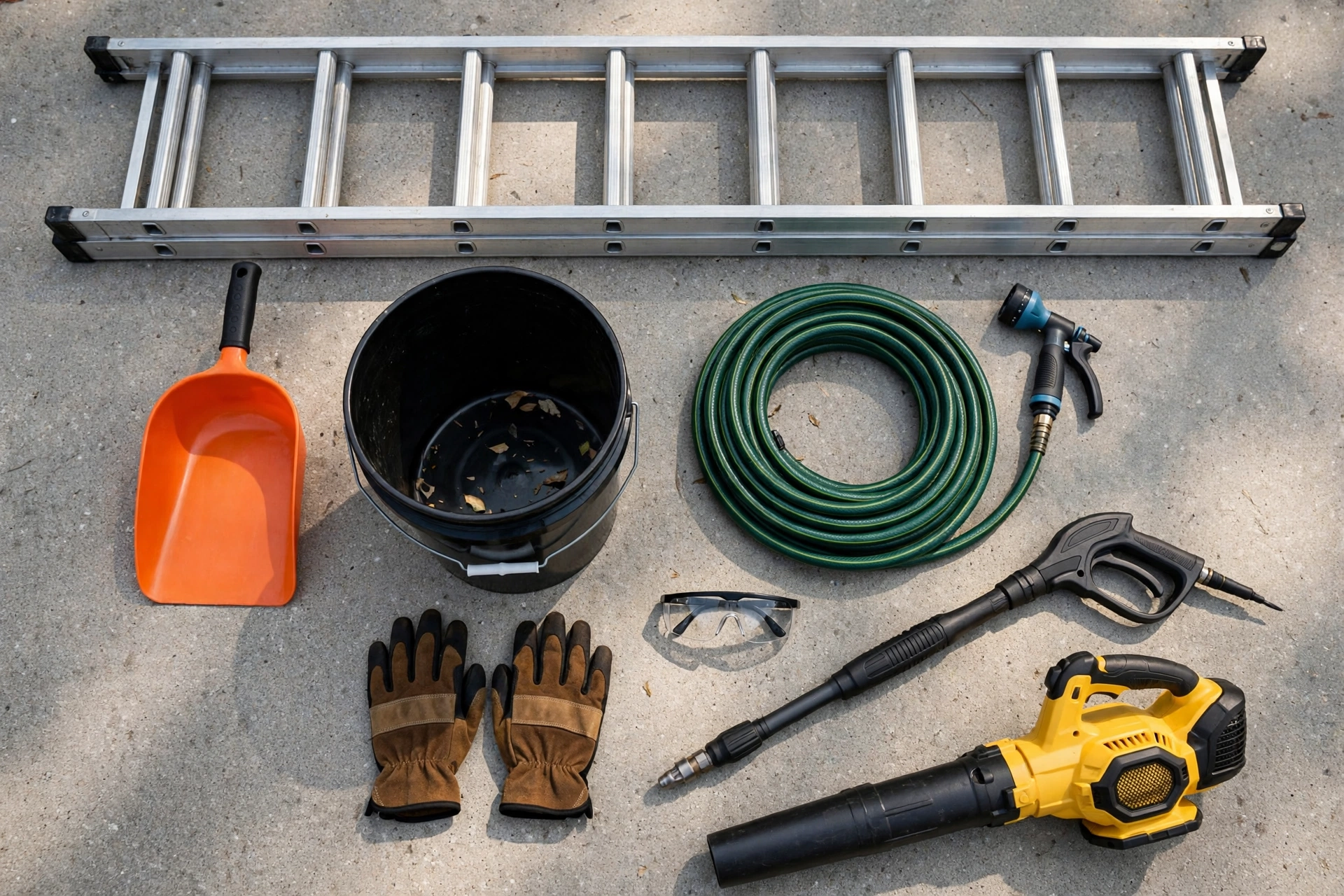
Keep your kit clean and organised. Customers notice a tidy van and well-kept tools, and it tells them you will treat their home the same way.
Step 5: Set Your Prices So You Earn a Fair Wage
Pricing worries every new cleaner, but the maths is simple. Work out your costs for one job — fuel, wear on your tools, insurance, and your time — then add your profit. Most cleaners charge by the size of the house: a small bungalow costs less than a large two-storey home with trees all around it.
A good way to start is to price three or four local jobs and compare. Call a few competitors and ask what they charge for a standard semi-detached house. Then set your prices in the same range, slightly lower while you build reviews, and never below your costs. It is better to win fewer jobs at a fair price than to be busy all week and earn nothing.
Be clear about what the price includes. Does it cover the downpipes? The tidy-up? A short report or photos of the clean gutter? Customers love before-and-after photos, and they make your price feel like good value. Always confirm the price before you start, in writing, so there are no surprises for either side.
Step 6: Find Your First Customers
Your first ten customers are the hardest to win and the most valuable. Start close to home. Tell friends, family and neighbours what you do, and ask them to pass your number on. A simple flyer through letterboxes in streets with big trees works well — keep it short, list your services, show your price range, and mention that you are insured.
Set up a free business profile on Google so local people can find you when they search. Ask every happy customer for a review, and add their kind words to your profile. One street of happy customers will bring you the next street, because neighbours talk.
Local Facebook groups are another good source of work, especially in autumn when everyone is asking for recommendations at the same time. Answer politely, give a clear price, and turn up when you say you will. Reliability is your best advert in this trade.
Residential Gutter Cleaning: Your Bread and Butter
Residential gutter cleaning is where most gutter cleaners earn their living. Houses need their gutters cleared once or twice a year, and the same customer will call you again if you did a good job. Build a list of your customers, note the date of each clean, and send a friendly reminder when the next one is due. That one habit turns single jobs into regular income.
On a house job, take your time at the corners and the joints, because that is where debris collects. Always test the downpipes by running water through them, and check the ground below for leaks after a flush. Small details like these are what customers remember — and what they mention in reviews.
Commercial Gutter Cleaning: Bigger Jobs, Steadier Work
Once you are confident on houses, commercial gutter cleaning opens up steadier work. Offices, shops, schools and warehouses all need their gutters cleared, and many want a regular contract — twice a year, every year — rather than a one-off clean.
Commercial jobs pay more, but they ask more of you. You may need a longer ladder or a water-fed pole, a written quote, and proof of insurance before you start. Some sites will ask for a simple risk assessment, which is just a short note saying how you will work safely. Do not let the paperwork put you off: it is mostly common sense written down, and it wins you jobs your competitors are too shy to chase.
Start with small shops and local offices, do an excellent job, and ask the manager who else in the area might need the same service. One good commercial client can fill your quiet weeks.
Downspout Cleaning: The Detail That Wins Repeat Work
Many new cleaners scoop the gutter and forget the downpipes. That is a mistake, because a clean gutter with a blocked downpipe still overflows. Downspout cleaning is the step that separates a careful cleaner from a careless one.
After you flush the gutter, watch the water come out of the bottom of the downpipe. If it trickles, something is stuck. A garden hose pushed gently up from the bottom, or a plumber’s snake fed down from the top, will usually clear it. Check every downpipe on the house before you pack up, and tell the customer what you found. They will remember that you checked, and they will call you again.
How to Keep Customers Coming Back
Winning a customer once is good. Keeping them for years is what builds a business. Knowing how to keep customers coming back is a skill worth learning early, and it mostly comes down to small, thoughtful habits.
First, do the job properly and leave the place tidy. Sweep up the leaves you dropped, wipe any marks off the fascia, and put the bins back where you found them. Second, send a short message after the job with a photo of the clean gutter. Customers love proof of good work, and they will show it to their neighbours. Third, remind them in six months. A simple message — “Your gutters are due a clean before the autumn rain” — brings in repeat work without any advertising cost.
Finally, be honest when you find a problem. If a gutter is cracked or a bracket is loose, say so and explain what it means. You do not have to fix everything yourself, but a customer who trusts your word will always call you first.
Mistakes New Gutter Cleaners Should Avoid
A few common mistakes catch out beginners. The first is working in bad weather. Wet ladders and strong wind are dangerous, so reschedule rather than risk a fall. The second is undercharging to win work. A price that does not cover your costs will wear you out, not build your business. The third is skipping insurance — one broken conservatory roof can cost more than a year of premiums.
Another mistake is forgetting the tidy-up. Customers judge the whole job by what their garden looks like when you leave. And the last mistake is staying silent after the job. No reminder, no message, no request for a review means the customer forgets you by the time the leaves fall again.
Frequently Asked Questions
How much money do I need to start a gutter cleaning business?
You can start with a basic kit — a good ladder, scoop, bucket, gloves, glasses and hose — for a modest sum, plus insurance and a few flyers. Most beginners spend far less than they would on a shop-based business, and they add better kit as the jobs pay for it.
Do I need experience to clean gutters?
No formal experience is needed, but you should be comfortable on a ladder and happy working outdoors. Practise on your own home and a friend’s house first, learn to work safely at height, and watch a few experienced cleaners online before your first paid job.
How often do gutters need cleaning?
Most houses need a clean once or twice a year — once in late autumn after the leaves fall, and once in spring. Houses under large trees may need three cleans a year. Commercial buildings usually follow the same rhythm, written into a regular contract.
Can I run this business part-time?
Yes. Many cleaners start at weekends while keeping another job, then go full-time once the bookings fill up. Autumn is the busiest season, so a part-time start in spring gives you time to learn the work before the rush.
What is the hardest part of gutter cleaning?
Working at height in cold or wet weather is the hardest part, along with the physical effort of climbing and carrying kit all day. Good safety habits, the right ladder, and sensible scheduling make the work far easier than it first looks.
Final Thoughts
Learning how to start a gutter cleaning business is mostly about starting small and doing the simple things well. Write a short plan, get insured, buy safe kit, price your work fairly, and look after every customer as if they will call you again — because if you do the job right, they will.
The leaves will fall again next autumn, and the rain will come again after that. A cleaner who turns up on time, works safely, and leaves a tidy garden will never be short of work. Your ladder, your tools and your reputation are all you need to begin.

How to Start a Gutter Cleaning Business: Simple Steps That Turn Your Ladder Into Income

How to Start a House Painting Business: Simple Steps That Turn Your Painting Skills Into Income

How to Start a Window Cleaning Business: Simple Steps That Turn Your Skills Into Income

How to Start a Pet Grooming Business: Simple Steps That Turn Your Love of Animals Into Income

How to Start a Car Detailing Business: Simple Steps That Turn Your Skills Into Income

How to Start a Pressure Washing Business: A Simple Guide That Gets You Your First Customers

How to Start a Lawn Mowing Business: Simple Steps That Turn Mowing Into Income

How to Start a Dog Walking Business: Simple Steps That Turn Walks Into Income

How to Start a House Cleaning Business: Simple Steps That Win Your First Clients

How to Pay Employees in Your Small Business: Simple Steps That Get It Right

How to Repurpose Blog Content for Social Media Without Starting From Scratch

How to Write a Simple Business Plan for Your Small Business: A Practical Guide That Gets You Started

How to Create a Small Business Content Marketing Plan That Actually Gets Results
How to Handle Customer Complaints in a Small Business: A Calm, Practical Guide That Turns Problems Into Loyalty

How to Get More Clients for Your Business: Simple Ways That Actually Work
How to Create a Content Calendar for a Small Business

How to Write a Professional Business Email That Gets a Reply
How to Set Up a Simple Referral Program for Your Small Business: A Beginner’s Guide That Brings in New Customers

How to Set SMART Goals for a Small Business: A Practical Guide That Actually Works

Branding Tips for Small Businesses: A Simple Guide That Makes You Memorable
How to Start a Gutter Cleaning Business: Simple Steps That Turn Your Ladder Into Income
How to Start a House Painting Business: Simple Steps That Turn Your Painting Skills Into Income
How to Start a Window Cleaning Business: Simple Steps That Turn Your Skills Into Income
How to Start a Pet Grooming Business: Simple Steps That Turn Your Love of Animals Into Income
How to Start a Car Detailing Business: Simple Steps That Turn Your Skills Into Income
How to Start a Pressure Washing Business: A Simple Guide That Gets You Your First Customers
How to Start a Lawn Mowing Business: Simple Steps That Turn Mowing Into Income
How to Start a Dog Walking Business: Simple Steps That Turn Walks Into Income
How to Start a House Cleaning Business: Simple Steps That Win Your First Clients
How to Pay Employees in Your Small Business: Simple Steps That Get It Right

 entertainment1 year ago
PYT Telegram: A Complete Guide to Understanding, Using, and Maximizing It

 entertainment1 year ago
OnionFlix: Everything You Need to Know About This Streaming Website
- education1 year ago
How to Become a Software Engineer: A Complete Guide
- others1 year ago
Nook vs Kindle: Which E-Reader Is Right for You?





