others
Scorpion Fish – The Venomous Master of Camouflage

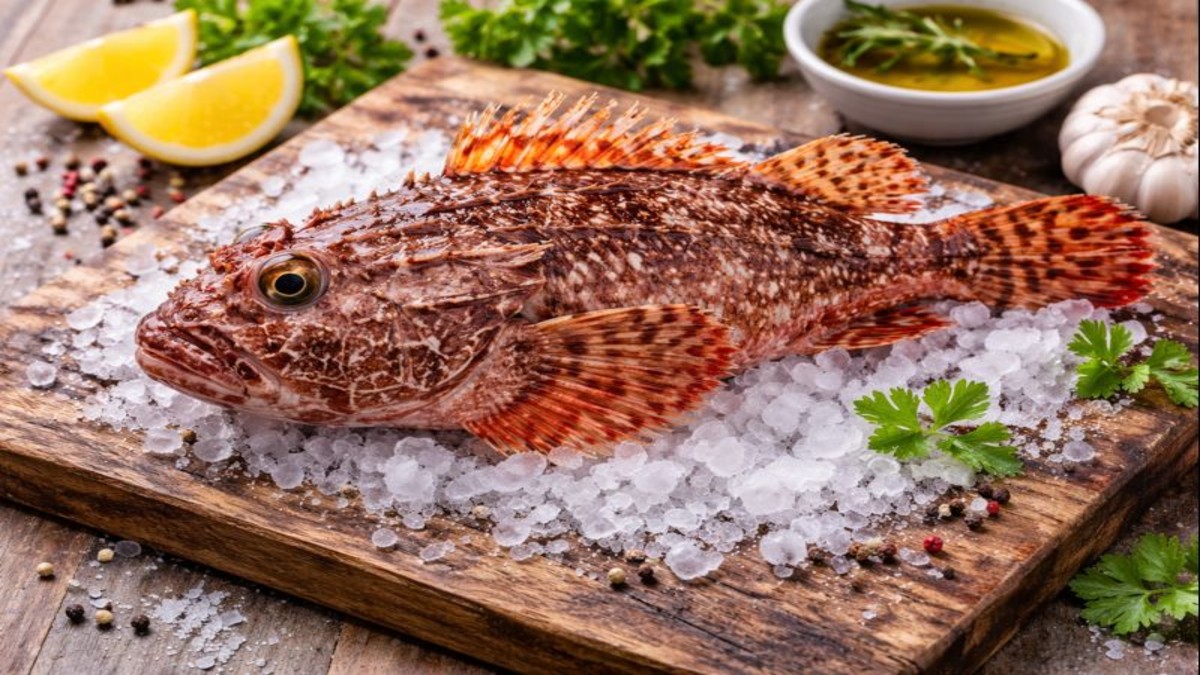
Introduction to Scorpion Fish
What Is a Scorpion Fish?
Scorpion fish are some of the ocean’s most fascinating and misunderstood creatures. Known for their venomous spines and incredible camouflage, these fish belong to the family Scorpaenidae. At first glance, they look like harmless rocks or coral fragments, but don’t be fooled—this disguise hides a powerful predator.
Why Is It So Well Known?
The scorpion fish is famous for two things: its venom and its ability to blend seamlessly into its surroundings. Divers often pass by one without realizing it’s even there.
Scientific Classification
Family and Genus
Scorpion fish are part of the Scorpaenidae family, which includes over 300 species found worldwide.
Relationship With Stonefish and Lionfish
They are closely related to stonefish and lionfish. While stonefish are more venomous and lionfish more colorful, scorpion fish sit right in the middle—deadly yet discreet.
Physical Appearance
Unique Body Structure
Scorpion fish have stocky bodies, large heads, and rough, textured skin. Their dorsal fins contain sharp venomous spines used purely for defense.
Colors, Spines, and Camouflage
Their colors range from red and brown to yellow and green. This variety helps them mimic coral reefs, algae, or seabeds like a natural invisibility cloak.
Natural Habitat
Where Scorpion Fish Live
Scorpion fish are found in tropical and temperate oceans, especially in the Indo-Pacific and Atlantic regions.
Preferred Water Conditions
They prefer shallow reefs, rocky bottoms, and sandy seabeds where camouflage works best.
Behavior and Lifestyle
Ambush Predator Strategy
Instead of chasing prey, scorpion fish wait patiently. When a small fish swims by, they strike in a split second.
Daily Activity Patterns
They are mostly nocturnal, becoming more active at night when prey is abundant.
Venom and Defense Mechanism
How the Venom Works
Venom glands are located at the base of their spines. When threatened or stepped on, the spines inject venom instantly.
Effects on Humans
A sting can cause intense pain, swelling, and nausea. While rarely fatal, medical attention is strongly recommended.
Diet and Feeding Habits
What Do Scorpion Fish Eat?
Their diet includes small fish, shrimp, crabs, and other crustaceans.
Hunting Techniques
They rely on lightning-fast suction feeding—opening their mouths so quickly that prey is pulled in like a vacuum.
Reproduction and Life Cycle
Mating Behavior
During spawning, females release eggs in gelatinous masses that float until they hatch.
Growth and Development
Larvae drift with ocean currents before settling onto reefs and developing their signature camouflage.
Scorpion Fish in Human Culture
Culinary Uses
In some cultures, scorpion fish is considered a delicacy, especially in Mediterranean and Asian cuisines.
Traditional Beliefs
Historically, fishermen viewed scorpion fish with fear and respect due to its venomous reputation.
Edibility and Safety
Is Scorpion Fish Safe to Eat?
Yes, when prepared correctly. The venom is only in the spines and becomes harmless once removed.
Proper Preparation Methods
Professional handling is essential. Chefs carefully remove spines before cooking the fish.
Ecological Importance
Role in Marine Ecosystems
Scorpion fish help control populations of smaller reef fish, maintaining ecological balance.
Predator-Prey Balance
They are both predator and prey, serving as food for larger marine animals.
Conservation Status
Threats to Scorpion Fish
Habitat destruction, coral reef damage, and overfishing pose threats to some species.
Conservation Efforts
Marine protected areas and reef conservation indirectly support scorpion fish populations.
Differences Between Scorpion Fish and Stonefish
Key Identification Points
Stonefish are bulkier and more venomous, while scorpion fish are slimmer with more decorative fins.
Interesting Facts About Scorpion Fish
- They can remain motionless for hours.
- Some species can change color slightly.
- Their venom is heat-sensitive.
Conclusion
Scorpion fish are a perfect blend of beauty, danger, and intelligence. With their rock-like camouflage and venomous defense, they prove that survival in the ocean isn’t always about speed—it’s about strategy. Whether admired by divers or respected by fishermen, the scorpion fish remains one of the sea’s most remarkable creatures.
FAQs
1. Are scorpion fish deadly to humans?
No, their venom is painful but rarely fatal with proper treatment.
2. Can you eat scorpion fish safely?
Yes, if the venomous spines are removed correctly.
3. Where are scorpion fish most commonly found?
They are common in coral reefs of tropical and temperate oceans.
4. How do scorpion fish camouflage themselves?
Their color and texture mimic rocks, coral, and seaweed.
5. What should you do if stung by a scorpion fish?
Seek medical attention immediately and immerse the area in hot water.

Consultative Selling Techniques: A Complete Guide to Building Customer Trust in 2026

Sales Objection Handling: A Complete Guide to Closing More Deals in 2026

Customer Closing Techniques: A Complete Guide to Converting Prospects into Buyers (2026)

Customer Conversion Process: A Complete Guide to Turning Visitors into Loyal Customers (2026)

Sales Funnel Examples: A Complete Guide to Converting More Customers (2026)

Lead Qualification Framework: A Complete Guide to Finding High-Quality Customers (2026)

Website Credibility Factors: A Complete Guide to Building Trust Online (2026)

Online Reputation Monitoring: A Complete Guide to Protecting Your Brand in 2026

Customer Testimonial Strategy: A Complete Guide to Building Trust and Increasing Sales (2026)

Business Storytelling Framework: A Complete Guide to Building Strong Brand Connections (2026)
Consultative Selling Techniques: A Complete Guide to Building Customer Trust in 2026
Sales Objection Handling: A Complete Guide to Closing More Deals in 2026
Customer Closing Techniques: A Complete Guide to Converting Prospects into Buyers (2026)
Customer Conversion Process: A Complete Guide to Turning Visitors into Loyal Customers (2026)
Sales Funnel Examples: A Complete Guide to Converting More Customers (2026)
Lead Qualification Framework: A Complete Guide to Finding High-Quality Customers (2026)
Website Credibility Factors: A Complete Guide to Building Trust Online (2026)
Online Reputation Monitoring: A Complete Guide to Protecting Your Brand in 2026
Customer Testimonial Strategy: A Complete Guide to Building Trust and Increasing Sales (2026)
Business Storytelling Framework: A Complete Guide to Building Strong Brand Connections (2026)

 entertainment1 year ago
PYT Telegram: A Complete Guide to Understanding, Using, and Maximizing It

 entertainment1 year ago
OnionFlix: Everything You Need to Know About This Streaming Website
- education1 year ago
How to Become a Software Engineer: A Complete Guide
- others12 months ago
Nook vs Kindle: Which E-Reader Is Right for You?