others
Nickel Silver – The Shiny Alloy That Isn’t Really Silver

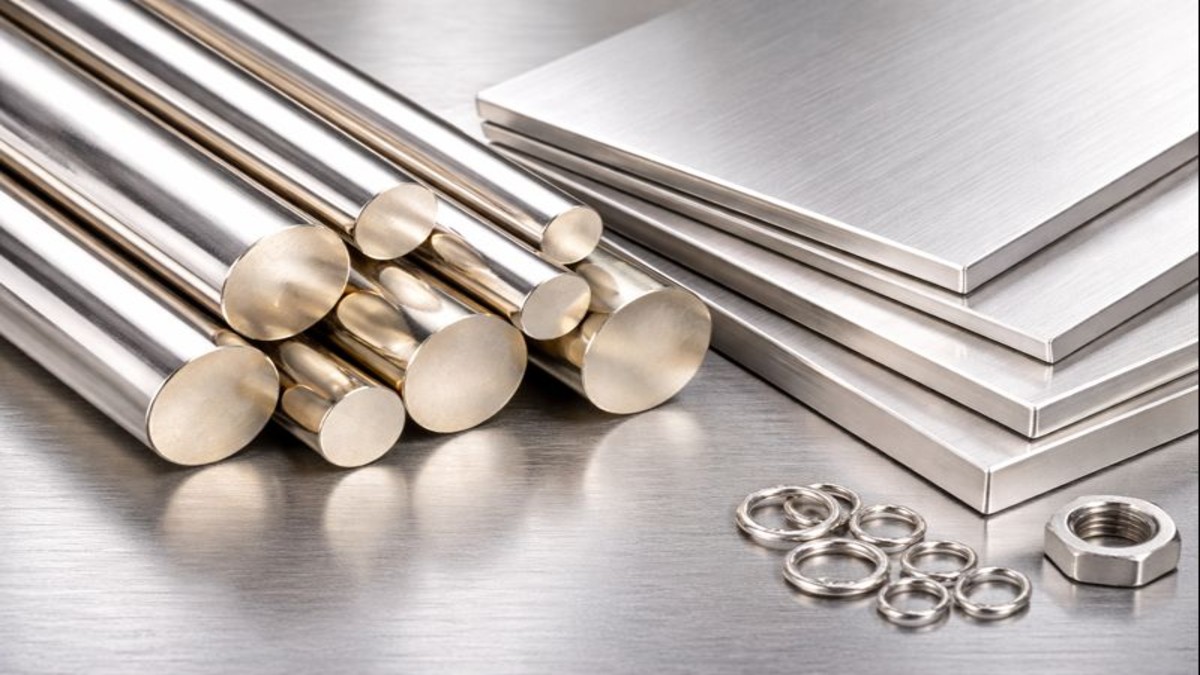
Introduction to Nickel Silver
Ever bought something that looked like silver but cost a fraction of the price? Chances are, it was made of nickel silver. Don’t let the name fool you—there’s not a single atom of real silver in it.
What Is Nickel Silver?
Nickel silver is an alloy made primarily from copper, nickel, and zinc. It’s famous for its bright, silvery appearance, making it a popular substitute for genuine silver in everything from jewelry to musical instruments.
Why the Name Is So Confusing
Back in the day, marketers needed a catchy term to sell this shiny metal. “Nickel silver” sounded premium—and it stuck, even though it contains zero silver.
The History of Nickel Silver
Origins in Ancient China
The story begins in China, where a similar alloy called paktong was used centuries ago. Europeans loved its look and tried to replicate it.
Introduction to Europe
By the 18th century, European metallurgists cracked the formula, and nickel silver quickly gained popularity.
Industrial Boom in the 19th Century
During the Industrial Revolution, this alloy became the go-to metal for affordable luxury goods.
Composition of Nickel Silver
Main Elements – Copper, Nickel, Zinc
The magic lies in the mix:
- Copper gives strength and workability
- Nickel adds hardness and shine
- Zinc improves corrosion resistance
Typical Alloy Ratios
A common formula looks like this:
- Copper: 60–65%
- Nickel: 10–20%
- Zinc: 15–25%
Physical and Chemical Properties
Appearance and Color
It has a clean, white-silver tone that often fools even experts.
Strength and Durability
Nickel silver is tougher than pure silver, which scratches easily.
Corrosion Resistance
It resists tarnish better than many metals, especially in dry conditions.
How Nickel Silver Is Manufactured
Melting and Alloying Process
The metals are melted in a furnace and blended into a molten alloy.
Rolling, Casting, and Finishing
After cooling, the metal is rolled into sheets or cast into shapes, then polished to that iconic shine.
Common Uses of Nickel Silver
Jewelry and Decorative Items
Bracelets, rings, costume jewelry—it’s everywhere.
Musical Instruments
Ever seen the shiny keys on a saxophone? That’s nickel silver.
Cutlery and Kitchenware
Affordable, attractive, and durable—perfect combo.
Electronics and Engineering Components
Its conductivity and strength make it ideal for connectors and springs.
Nickel Silver vs Sterling Silver
Key Differences
| Feature | Nickel Silver | Sterling Silver |
|---|---|---|
| Contains real silver | ❌ No | ✅ Yes |
| Price | Low | High |
| Tarnish rate | Low | High |
| Hardness | High | Medium |
Which One Should You Choose?
Want beauty on a budget? Go nickel silver. Want luxury and value retention? Choose sterling.
Advantages of Nickel Silver
Cost-Effectiveness
It delivers a silver-like appearance at a fraction of the cost.
Maintenance Benefits
Less polishing, more wearing. Who doesn’t love low-maintenance metals?
Disadvantages and Health Concerns
Nickel Allergies
Some people develop skin reactions. If your skin gets itchy, this might be the reason.
Environmental Considerations
Nickel mining can be environmentally taxing, so recycling is key.
Caring for Nickel Silver Products
Cleaning Tips
- Use mild soap and warm water
- Dry immediately to avoid water spots
Storage Best Practices
Store in a dry place, preferably wrapped in soft cloth.
Market Trends and Future Scope
Demand in Modern Manufacturing
With rising silver prices, nickel silver is becoming the smart alternative across industries.
✅ Conclusion
Nickel silver is the unsung hero of the metal world. It looks stunning, costs little, and performs like a champ. Whether it’s in your jewelry box or inside your guitar, this alloy quietly proves that you don’t need real silver to shine.
❓ FAQs
1. Is nickel silver real silver?
No, it contains no silver at all.
2. Can nickel silver tarnish?
Yes, but far slower than sterling silver.
3. Is nickel silver safe for skin?
Mostly, but nickel-sensitive people should avoid it.
4. Why is nickel silver so popular?
Because it looks premium without the premium price.
5. Can nickel silver be recycled?
Absolutely—and it should be.

Consultative Selling Techniques: A Complete Guide to Building Customer Trust in 2026

Sales Objection Handling: A Complete Guide to Closing More Deals in 2026

Customer Closing Techniques: A Complete Guide to Converting Prospects into Buyers (2026)

Customer Conversion Process: A Complete Guide to Turning Visitors into Loyal Customers (2026)

Sales Funnel Examples: A Complete Guide to Converting More Customers (2026)

Lead Qualification Framework: A Complete Guide to Finding High-Quality Customers (2026)

Website Credibility Factors: A Complete Guide to Building Trust Online (2026)

Online Reputation Monitoring: A Complete Guide to Protecting Your Brand in 2026

Customer Testimonial Strategy: A Complete Guide to Building Trust and Increasing Sales (2026)

Business Storytelling Framework: A Complete Guide to Building Strong Brand Connections (2026)
Consultative Selling Techniques: A Complete Guide to Building Customer Trust in 2026
Sales Objection Handling: A Complete Guide to Closing More Deals in 2026
Customer Closing Techniques: A Complete Guide to Converting Prospects into Buyers (2026)
Customer Conversion Process: A Complete Guide to Turning Visitors into Loyal Customers (2026)
Sales Funnel Examples: A Complete Guide to Converting More Customers (2026)
Lead Qualification Framework: A Complete Guide to Finding High-Quality Customers (2026)
Website Credibility Factors: A Complete Guide to Building Trust Online (2026)
Online Reputation Monitoring: A Complete Guide to Protecting Your Brand in 2026
Customer Testimonial Strategy: A Complete Guide to Building Trust and Increasing Sales (2026)
Business Storytelling Framework: A Complete Guide to Building Strong Brand Connections (2026)

 entertainment1 year ago
PYT Telegram: A Complete Guide to Understanding, Using, and Maximizing It

 entertainment1 year ago
OnionFlix: Everything You Need to Know About This Streaming Website
- education1 year ago
How to Become a Software Engineer: A Complete Guide
- others12 months ago
Nook vs Kindle: Which E-Reader Is Right for You?