food
Ananas Fruit Tree (Pineapple Plant): Complete Guide to Growing, Benefits, and Care

Introduction to the Ananas Fruit Tree
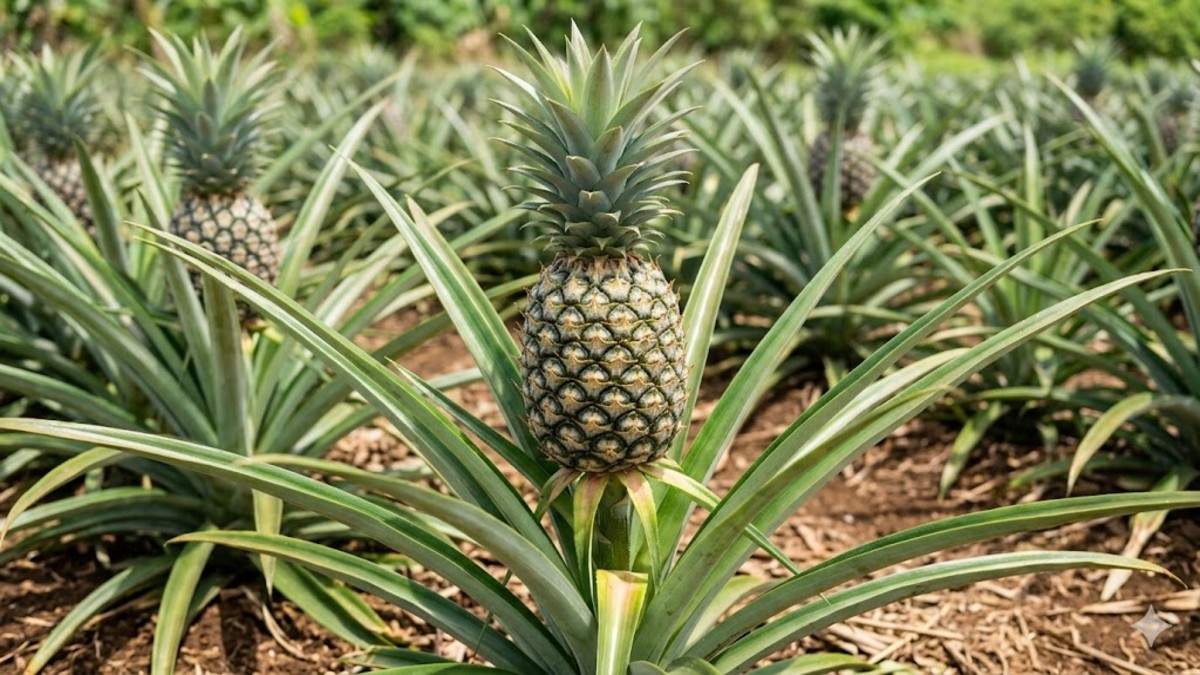
The Ananas fruit tree, commonly known as the pineapple plant, is one of the most fascinating tropical fruit plants in the world. Although people often refer to it as a tree, the pineapple actually grows on a herbaceous perennial plant, not a traditional tree. It belongs to the bromeliad family and produces the well-known sweet fruit loved worldwide.
The scientific name of pineapple is Ananas comosus, and it is widely cultivated in tropical and subtropical regions. The fruit is famous for its refreshing taste, high vitamin content, and versatility in cooking. Pineapple is eaten fresh, canned, juiced, or added to dishes ranging from desserts to savory meals.
Today, pineapple cultivation is an important agricultural activity in many countries, including Costa Rica, Brazil, India, Thailand, and China, which are among the major producers.
Understanding the ananas fruit plant, its growth cycle, and cultivation methods helps gardeners and farmers grow healthy plants and enjoy abundant harvests.
Scientific Classification of Ananas
Botanical Name and Family
The pineapple plant belongs to the botanical classification below:
| Category | Classification |
|---|---|
| Kingdom | Plantae |
| Family | Bromeliaceae |
| Genus | Ananas |
| Species | Ananas comosus |
Unlike typical fruit trees, pineapple plants grow as rosette-shaped herbaceous plants with long spiky leaves.
Origin and Natural Habitat
The origin of pineapple is believed to be tropical regions of South America, especially the Paraguay–Brazil region. From there, the fruit spread worldwide through explorers and traders.
During the 16th century, the Portuguese helped introduce pineapple cultivation to Africa, India, and other tropical countries. Over time, it became a major commercial fruit crop across the tropics.
Physical Characteristics of the Pineapple Plant
Leaves and Stem Structure
The pineapple plant typically grows 1 to 1.5 meters tall and has a short, thick central stem surrounded by stiff, narrow leaves.
Key plant features include:
- 30–40 long, spiny leaves
- Waxy, thick leaf surface to retain water
- A compact rosette arrangement around the stem
These leaves help the plant survive in hot tropical climates, where moisture conservation is important.
Flower Formation
After about 12–20 months of growth, the pineapple plant produces a flower spike. This spike contains 100 or more small purple flowers arranged spirally around the stalk.
Each flower eventually contributes to the formation of the pineapple fruit.
Fruit Development
The pineapple fruit is unique because it is actually a multiple fruit formed when many small flowers fuse together.
The fruit usually weighs 1–2 kg, depending on the variety and growing conditions.
Growing Conditions for Ananas Fruit Tree
Ideal Climate
Pineapple plants thrive in warm tropical climates. The ideal temperature range is between 22°C and 26°C, though they can tolerate slightly higher temperatures.
Favorable conditions include:
- High humidity
- Moderate rainfall
- Frost-free environment
Cold temperatures can slow growth and reduce fruit quality.
Soil Requirements
Pineapple plants prefer well-drained sandy or loamy soils with a slightly acidic pH of 5 to 6.
Poor drainage can cause root rot, which damages the plant and reduces yield.
Water and Sunlight Needs
Pineapples require:
- Full sunlight
- Moderate watering
- Good drainage
Although the plant is somewhat drought tolerant, consistent moisture improves fruit production.
Methods of Propagation
Pineapple plants are rarely grown from seeds. Instead, they are propagated through vegetative parts of the plant.
Growing from Crown
The crown is the leafy top of a pineapple fruit. Home gardeners often plant the crown in soil to grow a new plant.
Steps include:
- Remove the crown from the fruit.
- Let it dry for a few days.
- Plant it in well-drained soil.
This method can take over two years to produce fruit.
Conclusion
The ananas fruit tree, or pineapple plant, is a remarkable tropical crop valued for its sweet taste, nutritional benefits, and economic importance. Although often mistaken for a tree, pineapple grows as a compact herbaceous plant with unique flowering and fruit formation.
With proper climate, well-drained soil, and sufficient sunlight, pineapple plants can thrive both in farms and home gardens. Their relatively simple propagation methods make them accessible to beginners, while commercial cultivation continues to support global fruit markets.
Whether you grow it in your backyard or enjoy it in tropical dishes, the pineapple plant remains one of the most iconic and rewarding fruit crops in the world.
FAQs
1. Is the pineapple plant a tree?
No. Pineapple grows on a herbaceous perennial plant, not a tree.
2. What is the scientific name of pineapple?
The scientific name of pineapple is Ananas comosus.
3. How long does it take for a pineapple plant to produce fruit?
Most pineapple plants produce fruit in 15–22 months after planting.
4. Can pineapple grow in pots?
Yes. Pineapple plants grow well in containers or pots if they receive enough sunlight and drainage.
5. How many fruits does one pineapple plant produce?
Usually one fruit per plant, although side shoots can grow and produce additional fruits later.

Cold Storage Compliance: What Businesses Often Miss

Pet Peeves: Meaning, Examples, and Why Small Annoyances Matter

Ananas Fruit Tree (Pineapple Plant): Complete Guide to Growing, Benefits, and Care

Ghost Pepper: Heat Level, Uses, Benefits, and Safety Guide

Bocce Ball: Complete Guide to Rules, History, Equipment, and How to Play

Animals Arthropods: The Most Diverse Group in the Animal Kingdom

Rebates: Meaning, Types, Benefits, and How They Work

Read OPM Manga Online: Where and How to Enjoy One Punch Man Legally

What Is a Folder? A Complete Guide to Its Purpose and Uses

Why Every Small Business Needs a Digital Marketing Agency

Incestflox: Exploring Controversial Narratives and Online Discourse

Smut Book Meaning: Everything You Need to Know About This Steamy Genre

Libélula: The Enchanting Dragonfly and Its Symbolic Power

Sarkari Network: Everything You Need to Know

Zoology Project Topics: Creative Ideas & FAQs for Students

Lucipara Islands: Indonesia’s Untouched Paradise

Torcia: Lighting the Way – From Ancient Flames to Modern Innovation

The Ultimate Guide to SEOs: Everything You Need to Know
Read OPM Manga Online: Where and How to Enjoy One Punch Man Legally

Technisches Gymnasium: Your Gateway to Engineering and Technology
Cold Storage Compliance: What Businesses Often Miss
Pet Peeves: Meaning, Examples, and Why Small Annoyances Matter
Ananas Fruit Tree (Pineapple Plant): Complete Guide to Growing, Benefits, and Care
Ghost Pepper: Heat Level, Uses, Benefits, and Safety Guide
Bocce Ball: Complete Guide to Rules, History, Equipment, and How to Play
Animals Arthropods: The Most Diverse Group in the Animal Kingdom
Rebates: Meaning, Types, Benefits, and How They Work
Read OPM Manga Online: Where and How to Enjoy One Punch Man Legally
What Is a Folder? A Complete Guide to Its Purpose and Uses
Why Every Small Business Needs a Digital Marketing Agency

 entertainment6 months ago
PYT Telegram: A Complete Guide to Understanding, Using, and Maximizing It

 entertainment7 months ago
OnionFlix: Everything You Need to Know About This Streaming Website
- others5 months ago
Nook vs Kindle: Which E-Reader Is Right for You?
- gaming7 months ago
Melisandre: The Enigmatic Priestess of Game of Thrones