animal
Baby Swan: A Gentle Introduction to Cygnets

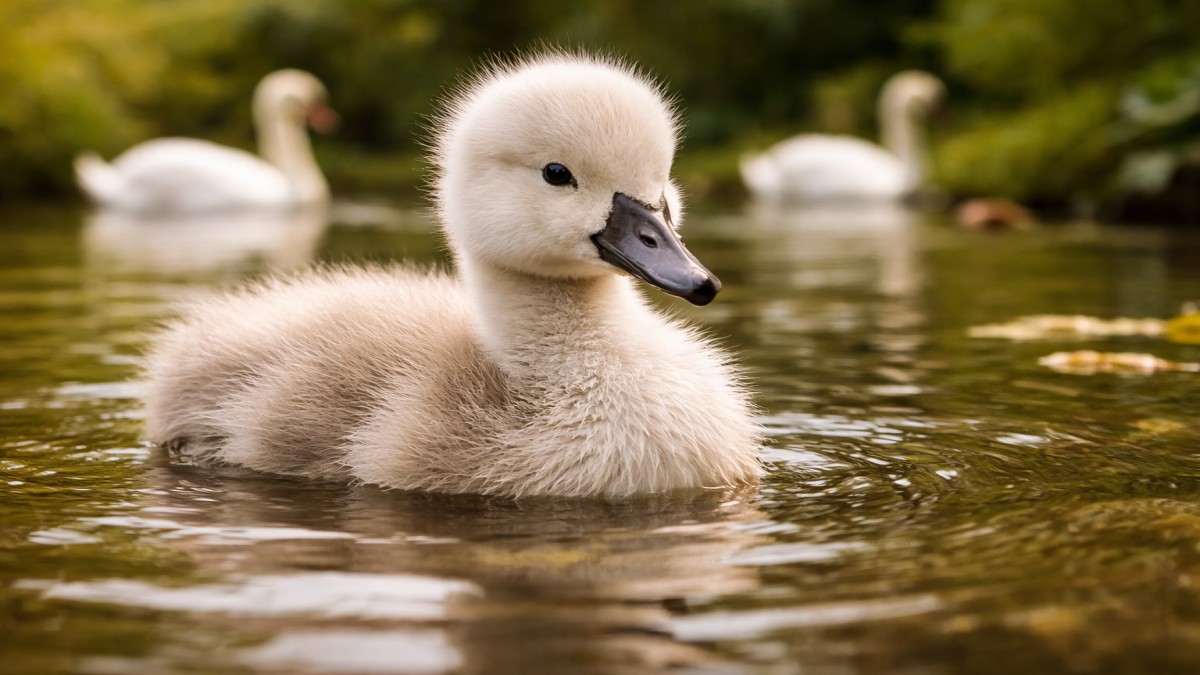
Baby swans, commonly known as cygnets, are among the most charming and graceful young birds in the natural world. With their soft gray or white down feathers and clumsy movements, cygnets capture the hearts of bird lovers and nature enthusiasts alike. As the young of one of the largest flying birds, baby swans represent beauty, growth, and the delicate balance of wetland ecosystems.
This article explores everything you need to know about baby swans, including their appearance, behavior, habitat, diet, development stages, and role in nature.
What Is a Baby Swan Called?
A baby swan is called a cygnet. The word comes from the Old French term cigne, meaning swan. Cygnets are born from eggs laid by adult swans and are cared for intensively by their parents during early life.
Unlike many bird species, swans are devoted parents, and cygnets benefit from strong family bonds that help them survive in the wild.
Appearance of a Baby Swan
Baby swans look very different from adult swans:
- Feathers: Cygnets are born covered in soft, fluffy down, usually gray or pale brown. Some species may appear cream or off-white.
- Beak: Their beaks are short and dull-colored, often gray or pinkish, lacking the bright orange or black markings of adults.
- Size: At birth, cygnets are small, but they grow rapidly during their first few months.
As they mature, their fluffy down is gradually replaced by juvenile feathers, and their color changes depending on the swan species.
Swan Species and Their Cygnets
Different swan species have slightly different cygnets:
- Mute Swan: Cygnets are gray or light brown and later turn white.
- Whooper Swan: Cygnets are grayish with black beaks that turn yellow as they mature.
- Trumpeter Swan: Cygnets are gray with pinkish beaks.
- Black Swan: Cygnets are gray and later develop black feathers.
Despite these differences, all cygnets share similar early behaviors and care patterns.
Where Baby Swans Live
Baby swans are typically found in freshwater habitats, including:
- Lakes
- Ponds
- Rivers
- Wetlands
- Marshes
Swans build large nests near water using reeds, grasses, and aquatic plants. These nests provide safety and warmth for the eggs and newly hatched cygnets.
Hatching and Early Life
A swan’s breeding season usually begins in spring. The female lays between 4 to 7 eggs, which are incubated for about 35 to 41 days.
Once hatched:
- Cygnets can swim within hours
- They stay close to their parents
- Parents aggressively protect them from predators
It is common to see cygnets riding on their parents’ backs during their early days, a behavior that helps keep them safe and warm.
Diet of a Baby Swan
Cygnets start feeding very early, learning by observing their parents. Their diet mainly consists of:
- Aquatic plants
- Algae
- Grass
- Small insects
- Tiny aquatic animals
Parents help by stirring up water plants, making food easier for cygnets to access. A healthy diet is essential for fast growth and strong feather development.
Growth and Development
Baby swans grow quickly:
- First Month: Rapid increase in size, strong swimming ability
- 2–3 Months: Juvenile feathers replace down
- 4–6 Months: Nearly adult size, learning to fly
- 1 Year: Sexual maturity begins
Although cygnets may look like adults within months, they usually stay with their parents until the next breeding season.
Behavior and Social Life
Cygnets are social and curious birds. Common behaviors include:
- Following parents closely
- Practicing wing flapping
- Gentle pecking while learning to forage
- Vocalizing softly to communicate
Swans are known for forming strong family units, and cygnets benefit from protection and guidance during their early months.
Predators and Threats
Despite parental protection, baby swans face many dangers:
- Foxes
- Raccoons
- Large birds of prey
- Snapping turtles
- Pollution and habitat destruction
Human activities such as boating, littering, and feeding inappropriate foods can also pose risks to cygnets.
Conclusion
Baby swans, or cygnets, are a beautiful symbol of new life in nature. From their fluffy appearance to their close bond with parents, cygnets represent care, growth, and resilience. Understanding their needs and protecting their habitats ensures that future generations can continue to enjoy the graceful presence of swans in the wild.
By respecting wildlife and preserving natural wetlands, humans can help baby swans thrive and maintain the delicate balance of aquatic ecosystems.
FAQs About Baby Swans
1. What is a baby swan called?
A baby swan is called a cygnet.
2. How long do baby swans stay with their parents?
Cygnets usually stay with their parents for up to one year.
3. Can baby swans swim immediately after hatching?
Yes, cygnets can swim within hours of hatching.
4. What should you not feed baby swans?
Avoid feeding bread, as it lacks nutrients and can harm their health.
5. Are baby swans born white?
Most cygnets are born gray or brown and turn white as they mature, depending on species.

Gold Shower: Nature’s Cascading Yellow Wonder

Best Dry Shampoo – The Complete Guide for Fresh Hair Without Washing

Angora Cats Splendor – Discover the Majesty of This Elegant Breed

The Indian Bow: A Legacy of Precision, Power, and Tradition

Hydrating Mask for Skin: The Ultimate Guide to Deep Moisture and Glowing Complexion

Brown Sneakers: The Ultimate Style Guide for Timeless Comfort and Versatility

Robert Provost: A Life of Leadership, Community, and Vision

Microneedling at Home: A Complete Guide to Safe and Effective DIY Skin Rejuvenation

Nail Shapes – The Ultimate Guide to Finding Your Perfect Style

Understanding Pyrometers: The Ultimate Guide to High-Temperature Measurement

Incestflox: Exploring Controversial Narratives and Online Discourse

Cozey: Revolutionizing Home Comfort One Sofa at a Time

Libélula: The Enchanting Dragonfly and Its Symbolic Power

Smut Book Meaning: Everything You Need to Know About This Steamy Genre
Sarkari Network: Everything You Need to Know

WJBD News: Keeping South Central Illinois Informed and Connected
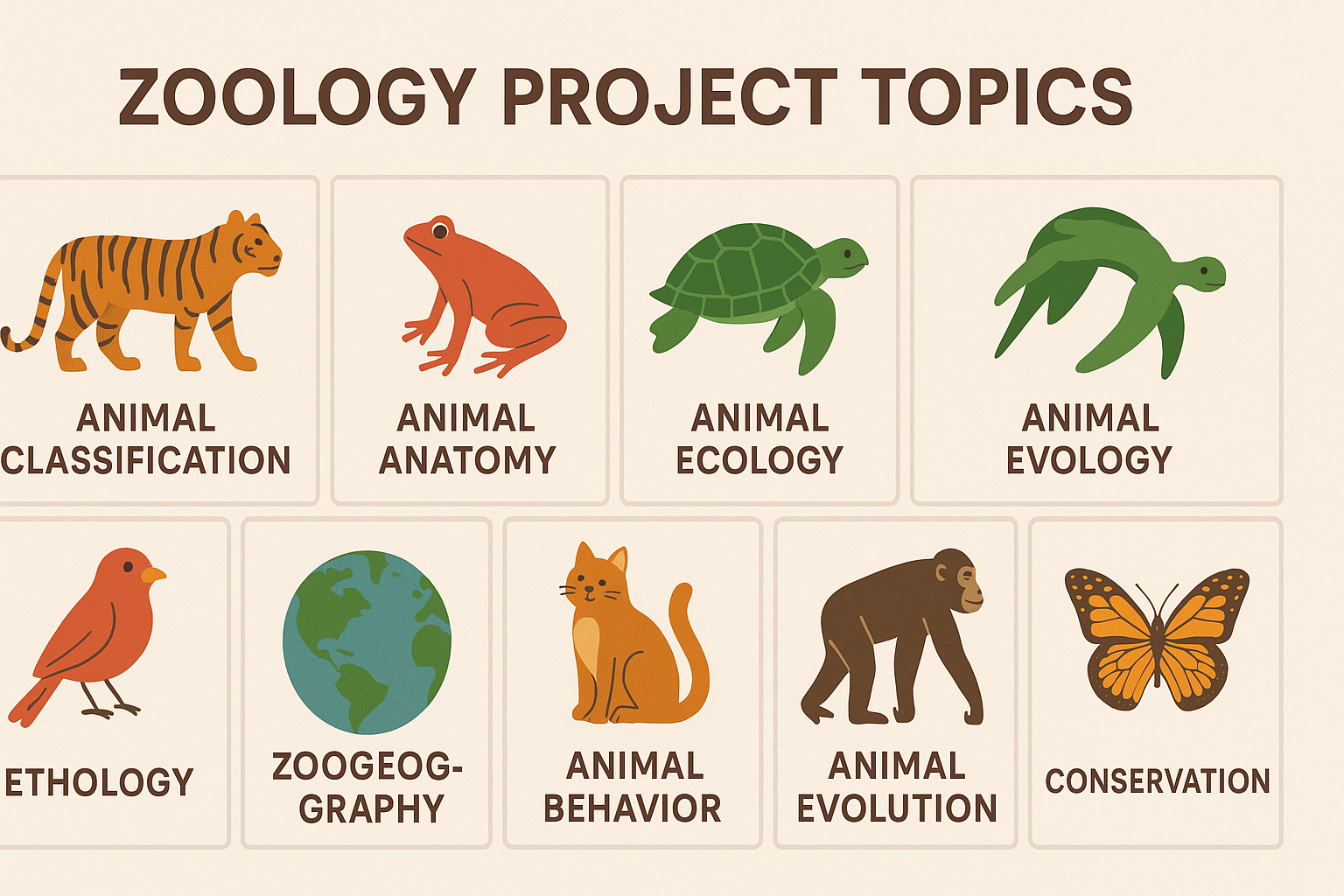
Zoology Project Topics: Creative Ideas & FAQs for Students

Rapture Ready News: Interpreting Today’s Headlines Through a Prophetic Lens

Lucipara Islands: Indonesia’s Untouched Paradise

The Ultimate Guide to SEOs: Everything You Need to Know
Gold Shower: Nature’s Cascading Yellow Wonder
Best Dry Shampoo – The Complete Guide for Fresh Hair Without Washing
Angora Cats Splendor – Discover the Majesty of This Elegant Breed
The Indian Bow: A Legacy of Precision, Power, and Tradition
Hydrating Mask for Skin: The Ultimate Guide to Deep Moisture and Glowing Complexion
Brown Sneakers: The Ultimate Style Guide for Timeless Comfort and Versatility
Robert Provost: A Life of Leadership, Community, and Vision
Microneedling at Home: A Complete Guide to Safe and Effective DIY Skin Rejuvenation
Nail Shapes – The Ultimate Guide to Finding Your Perfect Style
Understanding Pyrometers: The Ultimate Guide to High-Temperature Measurement

 entertainment6 months ago
PYT Telegram: A Complete Guide to Understanding, Using, and Maximizing It

 entertainment7 months ago
OnionFlix: Everything You Need to Know About This Streaming Website
- others5 months ago
Nook vs Kindle: Which E-Reader Is Right for You?
- gaming7 months ago
Melisandre: The Enigmatic Priestess of Game of Thrones