Health
Buck Teeth: Causes, Effects, Treatment Options, and Myths Explained

Buck teeth are one of the most commonly discussed dental traits, yet they’re often misunderstood. Some people see them as a charming feature, while others worry about health, speech, or appearance. Whether you’re curious, concerned, or considering treatment, this guide covers everything you need to know about buck teeth in a clear, practical, and judgment-free way.
What Are Buck Teeth?
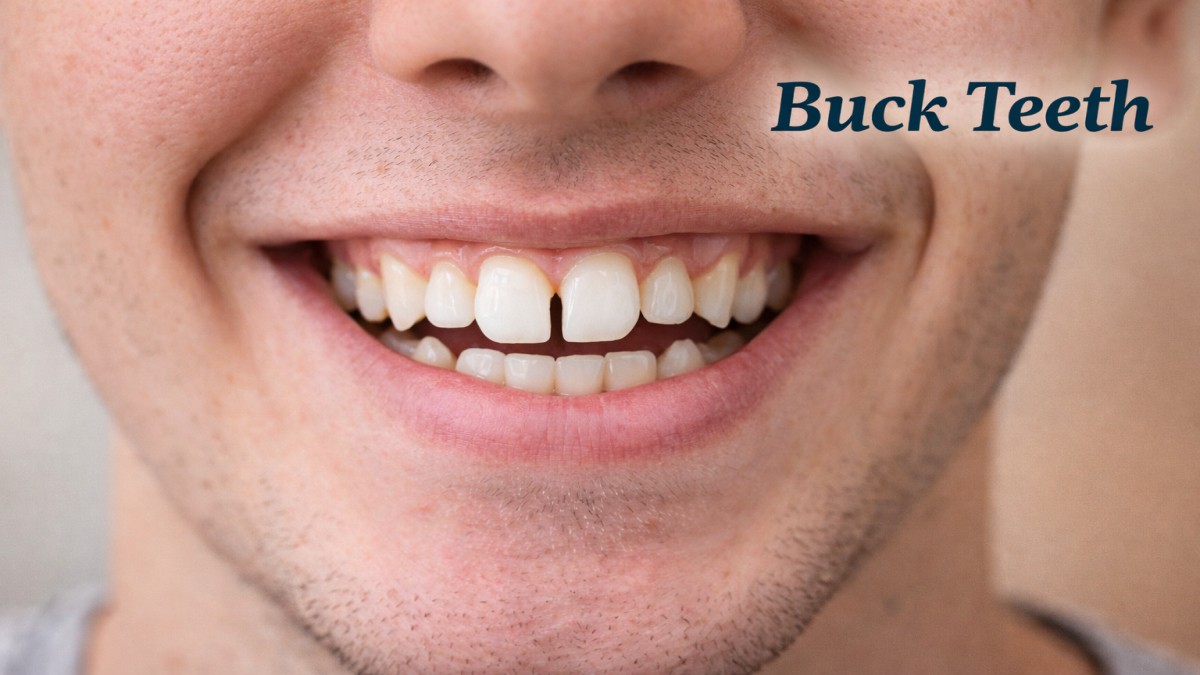
“Buck teeth” is a non-medical term used to describe upper front teeth that protrude noticeably outward compared to the lower teeth. In dentistry, this condition is usually referred to as overjet or sometimes associated with malocclusion (misaligned bite).
It’s important to note: buck teeth are not a disease. They’re a dental alignment variation that can range from mild to severe.
What Causes Buck Teeth?
Buck teeth don’t happen for just one reason. Most cases result from a combination of genetics, habits, and jaw development.
1. Genetics
If parents have protruding teeth or jaw alignment issues, children are more likely to inherit similar traits.
2. Thumb Sucking and Pacifier Use
Prolonged thumb sucking or pacifier use during early childhood can push the upper teeth forward over time.
3. Tongue Thrusting
When the tongue presses against the front teeth during swallowing or speaking, it can gradually cause protrusion.
4. Jaw Size Imbalance
A small lower jaw or an overly developed upper jaw can make the top teeth appear more prominent.
5. Missing or Extra Teeth
Gaps, crowding, or extra teeth can disrupt alignment and push teeth forward.
Are Buck Teeth a Medical Problem?
Not always. Mild buck teeth are often harmless and purely cosmetic. However, moderate to severe cases can cause issues.
Potential Health Concerns
- Difficulty biting or chewing food
- Increased risk of tooth injury
- Speech issues (like lisping)
- Jaw pain or discomfort
- Higher chance of cavities due to cleaning difficulty
If buck teeth interfere with daily function or oral health, treatment may be recommended.
Buck Teeth in Children vs Adults
Buck Teeth in Children
In kids, buck teeth are often easier to correct because the jaw is still growing. Early orthodontic evaluation (around age 7) can prevent future complications.
Buck Teeth in Adults
Adults can still treat buck teeth successfully, but treatment may take longer since jaw growth has stopped.
Do Buck Teeth Affect Speech?
Yes, in some cases. Pronunciation of sounds like “s,” “z,” “f,” and “v” may be affected, especially if the teeth protrusion is severe. Speech therapy combined with orthodontic treatment often resolves this.
Psychological and Social Impact
Let’s be real—appearance can affect confidence.
Some people embrace their buck teeth as part of their identity. Others feel self-conscious, especially during adolescence or social situations. Both reactions are valid.
What matters most is how you feel, not societal pressure.
Treatment Options for Buck Teeth
Modern dentistry offers several effective solutions. The right one depends on age, severity, and personal preference.
1. Braces
Traditional braces gradually move teeth into proper alignment.
Pros
- Highly effective
- Suitable for severe cases
Cons
- Visible
- Longer treatment time
2. Clear Aligners (e.g., Invisalign-style systems)
Clear aligners are removable and discreet.
Pros
- Nearly invisible
- Easier oral hygiene
Cons
- Not ideal for very severe cases
- Requires discipline
3. Retainers (Mild Cases)
Sometimes used for minor overjet correction or to maintain results after braces.
4. Orthodontic Headgear (Children)
Used in growing children to guide jaw development.
5. Jaw Surgery (Severe Cases)
In rare cases where jaw structure is the main issue, orthognathic surgery may be required.
How Long Does Treatment Take?
Treatment duration varies:
- Mild cases: 6–12 months
- Moderate cases: 12–24 months
- Severe cases: 2+ years
Consistency is key—especially with aligners.
Are Buck Teeth Painful to Treat?
Some discomfort is normal, especially in the first few days after adjustments. However, modern orthodontic methods are far more comfortable than in the past.
Conclusion
Buck teeth are common, natural, and often harmless. For some, they’re a unique feature worth embracing. For others, they can affect health, comfort, or confidence—and that’s where modern orthodontics shines.
The key takeaway? You have options. Whether you choose treatment or self-acceptance, the right choice is the one that makes you feel healthy and confident.
Frequently Asked Questions (FAQs)
1. Are buck teeth the same as overbite?
No. Buck teeth usually refer to overjet (horizontal protrusion), while an overbite is a vertical overlap.
2. Can buck teeth cause jaw pain?
Yes, especially if they affect bite alignment.
3. Is it bad to leave buck teeth untreated?
Not always. Treatment is only necessary if there are functional or health issues.
4. Do braces completely fix buck teeth?
In most cases, yes—especially when treatment is followed correctly.
5. Are buck teeth genetic?
Often, yes—but habits and jaw development also play a big role.

How Much Water Should I Drink Daily? Exact Amount Based on Your Body (2026 Guide)

Why Am I Always Tired Even After Sleeping (Honestly, This Is More Common Than You Think)

How to Sleep Better at Night Naturally (Honestly, It’s Not as Complicated as You Think)

Torcia: Lighting the Way From Ancient Flames to Modern Innovation

TikTok Algorithm Tips 2026 – Best TikTok Algorithm Tips 2026 to Grow Fast in USA

How to Go Viral on Instagram Reels – Honestly, It’s Not Just Luck

Social Media Trends USA 2026 – What’s Actually Changing (And What Still Works)

How to Build Personal Brand Online – Honestly, It’s Less About Perfection and More About Showing Up

Best Posting Times for Social Media USA – Honestly, Timing Matters More Than You Think

Instagram Growth Tips 2026 USA – Honestly, It’s Not About Tricks, It’s About Smart Work

Snifies: Redefining the World of Casual Connections and LGBTQ+ Social Discovery

Smut Book Meaning: Everything You Need to Know About This Steamy Genre

Dobutamine: Uses, Mechanism, Dosage, and Side Effects

Ishraq Time in Delhi: What It Is, When It Happens, and Why It Matters

Sarkari Network: Everything You Need to Know

Beton Celular Autoclavizat: The Future of Lightweight, Eco-Friendly Construction
Torcia: Lighting the Way From Ancient Flames to Modern Innovation

Read OPM Manga Online: Where and How to Enjoy One Punch Man Legally

Why Every Small Business Needs a Digital Marketing Agency

Goblets: A Timeless Symbol of Elegance and Celebration
How Much Water Should I Drink Daily? Exact Amount Based on Your Body (2026 Guide)
Why Am I Always Tired Even After Sleeping (Honestly, This Is More Common Than You Think)
How to Sleep Better at Night Naturally (Honestly, It’s Not as Complicated as You Think)
Torcia: Lighting the Way From Ancient Flames to Modern Innovation
TikTok Algorithm Tips 2026 – Best TikTok Algorithm Tips 2026 to Grow Fast in USA
How to Go Viral on Instagram Reels – Honestly, It’s Not Just Luck
Social Media Trends USA 2026 – What’s Actually Changing (And What Still Works)
How to Build Personal Brand Online – Honestly, It’s Less About Perfection and More About Showing Up
Best Posting Times for Social Media USA – Honestly, Timing Matters More Than You Think
Instagram Growth Tips 2026 USA – Honestly, It’s Not About Tricks, It’s About Smart Work

 entertainment7 months ago
PYT Telegram: A Complete Guide to Understanding, Using, and Maximizing It

 entertainment8 months ago
OnionFlix: Everything You Need to Know About This Streaming Website
- others6 months ago
Nook vs Kindle: Which E-Reader Is Right for You?
- gaming8 months ago
Melisandre: The Enigmatic Priestess of Game of Thrones