others
Dry Ice: Uses, Safety, and How It Works

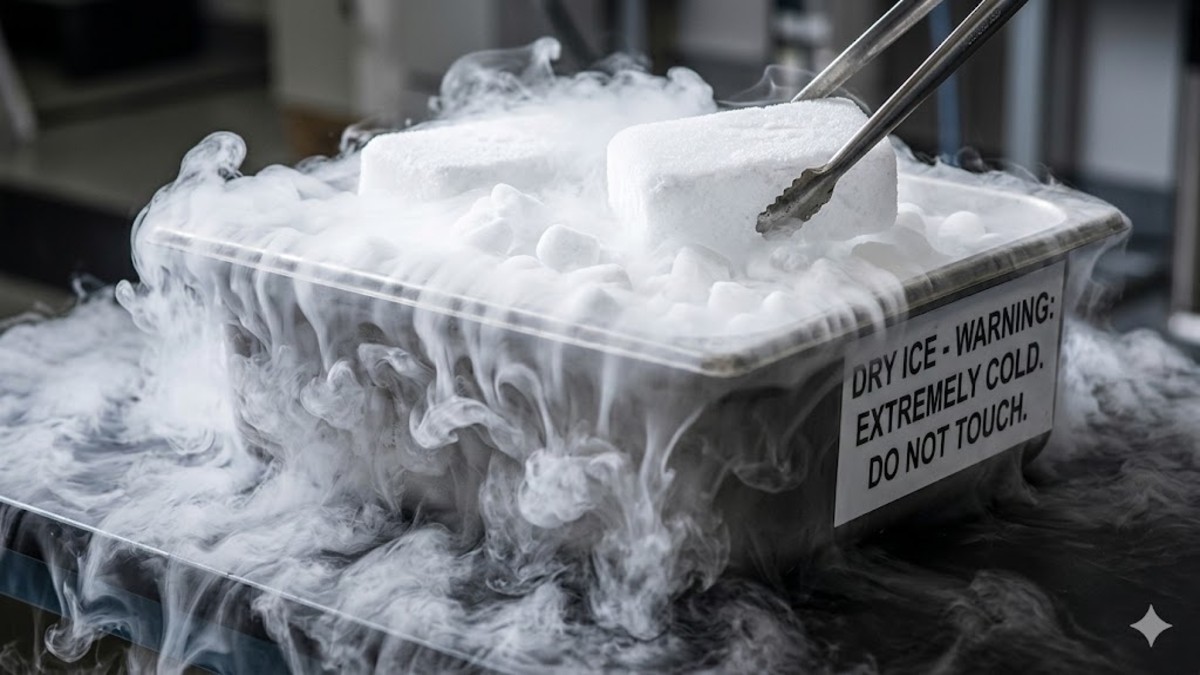
Dry ice is one of the most fascinating substances used in science, food storage, and special effects. Unlike regular ice made from water, dry ice is the solid form of carbon dioxide (CO₂). What makes it unique is that it doesn’t melt into a liquid. Instead, it transforms directly from solid into gas through a process called sublimation.
This unusual property makes dry ice extremely useful in many industries—from shipping frozen food to creating fog effects in movies and stage productions. At the same time, its extremely cold temperature means it must be handled carefully. Understanding how dry ice works and how to use it safely helps people take advantage of its many practical benefits.
What Is Dry Ice?
Dry ice is solid carbon dioxide (CO₂) that forms when carbon dioxide gas is compressed and cooled until it becomes a liquid, then rapidly expanded to create a solid “snow” that is compressed into blocks or pellets.
The temperature of dry ice is extremely low—about −78.5 °C (−109.3 °F), which is far colder than regular water ice.
Another defining feature is its sublimation process. Instead of melting into liquid, dry ice turns directly into carbon dioxide gas when exposed to warmer air.
Because it skips the liquid stage, dry ice leaves no puddle behind. This “dry” behavior is actually the reason it’s called dry ice.
Common Uses of Dry Ice
Dry ice has many applications because of its extremely cold temperature and ability to stay solid while releasing gas.
Food Storage and Transportation
One of the most common uses of dry ice is keeping food frozen during shipping. Frozen products like meat, seafood, and ice cream are often packed with dry ice to maintain low temperatures during transport.
Since it doesn’t melt into water, dry ice prevents moisture damage that could occur with traditional ice.
Medical and Scientific Applications
Dry ice is widely used in laboratories and hospitals. It helps preserve biological samples, vaccines, and other temperature-sensitive materials during transport.
Scientists also use dry ice in experiments that require extremely cold temperatures.
Special Effects and Entertainment
You’ve probably seen the dramatic fog used in movies, concerts, or Halloween parties. That thick mist often comes from dry ice placed in warm water.
The cold carbon dioxide gas cools nearby air and causes water vapor to condense into a dense fog cloud.
This effect creates a mysterious “smoke” that stays close to the ground.
Industrial Cleaning
Dry ice pellets are used in dry ice blasting, a cleaning technique that removes paint, oil, and contaminants from surfaces without damaging them.
This process is popular in manufacturing, automotive maintenance, and equipment cleaning.
Properties of Dry Ice
Dry ice has several unique physical properties that make it different from ordinary ice.
| Property | Description |
|---|---|
| Chemical composition | Solid carbon dioxide (CO₂) |
| Temperature | −78.5 °C (−109.3 °F) |
| State change | Sublimates directly from solid to gas |
| Appearance | White, dense solid resembling regular ice |
| Residue | Leaves no liquid when it disappears |
Because of these characteristics, dry ice is one of the most effective cooling agents available for shipping and industrial use.
Safety Precautions When Handling Dry Ice
Although dry ice is very useful, it must be handled carefully. Its extremely low temperature and the carbon dioxide gas it releases can pose risks if used improperly.
Conclusion
Dry ice is a remarkable material with unique properties that make it valuable in many industries. Its extremely low temperature and ability to sublimate directly from solid to gas allow it to cool products efficiently without leaving liquid residue. From shipping frozen foods and preserving medical samples to creating theatrical fog effects, dry ice plays an important role in modern technology and everyday life.
Despite its usefulness, proper handling is essential because of its extreme cold and the carbon dioxide gas it releases. When used safely, dry ice remains one of the most effective and versatile cooling substances available.
FAQs
1. What exactly is dry ice made of?
Dry ice is made from solid carbon dioxide (CO₂), which forms when carbon dioxide gas is compressed and cooled.
2. Why is it called dry ice?
It is called dry ice because it does not melt into liquid. Instead, it turns directly from solid into gas.
3. How cold is dry ice?
Dry ice has a temperature of about −78.5 °C (−109.3 °F), which is much colder than regular ice.
4. Is dry ice safe to touch?
No. Direct contact can cause frostbite, so it should always be handled with gloves or tools.
5. What are the main uses of dry ice?
Dry ice is commonly used for food shipping, medical sample transport, industrial cleaning, and special effects like fog.

Foot Bones: Structure, Types, and Functions of the Human Foot

1 Banana Calories: Nutrition, Benefits, and Daily Intake Guide

Dry Ice: Uses, Safety, and How It Works

Accent Chairs: A Stylish Addition to Any Living Space

Gluten Free Crackers: A Tasty and Healthy Snack Alternative

Glycolic Acid Face Wash: Benefits, Uses, and Skincare Guide

Maternity Jeans: A Complete Guide for Expecting Mothers

Wild Fable – The Trendy Fashion Brand Redefining Affordable Style

Lemme Burn – Complete Guide to the Popular Metabolism Supplement

Stocking Stuffers for Women: The Ultimate Guide to Thoughtful and Fun Small Gifts

Incestflox: Exploring Controversial Narratives and Online Discourse

Smut Book Meaning: Everything You Need to Know About This Steamy Genre

Libélula: The Enchanting Dragonfly and Its Symbolic Power

Sarkari Network: Everything You Need to Know

Zoology Project Topics: Creative Ideas & FAQs for Students

Lucipara Islands: Indonesia’s Untouched Paradise

Torcia: Lighting the Way – From Ancient Flames to Modern Innovation

The Ultimate Guide to SEOs: Everything You Need to Know

Technisches Gymnasium: Your Gateway to Engineering and Technology

Bolly4u Life: Everything You Need to Know About This Controversial Movie Download Site
Foot Bones: Structure, Types, and Functions of the Human Foot
1 Banana Calories: Nutrition, Benefits, and Daily Intake Guide
Dry Ice: Uses, Safety, and How It Works
Accent Chairs: A Stylish Addition to Any Living Space
Gluten Free Crackers: A Tasty and Healthy Snack Alternative
Glycolic Acid Face Wash: Benefits, Uses, and Skincare Guide
Maternity Jeans: A Complete Guide for Expecting Mothers
Wild Fable – The Trendy Fashion Brand Redefining Affordable Style
Lemme Burn – Complete Guide to the Popular Metabolism Supplement
Stocking Stuffers for Women: The Ultimate Guide to Thoughtful and Fun Small Gifts

 entertainment6 months ago
PYT Telegram: A Complete Guide to Understanding, Using, and Maximizing It

 entertainment7 months ago
OnionFlix: Everything You Need to Know About This Streaming Website
- others5 months ago
Nook vs Kindle: Which E-Reader Is Right for You?
- gaming7 months ago
Melisandre: The Enigmatic Priestess of Game of Thrones