others
Engine Cleaner – The Ultimate Guide to a Cleaner, Healthier Engine

Introduction to Engine Cleaner
Ever popped your car’s hood and felt overwhelmed by the greasy, dusty mess staring back at you? That’s where an engine cleaner steps in like a superhero with a sponge. While most people obsess over shiny exteriors, the engine—the real heart of your vehicle—often gets ignored.
What Is an Engine Cleaner?
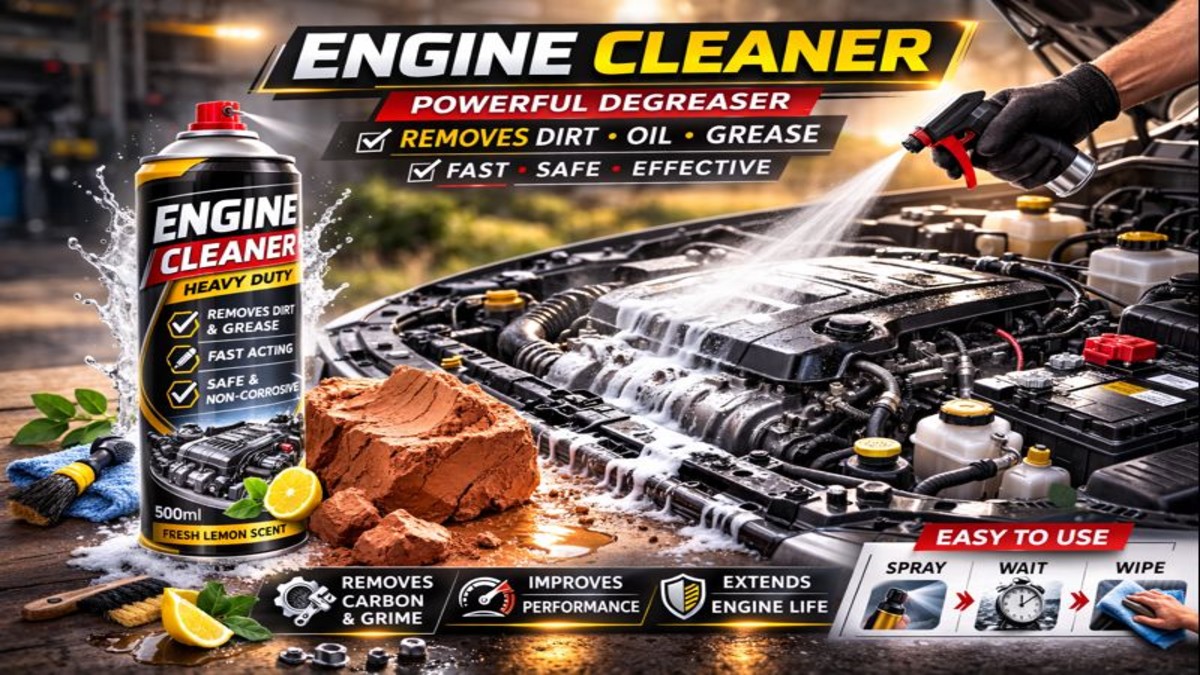
An engine cleaner is a specially formulated product designed to remove grease, oil residue, sludge, dirt, and grime from an engine’s surface or internal components. Think of it as a detox drink for your engine—it flushes out the bad stuff so everything runs smoother.
Why Engine Cleaning Matters More Than You Think
A dirty engine doesn’t just look bad; it can trap heat, hide leaks, and even affect performance. Cleaning it is not about vanity—it’s about maintenance, efficiency, and prevention.
How an Engine Gets Dirty
Engines operate under extreme heat and pressure, which makes dirt buildup almost unavoidable.
Oil Sludge and Grease Buildup
Oil leaks, spills during oil changes, and vaporized oil particles slowly coat engine components, forming thick grime over time.
Dust, Dirt, and Road Grime
Every drive exposes your engine bay to dust and debris. Combine that with oil, and you’ve got sticky gunk that clings like glue.
Heat and Oxidation Effects
Heat accelerates oxidation, baking contaminants onto metal surfaces—much like burnt food stuck to a pan.
Types of Engine Cleaners
Not all engine cleaners are created equal. Choosing the right type matters.
Engine Degreasers
These are external cleaners designed to break down grease and oil on engine surfaces. Perfect for visual cleaning and maintenance.
Fuel System Engine Cleaners
Added to fuel, these clean injectors, valves, and combustion chambers from the inside out.
Internal Engine Cleaners
Used before oil changes, these dissolve sludge and deposits inside the engine.
Spray vs Foam vs Liquid Cleaners
- Spray: Easy and quick for light cleaning
- Foam: Clings better to vertical surfaces
- Liquid: Ideal for deep or internal cleaning
Key Benefits of Using an Engine Cleaner
Improved Engine Performance
A clean engine breathes better. Reduced buildup means smoother airflow and more efficient combustion.
Better Fuel Efficiency
Less resistance and cleaner injectors can improve mileage—saving fuel and money.
Longer Engine Life
Cleaning reduces wear caused by trapped heat and contaminants, extending engine lifespan.
Early Leak Detection
A clean engine makes it easier to spot oil or coolant leaks early, before they turn costly.
Engine Cleaner for Different Vehicles
Cars and Sedans
Most modern cars benefit from gentle degreasers and fuel system cleaners.
Motorcycles
Motorbike engines are more exposed, making regular cleaning essential for cooling and performance.
Trucks and Heavy Vehicles
These engines face harsher conditions and often require heavy-duty cleaners.
Petrol vs Diesel Engines
Diesel engines tend to accumulate more soot and may need stronger formulations.
How to Use an Engine Cleaner Safely
Step-by-Step Engine Cleaning Process
- Let the engine cool completely
- Cover sensitive electrical components
- Apply engine cleaner evenly
- Let it sit as directed
- Rinse gently or wipe clean
- Dry thoroughly before starting the engine
Safety Precautions You Must Follow
- Wear gloves and eye protection
- Avoid high-pressure water
- Work in a well-ventilated area
Common Mistakes to Avoid
- Cleaning a hot engine
- Ignoring manufacturer instructions
- Overusing strong chemicals
DIY Engine Cleaning vs Professional Cleaning
Cost Comparison
DIY cleaning is affordable, while professional services cost more but offer deeper results.
Effectiveness and Risks
Professionals reduce the risk of damaging sensitive parts, especially in modern vehicles.
Eco-Friendly and Waterless Engine Cleaners
Why Green Cleaners Are Gaining Popularity
They use biodegradable formulas that clean effectively without harming the environment.
Environmental Impact
Waterless options reduce runoff pollution and conserve water—win-win for you and nature.
How Often Should You Use an Engine Cleaner?
Maintenance-Based Cleaning Schedule
For most vehicles, every 6–12 months is enough.
Signs Your Engine Needs Cleaning
- Strong burning smells
- Visible grease buildup
- Reduced performance
Conclusion
An engine cleaner is more than just a cosmetic tool—it’s a smart investment in your vehicle’s health. From better performance to longer engine life, the benefits are hard to ignore. Treat your engine like the powerhouse it is, and it’ll reward you with smoother rides and fewer headaches.
FAQs
1. Is engine cleaner safe for all cars?
Yes, as long as you choose a product compatible with your engine type and follow instructions.
2. Can I use household degreasers as engine cleaners?
No. Household cleaners may damage seals, hoses, and sensitive components.
3. Does engine cleaning improve fuel economy?
Indirectly, yes—especially when using fuel system cleaners.
4. Should I clean my engine before selling my car?
Absolutely. It boosts buyer confidence and resale value.
5. Can engine cleaner remove old sludge?
Yes, internal engine cleaners are designed specifically to dissolve sludge buildup.

How Much Water Should I Drink Daily? Exact Amount Based on Your Body (2026 Guide)

Why Am I Always Tired Even After Sleeping (Honestly, This Is More Common Than You Think)

How to Sleep Better at Night Naturally (Honestly, It’s Not as Complicated as You Think)

Torcia: Lighting the Way From Ancient Flames to Modern Innovation

TikTok Algorithm Tips 2026 – Best TikTok Algorithm Tips 2026 to Grow Fast in USA

How to Go Viral on Instagram Reels – Honestly, It’s Not Just Luck

Social Media Trends USA 2026 – What’s Actually Changing (And What Still Works)

How to Build Personal Brand Online – Honestly, It’s Less About Perfection and More About Showing Up

Best Posting Times for Social Media USA – Honestly, Timing Matters More Than You Think

Instagram Growth Tips 2026 USA – Honestly, It’s Not About Tricks, It’s About Smart Work

Snifies: Redefining the World of Casual Connections and LGBTQ+ Social Discovery

Smut Book Meaning: Everything You Need to Know About This Steamy Genre

Dobutamine: Uses, Mechanism, Dosage, and Side Effects

Ishraq Time in Delhi: What It Is, When It Happens, and Why It Matters

Sarkari Network: Everything You Need to Know

Beton Celular Autoclavizat: The Future of Lightweight, Eco-Friendly Construction
Torcia: Lighting the Way From Ancient Flames to Modern Innovation

Read OPM Manga Online: Where and How to Enjoy One Punch Man Legally

Why Every Small Business Needs a Digital Marketing Agency

Goblets: A Timeless Symbol of Elegance and Celebration
How Much Water Should I Drink Daily? Exact Amount Based on Your Body (2026 Guide)
Why Am I Always Tired Even After Sleeping (Honestly, This Is More Common Than You Think)
How to Sleep Better at Night Naturally (Honestly, It’s Not as Complicated as You Think)
Torcia: Lighting the Way From Ancient Flames to Modern Innovation
TikTok Algorithm Tips 2026 – Best TikTok Algorithm Tips 2026 to Grow Fast in USA
How to Go Viral on Instagram Reels – Honestly, It’s Not Just Luck
Social Media Trends USA 2026 – What’s Actually Changing (And What Still Works)
How to Build Personal Brand Online – Honestly, It’s Less About Perfection and More About Showing Up
Best Posting Times for Social Media USA – Honestly, Timing Matters More Than You Think
Instagram Growth Tips 2026 USA – Honestly, It’s Not About Tricks, It’s About Smart Work

 entertainment7 months ago
PYT Telegram: A Complete Guide to Understanding, Using, and Maximizing It

 entertainment8 months ago
OnionFlix: Everything You Need to Know About This Streaming Website
- others6 months ago
Nook vs Kindle: Which E-Reader Is Right for You?
- gaming8 months ago
Melisandre: The Enigmatic Priestess of Game of Thrones