animal
Heifer Cow: Everything You Need to Know

Introduction to Heifer Cows
If you’ve ever spent time around farms or rural communities, you’ve probably heard the term heifer cow. But what exactly does it mean? Is it just another name for a cow, or is there more to it? Let’s break it down in simple, everyday language.
What Does the Term “Heifer” Mean?
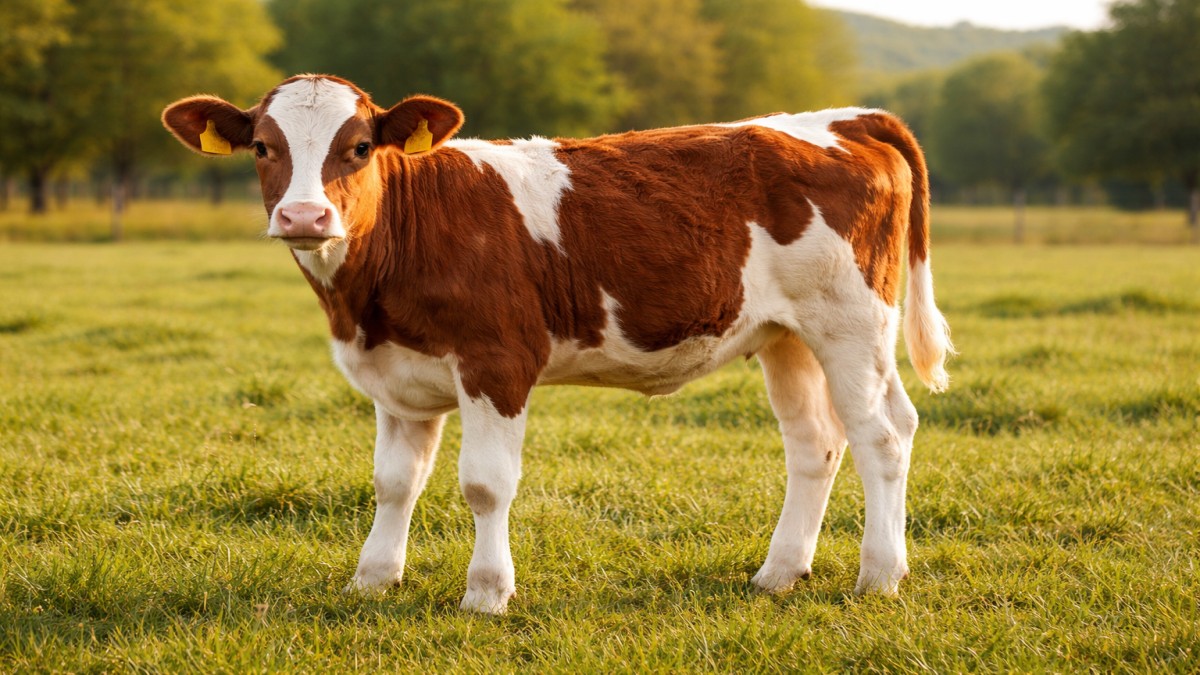
A heifer is a young female bovine that has not yet given birth to a calf. Think of it as the teenage phase of a female cow’s life. She’s grown past being a calf but hasn’t yet stepped into motherhood.
Difference Between a Heifer and a Cow
Here’s the key distinction:
- A heifer has never calved.
- A cow has given birth at least once.
Once a heifer delivers her first calf, she officially earns the title of cow. Simple, right?
Life Cycle of a Heifer Cow
Understanding the life cycle helps farmers plan feeding, breeding, and care more effectively.
From Calf to Heifer
The journey begins as a, right after birth. From birth to around one year of age, the female bovine is considered a heifer calf. As she grows and reaches sexual maturity—usually between 12 and 15 months—she’s called a heifer.
When Does a Heifer Become a Cow?
A heifer becomes a cow after giving birth to her first calf, typically between 22 and 30 months of age, depending on breed and of age, depending on breed and management.
Importance of Heifer Cows in Agriculture
Heifer cows are like the future investment portfolio of a farm.
Role in Dairy Farming
In dairy operations, heifers are the next generation of milk producers. Farmers invest significant time and money raising heifers because healthy heifers grow into productive dairy cows with higher milk yields.
Role in Beef Production
In beef farming, heifers contribute to herd expansion and meat production. Some are raised for breeding, while others are finished for beef, depending on farm goals.
Physical Characteristics of a Heifer Cow
Size and Weight
Heifers are generally smaller and lighter than mature cows. Their weight varies by breed, but most heifers reach about 60–65% of their mature body weight before breeding.
Breed Variations
From Holstein and Jersey in dairy farming to Angus and Hereford in beef production, each breed brings unique traits in size, temperament, and productivity.
Heifer Cow Nutrition and Feeding
Feeding a heifer is like fueling a growing athlete—you want balanced nutrition, not shortcuts.
Essential Nutritional Needs
Heifers require:
- Proteins for muscle development
- Energy for growth
- Minerals like calcium and phosphorus
- Vitamins for immunity and bone health
Feeding Heifers at Different Growth Stages
- Young heifers: High-quality forage and protein
- Growing heifers: Balanced ration to avoid over-conditioning
- Pre-breeding heifers: Nutrient-dense diets to support reproduction
Overfeeding can be just as harmful as underfeeding, leading to calving difficulties later.
Heifer Cow Health and Care
Common Health Issues
Heifers may face issues such as:
- Parasite infections
- Respiratory diseases
- Digestive problems
Early detection makes a huge difference.
Preventive Healthcare and Vaccination
Routine vaccinations, deworming, and regular vet checkups keep heifers healthy and productive. Prevention is always cheaper than treatment.
Breeding and Reproduction in Heifers
Ideal Age for Breeding
Most heifers are bred when they reach proper body weight rather than a specific age. This ensures safer pregnancies and healthier calves.
Signs of Heat in Heifers
Common signs include:
- Restlessness
- Mounting other animals
- Clear mucus discharge
Spotting heat accurately improves breeding success.
Housing and Management Practices
Space and Comfort Requirements
Heifers need clean, dry, and well-ventilated housing. Crowding leads to stress, and stress leads to poor growth—simple cause and effect.
Pasture vs. Barn Rearing
Pasture-based systems promote natural behavior and lower costs, while barn systems allow controlled feeding and monitoring. Many farms use a mix of both.
Conclusion
A heifer cow is much more than a young female bovine—it’s the future backbone of cattle farming. From nutrition and health to breeding and economics, proper heifer management determines long-term farm success. Treating heifers right today sets the stage for productive, profitable, and sustainable farming tomorrow.
Frequently Asked Questions (FAQs)
1. Is a heifer the same as a cow?
No. A heifer has never given birth, while a cow has.
2. At what age does a heifer get pregnant?
Usually between 13 and 18 months, depending on breed and body weight.
3. Can heifers produce milk?
Only after giving birth to their first calf.
4. Are heifers used for meat?
Yes, some heifers are raised for beef rather than breeding.
5. Why are heifers important to farmers?
They represent the future productivity and profitability of the herd.

Gold Shower: Nature’s Cascading Yellow Wonder

Best Dry Shampoo – The Complete Guide for Fresh Hair Without Washing

Angora Cats Splendor – Discover the Majesty of This Elegant Breed

The Indian Bow: A Legacy of Precision, Power, and Tradition

Hydrating Mask for Skin: The Ultimate Guide to Deep Moisture and Glowing Complexion

Brown Sneakers: The Ultimate Style Guide for Timeless Comfort and Versatility

Robert Provost: A Life of Leadership, Community, and Vision

Microneedling at Home: A Complete Guide to Safe and Effective DIY Skin Rejuvenation

Nail Shapes – The Ultimate Guide to Finding Your Perfect Style

Understanding Pyrometers: The Ultimate Guide to High-Temperature Measurement

Incestflox: Exploring Controversial Narratives and Online Discourse

Cozey: Revolutionizing Home Comfort One Sofa at a Time

Libélula: The Enchanting Dragonfly and Its Symbolic Power

Smut Book Meaning: Everything You Need to Know About This Steamy Genre

Sarkari Network: Everything You Need to Know

WJBD News: Keeping South Central Illinois Informed and Connected
Zoology Project Topics: Creative Ideas & FAQs for Students

Rapture Ready News: Interpreting Today’s Headlines Through a Prophetic Lens

Lucipara Islands: Indonesia’s Untouched Paradise

The Ultimate Guide to SEOs: Everything You Need to Know
Gold Shower: Nature’s Cascading Yellow Wonder
Best Dry Shampoo – The Complete Guide for Fresh Hair Without Washing
Angora Cats Splendor – Discover the Majesty of This Elegant Breed
The Indian Bow: A Legacy of Precision, Power, and Tradition
Hydrating Mask for Skin: The Ultimate Guide to Deep Moisture and Glowing Complexion
Brown Sneakers: The Ultimate Style Guide for Timeless Comfort and Versatility
Robert Provost: A Life of Leadership, Community, and Vision
Microneedling at Home: A Complete Guide to Safe and Effective DIY Skin Rejuvenation
Nail Shapes – The Ultimate Guide to Finding Your Perfect Style
Understanding Pyrometers: The Ultimate Guide to High-Temperature Measurement

 entertainment6 months ago
PYT Telegram: A Complete Guide to Understanding, Using, and Maximizing It

 entertainment7 months ago
OnionFlix: Everything You Need to Know About This Streaming Website
- others5 months ago
Nook vs Kindle: Which E-Reader Is Right for You?
- gaming7 months ago
Melisandre: The Enigmatic Priestess of Game of Thrones