others
Lake Nalubaale (Lake Victoria): The Living Heart of East Africa

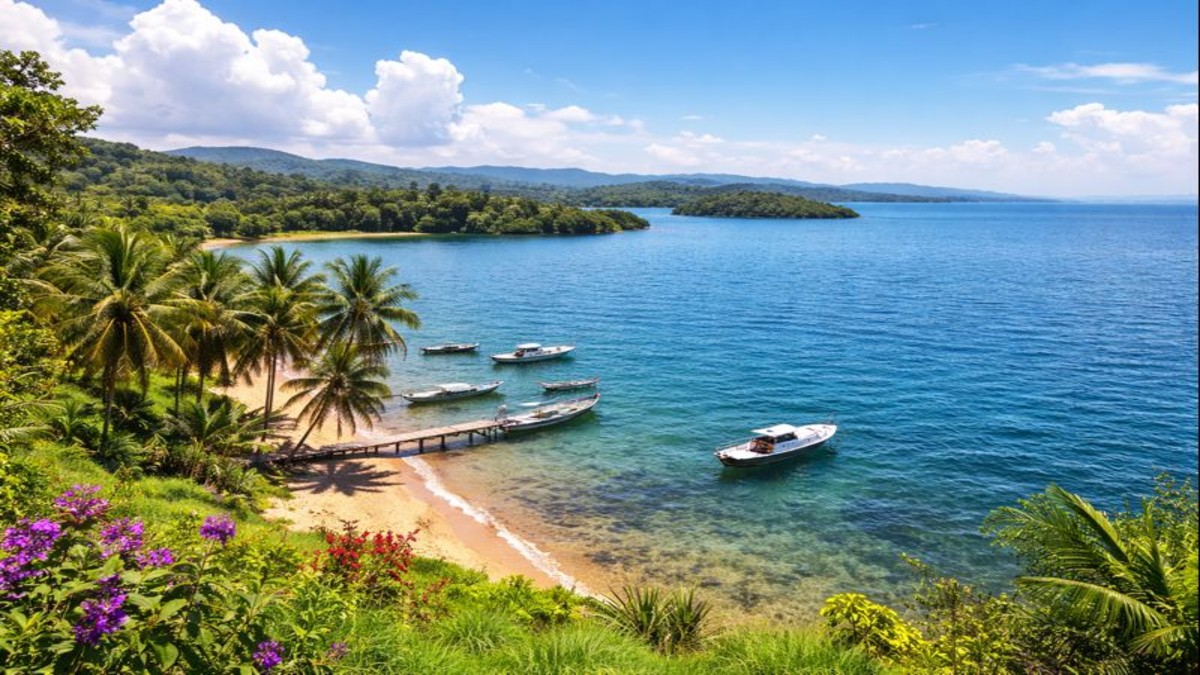
Lake Nalubaale—better known to the world as Lake Victoria—is not just Africa’s largest lake, it is the soul of an entire region. It feeds rivers, fuels economies, supports millions of lives, and carries legends as old as the Nile itself. From Uganda to Kenya and Tanzania, this vast freshwater sea shapes culture, climate, and commerce like nothing else on the continent.
Let’s dive deep into this remarkable natural wonder.
What Is Lake Nalubaale?
Lake Nalubaale is the indigenous Luganda name for Lake Victoria, meaning “Home of the Gods.” For centuries, local communities revered the lake as a sacred entity long before European explorers arrived.
It is the largest tropical lake in the world and the second-largest freshwater lake by surface area globally, covering about 68,800 square kilometers.
Where Is Lake Nalubaale Located?
Lake Nalubaale sits in East Africa, shared by three countries:
- Uganda – about 45% of the shoreline
- Tanzania – about 49%
- Kenya – about 6%
It rests on a high plateau at around 1,135 meters above sea level, making it a key geographical landmark in the Great Rift Valley region.
The Birthplace of the Nile
One of Lake Nalubaale’s greatest claims to fame is this:
It is the main source of the White Nile.
At Jinja in Uganda, water flows out of Lake Nalubaale at the Ripon Falls (now submerged by Nalubaale Dam), beginning its long journey northward through South Sudan, Sudan, and finally Egypt—over 6,600 kilometers to the Mediterranean Sea.
Size, Depth, and Hydrology
| Feature | Measurement |
|---|---|
| Surface Area | ~68,800 km² |
| Maximum Depth | ~83 meters |
| Average Depth | ~40 meters |
| Shoreline Length | ~3,440 km |
| Drainage Basin | ~258,700 km² |
Despite its enormous surface, Lake Nalubaale is relatively shallow, making it extremely sensitive to pollution and climate changes.
Ecological Treasure Chest
Fish Diversity
Originally home to over 500 native fish species, especially colorful haplochromine cichlids, the lake was one of the most diverse freshwater ecosystems on Earth.
However, the introduction of Nile perch in the 1950s changed everything.
- Many native species were driven to extinction.
- The Nile perch grew massive—some weighing over 100 kg.
- A booming fishing industry was born, but biodiversity suffered badly.
Birdlife Heaven
Lake Nalubaale is a paradise for bird lovers. You’ll spot:
- African fish eagles
- Kingfishers
- Grey crowned cranes
- Pelicans
- Herons and cormorants
Wetlands along the shoreline act as nurseries for fish and nesting grounds for birds.
Human Life Around the Lake
Over 40 million people depend on Lake Nalubaale for:
- Drinking water
- Fishing livelihoods
- Transport
- Agriculture
- Power generation
From small fishing villages to major cities like Kampala, Entebbe, Mwanza, Kisumu, the lake is the heartbeat of East Africa.
Fishing: Blessing and Burden
Fishing is the main economic activity on the lake.
Key Species Caught
- Nile perch
- Tilapia
- Dagaa (silver cyprinid)
This industry exports fish to Europe and Asia, bringing in millions of dollars annually—but it also causes:
- Overfishing
- Declining fish sizes
- Rising conflict between fishing communities
Transport and Trade Routes
Before roads dominated, Lake Nalubaale was the region’s main highway. Even today:
- Ferries link Uganda, Kenya, and Tanzania.
- Boats transport food, people, and fuel.
- Island communities depend entirely on water transport.
Power Generation: Lighting Up Nations
Two major hydropower stations sit at Jinja:
- Nalubaale Dam (formerly Owen Falls)
- Kiira Dam
These supply a large portion of Uganda’s electricity, proving that the lake literally powers modern life.
Tourism: Africa’s Inland Sea
Lake Nalubaale isn’t just useful—it’s breathtaking.
Top Attractions
- Boat cruises at sunset
- Sport fishing
- Ssese Islands with white-sand beaches
- Cultural fishing villages
- Source of the Nile tours in Jinja
For travelers, the lake feels like an ocean with no salt.
Threats Facing Lake Nalubaale
Despite its beauty, the lake is under serious threat.
Pollution
- Untreated sewage from growing cities
- Plastic waste
- Industrial effluents
- Agricultural fertilizers causing algae blooms
Conclusion
Lake Nalubaale is more than Africa’s largest lake—it is a living system, a spiritual symbol, a commercial highway, and a natural wonder rolled into one. From feeding the Nile to feeding millions, from sacred traditions to power stations, its story is the story of East Africa itself.
Protecting Lake Nalubaale is not optional—it is a responsibility shared by all who depend on its waters.
FAQs
1. Why is Lake Nalubaale also called Lake Victoria?
European explorers renamed it Lake Victoria in 1858, but local communities still honor its original name, Nalubaale.
2. Which country controls most of the lake?
Tanzania holds the largest portion, followed closely by Uganda.
3. Can you swim in Lake Nalubaale?
Yes, but with caution due to bilharzia risk and pollution in some areas.
4. What is the main economic activity on the lake?
Fishing—especially Nile perch exports.
5. Is Lake Nalubaale shrinking?
Water levels fluctuate naturally, but pollution, climate change, and dams have increased.

Active Memory Expansion: How Modern Systems Increase RAM Efficiency

Munții Ural: The Mountains That Divide Europe and Asia

How Much Do Dentists Make? Salary Guide, Factors, and Career Earnings

X-Ray Tech Salary: Earnings, Career Growth, and Job Opportunities

NFLBite: What It Is, How It Works, and What Fans Should Know

Branding on Cars: A Powerful Mobile Marketing Strategy

Services on Internet: How Online Services Are Transforming Everyday Life

Productivity Hacks: Practical Strategies to Work Smarter and Achieve More

Breaking Barriers: How International Education Sponsorship Opens Doors for Talented Students

Cold Storage Compliance: What Businesses Often Miss

Incestflox: Exploring Controversial Narratives and Online Discourse

Libélula: The Enchanting Dragonfly and Its Symbolic Power

Sarkari Network: Everything You Need to Know
Zoology Project Topics: Creative Ideas & FAQs for Students

Lucipara Islands: Indonesia’s Untouched Paradise

Torcia: Lighting the Way – From Ancient Flames to Modern Innovation

The Ultimate Guide to SEOs: Everything You Need to Know

Read OPM Manga Online: Where and How to Enjoy One Punch Man Legally

Technisches Gymnasium: Your Gateway to Engineering and Technology

Bolly4u Life: Everything You Need to Know About This Controversial Movie Download Site
Active Memory Expansion: How Modern Systems Increase RAM Efficiency
Munții Ural: The Mountains That Divide Europe and Asia
How Much Do Dentists Make? Salary Guide, Factors, and Career Earnings
X-Ray Tech Salary: Earnings, Career Growth, and Job Opportunities
NFLBite: What It Is, How It Works, and What Fans Should Know
Branding on Cars: A Powerful Mobile Marketing Strategy
Services on Internet: How Online Services Are Transforming Everyday Life
Productivity Hacks: Practical Strategies to Work Smarter and Achieve More
Breaking Barriers: How International Education Sponsorship Opens Doors for Talented Students
Cold Storage Compliance: What Businesses Often Miss

 entertainment6 months ago
PYT Telegram: A Complete Guide to Understanding, Using, and Maximizing It

 entertainment7 months ago
OnionFlix: Everything You Need to Know About This Streaming Website
- others5 months ago
Nook vs Kindle: Which E-Reader Is Right for You?
- gaming7 months ago
Melisandre: The Enigmatic Priestess of Game of Thrones