others
Moon Rocky: Exploring the Rugged Surface of the Moon

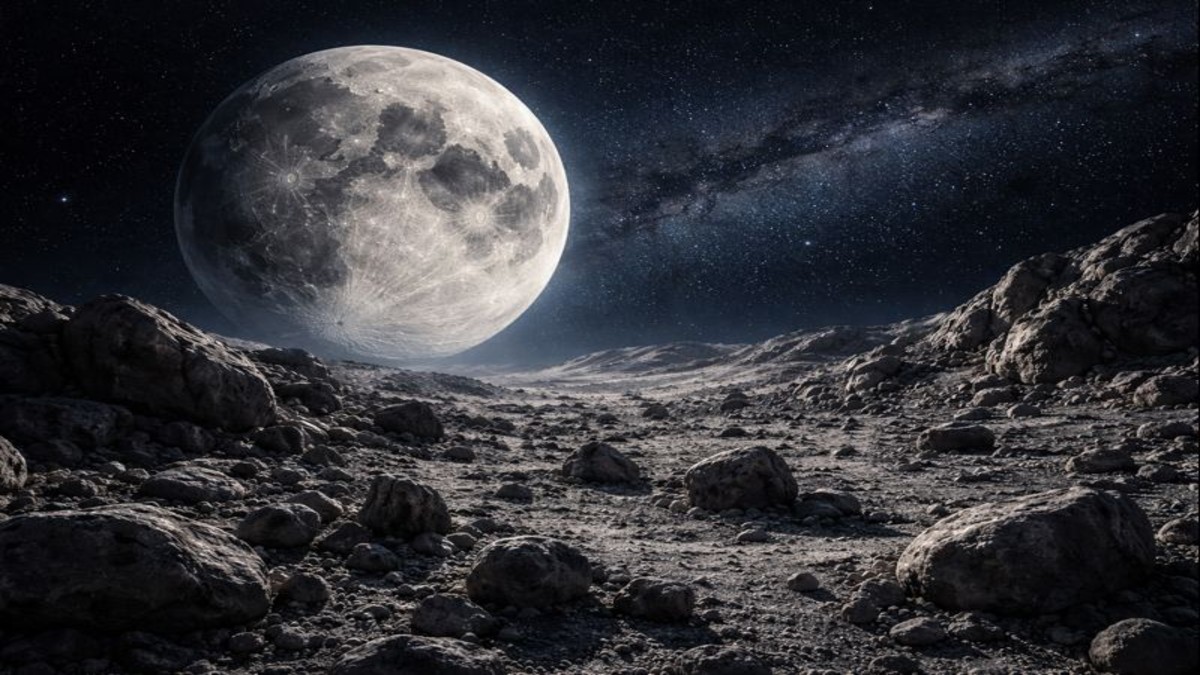
When people talk about the moon rocky surface, they’re referring to the Moon’s hard, uneven, stone-covered landscape. Unlike Earth, the Moon has no oceans, forests, or soil in the usual sense. Instead, it is a world dominated by rocks, craters, dust, and ancient scars from billions of years of cosmic impacts. This rocky nature is what makes the Moon such a fascinating object of study for scientists and space enthusiasts alike.
Why Is the Moon So Rocky?
The Moon’s rocky surface exists mainly because it lacks two things Earth has in abundance: an atmosphere and active weather. Without wind, rain, or flowing water, rocks on the Moon do not erode or smooth out over time. What you see today is a record frozen in time, shaped mostly by impacts and volcanic activity from the distant past.
Formation of the Rocky Moon
The Giant Impact Theory
Scientists believe the Moon formed about 4.5 billion years ago when a Mars-sized object collided with early Earth. The debris from this massive collision eventually came together to form the Moon. Much of this material was molten rock, which cooled and hardened into the rocky body we see today.
Cooling and Crust Formation
As the Moon cooled, heavier materials sank toward the core, while lighter materials formed a solid rocky crust. This crust is what we observe on the surface now.
Types of Rocks Found on the Moon
Basalt Rocks
Basalt is common in the Moon’s dark plains, known as maria. These rocks formed from ancient lava flows when the Moon was volcanically active.
Anorthosite
This light-colored rock dominates the Moon’s highlands. It is made mostly of the mineral plagioclase and represents some of the Moon’s oldest crust.
Breccia
Breccia rocks are created by meteor impacts. They are made of broken rock fragments fused together, telling stories of violent collisions.
Moon Dust and Regolith
The Moon’s rocky surface is covered by a layer called regolith—a mixture of fine dust, broken rocks, and fragments created by countless impacts.
Why Regolith Is Unique
Moon dust is sharp and abrasive because it hasn’t been smoothed by weather. Astronauts described it as clinging to everything, damaging equipment and spacesuits during Apollo missions.
Craters: Scars on a Rocky World
One of the most striking features of the Moon’s rocky surface is its craters.
How Craters Form
Craters form when meteoroids crash into the Moon at high speed. With no atmosphere to burn them up, even small space rocks can hit the surface directly.
Famous Lunar Craters
- Tycho
- Copernicus
- Plato
These craters help scientists estimate the age of different lunar regions.
Why the Moon Has No Smooth Surface
On Earth, mountains erode, valleys fill, and landscapes change constantly. On the Moon, the rocky surface stays almost exactly the same for millions—even billions—of years. There is no rain to wash rocks away, no tectonic plates to recycle crust, and no plants to break stone apart.
How Astronauts Explored the Rocky Moon
During the Apollo missions, astronauts walked directly on the Moon’s rocky terrain.
Collecting Moon Rocks
They brought back over 380 kilograms of lunar rocks, which are still studied today. These samples revealed the Moon’s age, composition, and volcanic history.
Challenges of the Rocky Terrain
Astronauts had to carefully navigate uneven ground, sharp rocks, and fine dust, making movement slow and deliberate.
Scientific Importance of Moon Rocks
Moon rocks are like time capsules. Because the Moon has remained geologically quiet, its rocks preserve information about the early solar system that Earth has long erased.
They help scientists:
- Understand planetary formation
- Study early volcanic activity
- Learn about meteor impacts
Conclusion
The moon rocky landscape is more than just a barren surface—it is a historical record of our solar system. Shaped by ancient impacts and frozen in time, the Moon’s rocks reveal secrets about how planets form and evolve. As humanity prepares to return to the Moon, this rugged, rocky world will once again become a place of discovery, inspiration, and exploration.
FAQs
1. Why is the Moon so rocky?
Because it has no atmosphere or weather to erode rocks.
2. What kind of rocks are found on the Moon?
Basalt, anorthosite, and breccia are the most common.
3. Is there soil on the Moon?
There is regolith, a mix of dust and broken rock, not true soil.
4. Are Moon rocks different from Earth rocks?
Yes, they are much older and lack signs of water erosion.
5. Can Moon rocks be used by astronauts?
Yes, future missions may use them for construction and oxygen extraction.

Branding on Cars: A Powerful Mobile Marketing Strategy

Services on Internet: How Online Services Are Transforming Everyday Life

Productivity Hacks: Practical Strategies to Work Smarter and Achieve More

Breaking Barriers: How International Education Sponsorship Opens Doors for Talented Students

Cold Storage Compliance: What Businesses Often Miss

Pet Peeves: Meaning, Examples, and Why Small Annoyances Matter

Ananas Fruit Tree (Pineapple Plant): Complete Guide to Growing, Benefits, and Care

Ghost Pepper: Heat Level, Uses, Benefits, and Safety Guide

Bocce Ball: Complete Guide to Rules, History, Equipment, and How to Play

Animals Arthropods: The Most Diverse Group in the Animal Kingdom

Incestflox: Exploring Controversial Narratives and Online Discourse

Smut Book Meaning: Everything You Need to Know About This Steamy Genre

Libélula: The Enchanting Dragonfly and Its Symbolic Power

Sarkari Network: Everything You Need to Know
Zoology Project Topics: Creative Ideas & FAQs for Students

Lucipara Islands: Indonesia’s Untouched Paradise

Torcia: Lighting the Way – From Ancient Flames to Modern Innovation

The Ultimate Guide to SEOs: Everything You Need to Know

Read OPM Manga Online: Where and How to Enjoy One Punch Man Legally

Technisches Gymnasium: Your Gateway to Engineering and Technology
Branding on Cars: A Powerful Mobile Marketing Strategy
Services on Internet: How Online Services Are Transforming Everyday Life
Productivity Hacks: Practical Strategies to Work Smarter and Achieve More
Breaking Barriers: How International Education Sponsorship Opens Doors for Talented Students
Cold Storage Compliance: What Businesses Often Miss
Pet Peeves: Meaning, Examples, and Why Small Annoyances Matter
Ananas Fruit Tree (Pineapple Plant): Complete Guide to Growing, Benefits, and Care
Ghost Pepper: Heat Level, Uses, Benefits, and Safety Guide
Bocce Ball: Complete Guide to Rules, History, Equipment, and How to Play
Animals Arthropods: The Most Diverse Group in the Animal Kingdom

 entertainment6 months ago
PYT Telegram: A Complete Guide to Understanding, Using, and Maximizing It

 entertainment7 months ago
OnionFlix: Everything You Need to Know About This Streaming Website
- others5 months ago
Nook vs Kindle: Which E-Reader Is Right for You?
- gaming7 months ago
Melisandre: The Enigmatic Priestess of Game of Thrones