animal
Turtle Plastron: Structure, Function, and Evolutionary Significance

Introduction
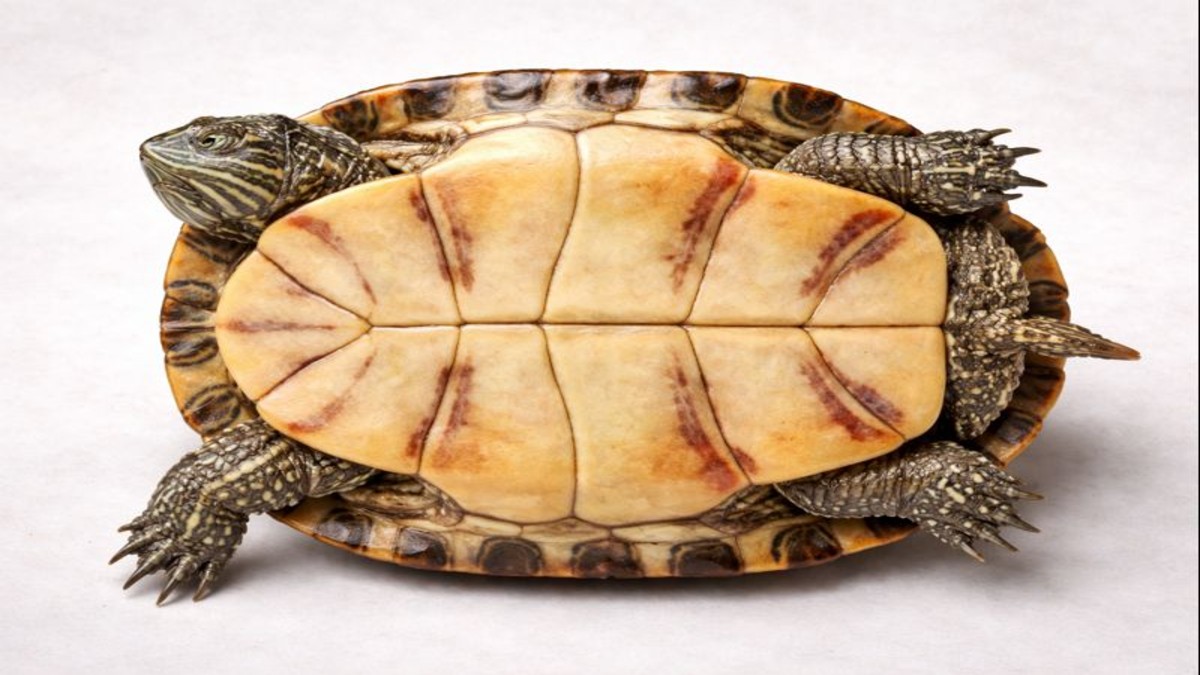
When people think about a turtle’s shell, they usually picture the hard, domed back. But the underside of the shell—the turtle plastron—is just as important. Acting like natural armor and structural support, the plastron protects vital organs and plays a key role in movement, defense, and even reproduction. Understanding the turtle plastron offers fascinating insight into turtle anatomy and evolution.
What Is a Turtle Plastron?
The plastron is the flat or slightly curved ventral (underside) part of a turtle’s shell. Together with the carapace (the top shell), it forms a rigid protective enclosure around the turtle’s body. The plastron shields the belly, chest, and internal organs from predators, rough terrain, and environmental hazards.
Anatomical Position and Structure
The plastron lies beneath the turtle’s body and is connected to the carapace by bony bridges on both sides. It is composed of bone covered by keratinous plates called scutes, which provide extra strength and durability.
Unlike mammals, turtles have ribs fused to their shell, making the plastron an integral part of the skeleton rather than an external covering.
Main Parts of the Turtle Plastron
The plastron is typically divided into several paired bones:
- Epiplastra – Located at the front
- Entoplastron – A central bone between the epiplastra
- Hyoplastra – Found behind the epiplastra
- Hypoplastra – Positioned toward the middle rear
- Xiphiplastra – Located at the back of the plastron
These bones grow together during development, forming a strong yet lightweight shield.
Plastron Scutes and Their Names
The outer surface of the plastron is covered by scutes, which are named based on their position:
- Gular scutes – Near the throat
- Humeral scutes – Close to the shoulders
- Pectoral scutes – Over the chest area
- Abdominal scutes – Protect the belly
- Femoral scutes – Near the hind limbs
- Anal scutes – At the rear end
These scutes grow gradually and can provide clues about age and health.
Functions of the Turtle Plastron
Protection of Vital Organs
The primary role of the plastron is protection. It shields soft organs such as the heart, lungs, liver, and digestive system from predators and physical damage.
Structural Support
The plastron helps maintain the turtle’s body shape and supports muscle attachment, contributing to stability during walking or swimming.
Defense Mechanism
In many turtle species, the plastron works with the carapace to allow partial or full withdrawal of the head and limbs, creating a near-impenetrable barrier.
Variations in Plastron Shape
Not all turtle plastrons look the same. Their shape varies depending on species and lifestyle.
Flat Plastron
Common in aquatic turtles, a flat plastron reduces water resistance and improves swimming efficiency.
Domed or Curved Plastron
Seen in many terrestrial tortoises, this shape offers better protection against predators.
Hinged Plastron
Some turtles, like box turtles, have hinged plastrons that allow them to close their shells completely, sealing themselves inside.
Sexual Dimorphism and the Plastron
In many species, the plastron differs between males and females:
- Males often have a concave plastron, which helps them mount females during mating.
- Females usually have a flat or slightly convex plastron to accommodate egg development.
This difference is commonly used to identify turtle sex.
Role in Locomotion
Although the shell limits flexibility, the plastron provides anchor points for muscles involved in limb movement. In aquatic species, it supports efficient paddling, while in land species it aids weight distribution.
Evolutionary Origin of the Plastron
The turtle plastron is a unique evolutionary feature. Fossil evidence suggests it evolved from modified ribs and abdominal bones of early reptiles. Some ancient turtle ancestors had a plastron before developing a full carapace, highlighting its early importance in protection.
Plastron in Fossil Turtles
Fossilized plastrons are often well-preserved and help scientists identify species, estimate size, and understand how turtles adapted to different environments over millions of years.
Plastron Injuries and Health Issues
Despite its strength, the plastron can suffer damage:
- Cracks or fractures from falls or vehicle strikes
- Shell rot, a bacterial or fungal infection
- Softening due to calcium or vitamin D deficiency
Prompt veterinary care is essential to prevent complications.
Conclusion
The turtle plastron is far more than a simple underside shell. It is a complex, multifunctional structure essential for protection, movement, reproduction, and survival. From ancient fossils to living species, the plastron tells a powerful evolutionary story—one of adaptation, resilience, and nature’s remarkable engineering.
FAQs
1. What is the turtle plastron made of?
It is made of bone covered by keratinous scutes.
2. Can turtles feel through their plastron?
Yes, turtles have nerves in their shell and can feel touch and pressure.
3. Do all turtles have the same plastron shape?
No, plastron shape varies by species, habitat, and sex.
4. What is a hinged plastron?
A hinged plastron allows certain turtles to close their shell completely.
5. How can I keep my turtle’s plastron healthy?
Provide proper diet, calcium, UVB light, and regular health checks.

Gold Shower: Nature’s Cascading Yellow Wonder

Best Dry Shampoo – The Complete Guide for Fresh Hair Without Washing

Angora Cats Splendor – Discover the Majesty of This Elegant Breed

The Indian Bow: A Legacy of Precision, Power, and Tradition

Hydrating Mask for Skin: The Ultimate Guide to Deep Moisture and Glowing Complexion

Brown Sneakers: The Ultimate Style Guide for Timeless Comfort and Versatility

Robert Provost: A Life of Leadership, Community, and Vision

Microneedling at Home: A Complete Guide to Safe and Effective DIY Skin Rejuvenation

Nail Shapes – The Ultimate Guide to Finding Your Perfect Style

Understanding Pyrometers: The Ultimate Guide to High-Temperature Measurement

Incestflox: Exploring Controversial Narratives and Online Discourse

Cozey: Revolutionizing Home Comfort One Sofa at a Time

Libélula: The Enchanting Dragonfly and Its Symbolic Power

Smut Book Meaning: Everything You Need to Know About This Steamy Genre

Sarkari Network: Everything You Need to Know

WJBD News: Keeping South Central Illinois Informed and Connected
Zoology Project Topics: Creative Ideas & FAQs for Students

Rapture Ready News: Interpreting Today’s Headlines Through a Prophetic Lens

Lucipara Islands: Indonesia’s Untouched Paradise

The Ultimate Guide to SEOs: Everything You Need to Know
Gold Shower: Nature’s Cascading Yellow Wonder
Best Dry Shampoo – The Complete Guide for Fresh Hair Without Washing
Angora Cats Splendor – Discover the Majesty of This Elegant Breed
The Indian Bow: A Legacy of Precision, Power, and Tradition
Hydrating Mask for Skin: The Ultimate Guide to Deep Moisture and Glowing Complexion
Brown Sneakers: The Ultimate Style Guide for Timeless Comfort and Versatility
Robert Provost: A Life of Leadership, Community, and Vision
Microneedling at Home: A Complete Guide to Safe and Effective DIY Skin Rejuvenation
Nail Shapes – The Ultimate Guide to Finding Your Perfect Style
Understanding Pyrometers: The Ultimate Guide to High-Temperature Measurement

 entertainment6 months ago
PYT Telegram: A Complete Guide to Understanding, Using, and Maximizing It

 entertainment7 months ago
OnionFlix: Everything You Need to Know About This Streaming Website
- others5 months ago
Nook vs Kindle: Which E-Reader Is Right for You?
- gaming7 months ago
Melisandre: The Enigmatic Priestess of Game of Thrones