others
The Soprano Saxophone: A Complete Guide
Published
1 year agoon
By
Hamari Web
Table of Contents
ToggleIntroduction to the Soprano Saxophone
The soprano saxophone might be smaller in size compared to its alto and tenor cousins, but it definitely packs a powerful, crisp tone that has captivated musicians and audiences for over a century.
What is a Soprano Saxophone?
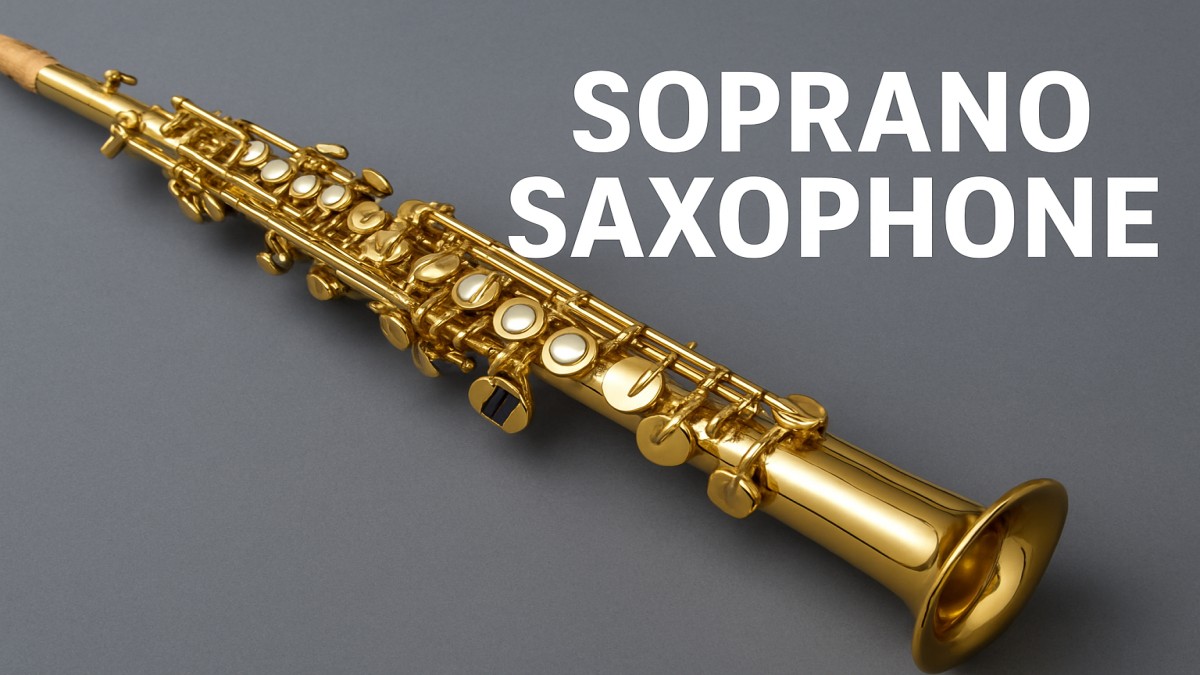
The soprano saxophone is a member of the woodwind family, pitched in the key of B♭. It is known for its straight, slender body—though curved versions also exist—and its higher register sound. Often described as sweet, clear, and piercing, its sound bridges classical elegance and jazz edge.
Brief History of the Soprano Sax
Invented by Adolphe Sax in the 1840s, the soprano saxophone was originally intended for orchestral use. However, it gained serious popularity in jazz during the early 20th century thanks to legends like Sidney Bechet and John Coltrane.
Types of Soprano Saxophones
Straight vs Curved Soprano Saxophones
Straight soprano saxophones resemble a clarinet and are more common. Curved models offer a warmer tone and different projection style, often preferred in solo jazz performances for their look and feel.
Key Materials and Their Impact on Sound
Brass is the most common material, but silver and gold plating can influence the instrument’s tonal characteristics. Gold tends to warm the tone, while silver can brighten it.
Features and Specifications
Range and Tuning
The soprano saxophone typically ranges from written B♭3 to F#6. It’s a transposing instrument, sounding a major second higher than written music.
Common Keys and Fingering System
Most soprano saxophones have the same key mechanism as other saxophones, using the Boehm system. High F# key is common in modern models.
Mouthpieces and Reeds
Mouthpiece design dramatically affects tone. Beginners usually start with a closed tip for easier playability, while professionals may prefer open-tip designs for expressiveness. Reeds come in varying strengths and need regular replacement.
Playing the Soprano Saxophone
Embouchure and Breathing Techniques
Due to its higher register, the soprano sax requires a firm but flexible embouchure. Breathing from the diaphragm and controlling airflow is critical for maintaining a stable tone.
Intonation Challenges
It’s notoriously harder to play in tune compared to other saxophones. The small size exaggerates pitch inconsistencies, making ear training essential.
Beginner Tips for New Players
Start with long tones, invest in a good mouthpiece, and record your practice to monitor pitch. Also, don’t be discouraged by early tuning issues—they improve with time.
Musical Styles and Use Cases
Jazz and the Soprano Saxophone
The soprano sax shines in jazz thanks to its expressive tone. From Bechet’s energetic solos to Coltrane’s meditative lines, the instrument remains a staple in modern jazz setups.
Classical Music
Though less common than other saxophones, the soprano is featured in various contemporary classical compositions and chamber music settings.
Contemporary and Experimental Uses
Modern players use the soprano sax in fusion, pop, and electronic genres. Its penetrating sound blends well with effects pedals and loops.
Notable Soprano Saxophonists
Sidney Bechet
A pioneer of soprano sax in jazz, Bechet brought soulful vibrato and melodic improvisation into the spotlight.
John Coltrane
Coltrane’s work on the soprano sax, especially in tracks like My Favorite Things, helped redefine the instrument’s expressive capabilities.
Wayne Shorter
Shorter’s poetic, atmospheric soprano work with Weather Report and Miles Davis’ quintet expanded its role in fusion and modal jazz.
Buying Guide
What to Look For in a Soprano Sax
Focus on build quality, key action, tone consistency, and intonation. A test play is essential before purchase.
Student vs Professional Models
Student models are affordable and durable but may lack tonal richness. Professional models, while pricier, offer better intonation, ergonomics, and tonal flexibility.
Popular Brands to Consider
Yamaha, Selmer, Yanagisawa, and Jupiter are highly regarded for both beginner and professional-level instruments.
Conclusion
The soprano saxophone might be small, but it has a huge presence—whether in a jazz ensemble, classical group, or fusion band. With its distinct voice and demanding technique, it challenges musicians to grow while rewarding them with unmatched expressiveness. Whether you’re a beginner or a pro, the soprano saxophone offers a rich journey worth exploring.
FAQs
Q1: Is soprano sax harder than alto?
Yes, due to its higher pitch and sensitive intonation, the soprano sax is generally considered more difficult than the alto.
Q2: How much does a soprano sax weigh?
On average, a soprano saxophone weighs between 2.5 to 3.5 pounds (1.1 to 1.6 kg).
Q3: Can you self-learn soprano sax?
It’s possible with online resources and dedication, though a teacher can help correct technique and intonation faster.
Q4: What music is best for soprano sax?
Jazz, classical, and experimental music are ideal genres. It’s especially expressive in solo and chamber settings.
Q5: How long does it take to master?
With consistent practice, it can take 3–5 years to develop proficiency and control over tone and intonation.

How to Start a Lawn Mowing Business: Simple Steps That Turn Mowing Into Income

How to Start a Dog Walking Business: Simple Steps That Turn Walks Into Income

How to Start a House Cleaning Business: Simple Steps That Win Your First Clients

How to Pay Employees in Your Small Business: Simple Steps That Get It Right

How to Do Market Research for Small Business: Simple Steps That Find Your Customers

How to Start a Tutoring Business: Simple Steps That Turn Your Knowledge Into Income

How to Create a Digital Product to Sell: A Simple Guide for Small Business Beginners

Christmas Marketing Ideas for Small Businesses: Simple Ways to Win Festive Customers

Benefit of Sole Proprietorship: Simple Advantages That Make Starting Easy

Grant Funding for Small Businesses: A Simple Guide to Finding and Winning Grants

How to Repurpose Blog Content for Social Media Without Starting From Scratch

How to Write a Simple Business Plan for Your Small Business: A Practical Guide That Gets You Started

How to Create a Small Business Content Marketing Plan That Actually Gets Results
How to Handle Customer Complaints in a Small Business: A Calm, Practical Guide That Turns Problems Into Loyalty

How to Get More Clients for Your Business: Simple Ways That Actually Work

How to Create a Content Calendar for a Small Business

How to Write a Professional Business Email That Gets a Reply

How to Set SMART Goals for a Small Business: A Practical Guide That Actually Works

How to Set Up a Simple Referral Program for Your Small Business: A Beginner’s Guide That Brings in New Customers

How to Write a Business Proposal for Your Small Business: A Simple Guide That Wins Clients

How to Start a Lawn Mowing Business: Simple Steps That Turn Mowing Into Income

How to Start a Dog Walking Business: Simple Steps That Turn Walks Into Income

How to Start a House Cleaning Business: Simple Steps That Win Your First Clients

How to Pay Employees in Your Small Business: Simple Steps That Get It Right

How to Do Market Research for Small Business: Simple Steps That Find Your Customers

How to Start a Tutoring Business: Simple Steps That Turn Your Knowledge Into Income

How to Create a Digital Product to Sell: A Simple Guide for Small Business Beginners

Christmas Marketing Ideas for Small Businesses: Simple Ways to Win Festive Customers

Benefit of Sole Proprietorship: Simple Advantages That Make Starting Easy

Grant Funding for Small Businesses: A Simple Guide to Finding and Winning Grants
Trending
entertainment1 year agoPYT Telegram: A Complete Guide to Understanding, Using, and Maximizing It
entertainment1 year agoOnionFlix: Everything You Need to Know About This Streaming Website
education1 year agoHow to Become a Software Engineer: A Complete Guide
others1 year agoNook vs Kindle: Which E-Reader Is Right for You?