others
The Complete Guide to Bullwhips: History, Uses, and Craftsmanship

Introduction
The bullwhip is more than just a tool it’s a blend of history, science, and artistry. From ranching in the Old West to dazzling Hollywood performances, the bullwhip has carved out a unique place in human culture. But what makes this whip so special? Let’s dive into its story.
History of the Bullwhip
Bullwhips have ancient origins, with variations dating back thousands of years. They were primarily used in agriculture, especially cattle herding, where the whip’s sharp crack could control herds without physical contact. Over time, bullwhips gained cultural significance, symbolizing power, control, and mastery.
Anatomy of a Bullwhip
A traditional bullwhip has four main parts:
- The Handle – Provides grip and control.
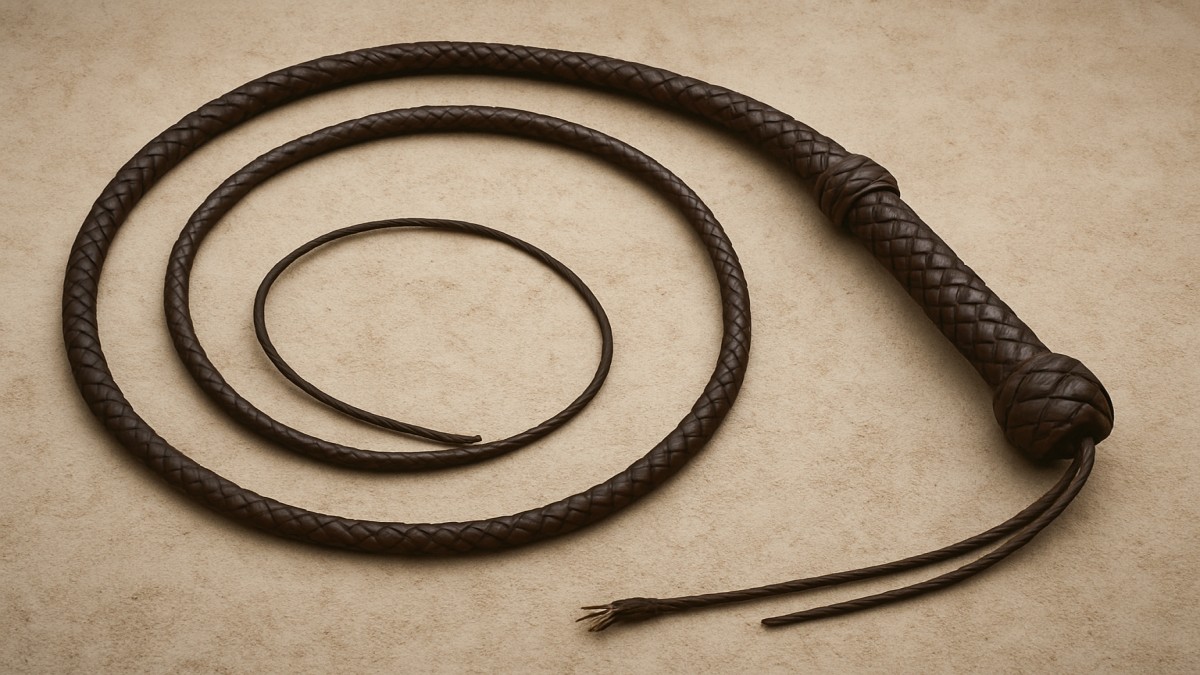
- The Braided Body (Thongs) – The long, tapered section that gives the whip flexibility.
- The Fall – A replaceable leather piece connecting the body to the cracker.
- The Cracker (or Popper) – The small piece that actually makes the whip crack.
Materials range from kangaroo leather (premium for durability) to nylon (affordable and weather-resistant).
How a Bullwhip Works
The bullwhip is famous for producing the loud “crack,” which is actually a tiny sonic boom. As the whip is thrown, energy travels down the tapering length, accelerating the tip past the speed of sound. This unique design is why bullwhips remain unmatched in both power and sound.
Traditional Uses of Bullwhips
In ranching, bullwhips were indispensable. A single crack could direct cattle without striking them. Farmers also used whips for daily work, sometimes even for self-defense against wild animals.
Bullwhips in Pop Culture
Thanks to Hollywood, the bullwhip became iconic. Indiana Jones swinging across caves is perhaps the most famous pop culture image of a whip. They’re also seen in circuses, stage acts, and even competitive whip-cracking events.
The Craft of Bullwhip Making
Bullwhip making is an art. Craftsmen braid layers of leather or nylon tightly, ensuring strength and balance. A well-made whip tapers smoothly, giving it speed and control. Handmade bullwhips are prized for their precision and artistry.
Types of Bullwhips
- Bullwhip – Classic design with a short handle.
- Stockwhip – Longer handle, popular in Australia.
- Snake Whip – No handle, compact and portable.
- Target Whip – Designed for accuracy in performances.
Learning to Use a Bullwhip
If you’re new, safety is key. Start with short whips (6–8 feet), wear protective glasses, and practice basic cracks like the cattleman’s crack or sidearm crack. Like learning guitar, it takes patience and rhythm.
Safety and Precautions
Bullwhips are powerful and can cause injuries. Always practice in open spaces, away from people, pets, and breakables. Avoid overextending your arm to prevent strain.
Maintaining a Bullwhip
A whip needs care. Leather whips should be oiled to prevent drying and cracking, while nylon whips require minimal upkeep. Store them loosely coiled in a cool, dry place.
Modern Uses of Bullwhips
Today, bullwhips aren’t just ranching tools. They’re used in martial arts, performance arts, and sports competitions. Enthusiasts practice precision stunts, like cutting paper or snuffing candles with a whip crack.
Choosing the Right Bullwhip
Beginners should start with a nylon whip (8 feet or less). Professionals often choose kangaroo leather whips for durability and performance. Always consider your purpose—practice, performance, or collection—before buying.
The Bullwhip as an Art Form
Many collectors see bullwhips as more than tools—they’re works of art. Skilled whip makers design intricate braids, handles, and patterns, making each piece unique.
Conclusion
The bullwhip is a rare tool that blends history, function, and artistry. From herding cattle to starring in Hollywood, it continues to captivate people worldwide. Whether you see it as a ranching tool, a performance instrument, or a cultural symbol, one thing is clear: the bullwhip isn’t fading into history anytime soon.
FAQs
1. What is the difference between a bullwhip and a stockwhip?
A bullwhip has a short handle and is more flexible, while a stockwhip has a longer handle, giving it extra reach.
2. Can a bullwhip really break the sound barrier?
Yes! The crack of a bullwhip is a tiny sonic boom created when the tip exceeds the speed of sound.
3. Are bullwhips legal to own?
In most places, yes, but some regions may have restrictions. Always check local laws.
4. What’s the best whip for beginners?
A nylon whip, 6–8 feet long, is ideal for beginners due to its durability and low maintenance.
5. How do I safely learn whip-cracking?
Practice outdoors, wear safety glasses, and start with basic cracks before attempting advanced tricks.

Consultative Selling Techniques: A Complete Guide to Building Customer Trust in 2026

Sales Objection Handling: A Complete Guide to Closing More Deals in 2026

Customer Closing Techniques: A Complete Guide to Converting Prospects into Buyers (2026)

Customer Conversion Process: A Complete Guide to Turning Visitors into Loyal Customers (2026)

Sales Funnel Examples: A Complete Guide to Converting More Customers (2026)

Lead Qualification Framework: A Complete Guide to Finding High-Quality Customers (2026)

Website Credibility Factors: A Complete Guide to Building Trust Online (2026)

Online Reputation Monitoring: A Complete Guide to Protecting Your Brand in 2026

Customer Testimonial Strategy: A Complete Guide to Building Trust and Increasing Sales (2026)

Business Storytelling Framework: A Complete Guide to Building Strong Brand Connections (2026)
Consultative Selling Techniques: A Complete Guide to Building Customer Trust in 2026
Sales Objection Handling: A Complete Guide to Closing More Deals in 2026
Customer Closing Techniques: A Complete Guide to Converting Prospects into Buyers (2026)
Customer Conversion Process: A Complete Guide to Turning Visitors into Loyal Customers (2026)
Sales Funnel Examples: A Complete Guide to Converting More Customers (2026)
Lead Qualification Framework: A Complete Guide to Finding High-Quality Customers (2026)
Website Credibility Factors: A Complete Guide to Building Trust Online (2026)
Online Reputation Monitoring: A Complete Guide to Protecting Your Brand in 2026
Customer Testimonial Strategy: A Complete Guide to Building Trust and Increasing Sales (2026)
Business Storytelling Framework: A Complete Guide to Building Strong Brand Connections (2026)

 entertainment1 year ago
PYT Telegram: A Complete Guide to Understanding, Using, and Maximizing It

 entertainment1 year ago
OnionFlix: Everything You Need to Know About This Streaming Website
- education1 year ago
How to Become a Software Engineer: A Complete Guide
- others12 months ago
Nook vs Kindle: Which E-Reader Is Right for You?