education
CXO Full Form: Meaning, Roles, and Importance in Business

Introduction
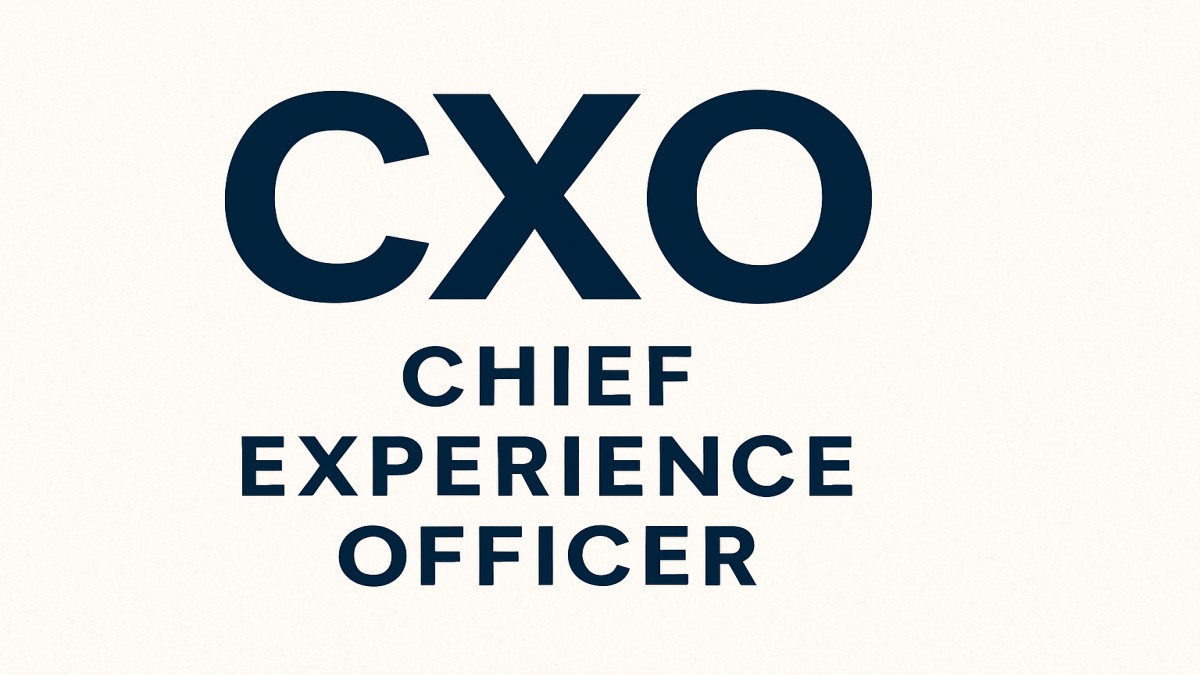
CXO Full Form. If you’ve ever wondered what “CXO” really means, you’re not alone. It’s a term that often pops up in business discussions, but many don’t fully understand its significance. In simple terms, CXO represents leadership positions in an organization, covering a wide range of specialized roles.
CXO Full Form Explained
The full form of CXO is Chief (X) Officer, where the “X” is replaced with a specific function or area of responsibility. For example:
- CEO = Chief Executive Officer.
- CFO = Chief Financial Officer.
- CTO = Chief Technology Officer.
This format allows companies to create different leadership roles depending on their structure and needs.
The Evolution of CXO Titles
In earlier days, companies mainly had a CEO and maybe a CFO. But as businesses grew more complex, new leadership positions emerged. Technology, marketing, data, and sustainability became vital, giving birth to new CXO titles. Today, the “C-suite” (the group of CXOs) represents the backbone of corporate governance.
Common Types of CXO Roles
Some of the most recognized CXO roles include:
- CEO (Chief Executive Officer): The overall leader, responsible for strategy and direction.
- CFO (Chief Financial Officer): Manages financial planning and company resources.
- COO (Chief Operating Officer): Handles daily operations.
- CTO (Chief Technology Officer): Focuses on innovation and technological advancement.
- CMO (Chief Marketing Officer): Drives branding, sales, and customer engagement.
- CHRO (Chief Human Resources Officer): Manages people, culture, and workforce policies.
- CIO (Chief Information Officer): Oversees IT infrastructure and digital transformation.
Emerging CXO Positions
In today’s digital-first world, new CXO roles are becoming popular:
- CDO (Chief Digital Officer): Guides companies through digital transformation.
- CSO (Chief Sustainability Officer): Focuses on eco-friendly practices and corporate responsibility.
- CISO (Chief Information Security Officer): Protects data and IT systems.
- CXO (Chief Experience Officer): Ensures customers have the best possible experience.
Responsibilities of CXOs
CXOs are responsible for:
- Leading departments.
- Making key strategic decisions.
- Representing the company externally.
- Guiding teams toward shared goals.
They’re not just figureheads—they shape the direction of the business.
The Role of CXOs in Business Success
Every CXO plays a vital part in ensuring a company’s growth. For example, a CFO safeguards financial health, while a CTO pushes innovation. Together, CXOs form a team that balances vision, execution, and customer satisfaction.
CXOs in Startups vs. Corporations
In startups, CXO roles are often flexible, with one person wearing multiple hats. In large corporations, however, roles are more specialized and structured, with each CXO focusing on a particular area.
Skills Every CXO Must Have
Being a CXO isn’t just about a fancy title. It requires:
- Strategic thinking to see the bigger picture.
- Leadership skills to inspire teams.
- Communication abilities to build trust.
- Technical and analytical skills to make data-driven decisions.
Challenges Faced by CXOs
CXOs deal with enormous pressure. They must keep up with rapid technological changes, handle competition, and manage global business risks while balancing short-term performance and long-term strategy.
The Impact of Technology on CXO Roles
Technology has changed everything. Digital transformation, artificial intelligence, and big data have shifted how CXOs operate. Today, decision-making is more data-driven, and cybersecurity is at the top of every boardroom agenda.
CXOs and Corporate Culture
Beyond business, CXOs shape the company culture. They set the tone for values, promote diversity, and create a workplace where people feel motivated and included.
Future of CXO Roles
The future will bring even more CXO positions. Sustainability, AI ethics, and customer experience will lead to new hybrid roles. The C-suite is no longer static—it evolves with the challenges businesses face.
How to Become a CXO
The path to becoming a CXO involves:
- Strong academic background (often MBA or specialized degrees).
- Years of professional experience in the relevant domain.
- Developing leadership and decision-making skills.
- Building a strong professional network and seeking mentorship.
Conclusion
CXO stands for Chief (X) Officer, a title that represents leadership, strategy, and specialization in business. From CEOs to emerging roles like CSOs and CISOs, CXOs shape the success of organizations across industries. As business challenges grow, so does the importance of the C-suite.
FAQs
1. What is the full form of CXO?
CXO stands for Chief (X) Officer, where “X” represents the area of specialization like Executive, Financial, Technology, etc.
2. Who is higher, CEO or CXO?
The CEO is the highest-ranking CXO, usually the top authority in a company.
3. Is CXO the same as CEO?
No. CEO is one specific CXO role (Chief Executive Officer), while CXO is a general term for all Chief-level officers.
4. What are the qualifications to become a CXO?
Most CXOs hold advanced degrees, have extensive industry experience, and strong leadership skills.
5. What is the role of emerging CXO titles?
Emerging CXOs like CSOs, CISOs, and CXOs (Experience) focus on modern challenges like sustainability, cybersecurity, and customer experience.

Consultative Selling Techniques: A Complete Guide to Building Customer Trust in 2026

Sales Objection Handling: A Complete Guide to Closing More Deals in 2026

Customer Closing Techniques: A Complete Guide to Converting Prospects into Buyers (2026)

Customer Conversion Process: A Complete Guide to Turning Visitors into Loyal Customers (2026)

Sales Funnel Examples: A Complete Guide to Converting More Customers (2026)

Lead Qualification Framework: A Complete Guide to Finding High-Quality Customers (2026)

Website Credibility Factors: A Complete Guide to Building Trust Online (2026)

Online Reputation Monitoring: A Complete Guide to Protecting Your Brand in 2026

Customer Testimonial Strategy: A Complete Guide to Building Trust and Increasing Sales (2026)

Business Storytelling Framework: A Complete Guide to Building Strong Brand Connections (2026)
Consultative Selling Techniques: A Complete Guide to Building Customer Trust in 2026
Sales Objection Handling: A Complete Guide to Closing More Deals in 2026
Customer Closing Techniques: A Complete Guide to Converting Prospects into Buyers (2026)
Customer Conversion Process: A Complete Guide to Turning Visitors into Loyal Customers (2026)
Sales Funnel Examples: A Complete Guide to Converting More Customers (2026)
Lead Qualification Framework: A Complete Guide to Finding High-Quality Customers (2026)
Website Credibility Factors: A Complete Guide to Building Trust Online (2026)
Online Reputation Monitoring: A Complete Guide to Protecting Your Brand in 2026
Customer Testimonial Strategy: A Complete Guide to Building Trust and Increasing Sales (2026)
Business Storytelling Framework: A Complete Guide to Building Strong Brand Connections (2026)

 entertainment1 year ago
PYT Telegram: A Complete Guide to Understanding, Using, and Maximizing It

 entertainment1 year ago
OnionFlix: Everything You Need to Know About This Streaming Website
- education1 year ago
How to Become a Software Engineer: A Complete Guide
- others12 months ago
Nook vs Kindle: Which E-Reader Is Right for You?