Technology
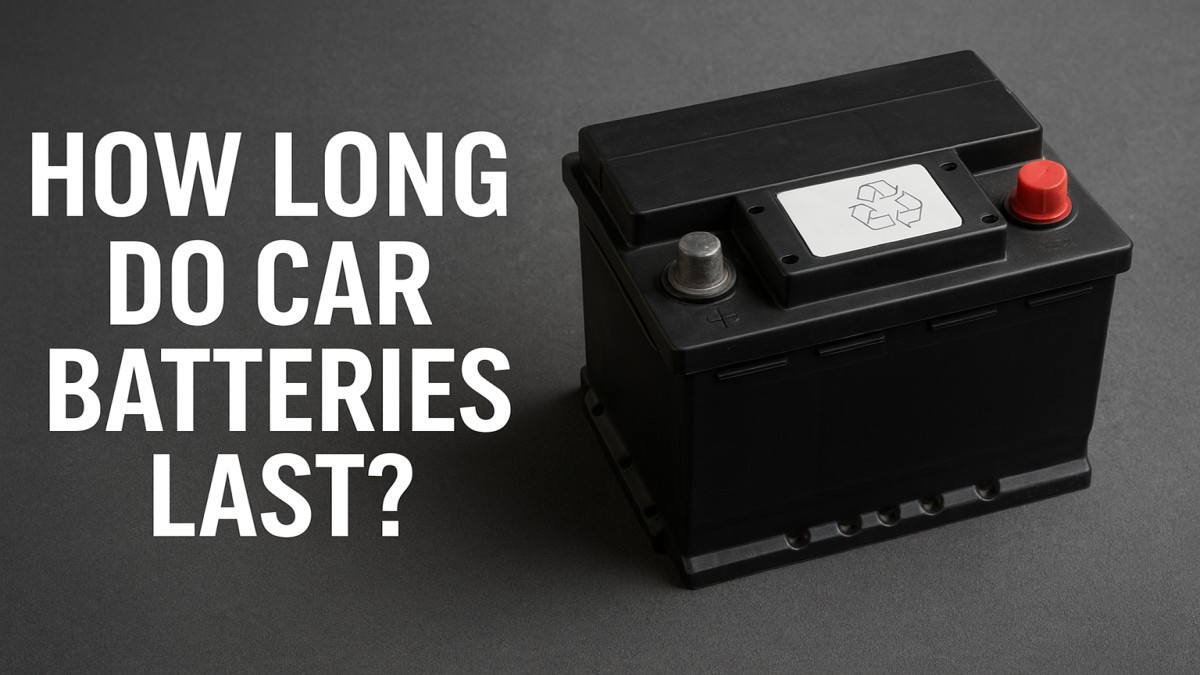
How Long Do Car Batteries Last? A Complete Guide

Introduction
How Long Do Car Batteries Last. Ever turned your key and heard nothing but a weak click? That dreaded silence usually points to a dead car battery. While car batteries don’t last forever, understanding their lifespan helps prevent those inconvenient breakdowns. So, how long do car batteries actually last, and what can you do to make them last longer? Let’s dig in.
Average Lifespan of Car Batteries
On average, most car batteries last 3 to 5 years. Some stretch to 6 or more, but it depends heavily on how and where you drive.
- Mileage impact: Frequent long drives keep your battery charged, while short city trips often drain it.
- Climate factor: Extreme cold and heat both put stress on the battery, reducing its lifespan.
Simply put, a battery in a hot desert climate may last only 2 years, while one in a mild environment could push past 5.
Types of Car Batteries and Their Lifespan
Lead-Acid Batteries
The most common and affordable type. Lifespan: 3–4 years. Reliable but sensitive to extreme conditions.
AGM (Absorbent Glass Mat) Batteries
Advanced design, better for vehicles with lots of electronics. Lifespan: 4–6 years. More durable than standard lead-acid.
Lithium-Ion Batteries
Common in hybrid and electric vehicles. Lifespan: 8–10 years, sometimes longer. Lightweight and efficient but pricey.
Deep-Cycle Batteries
Built for RVs, boats, and golf carts. Lifespan: 4–8 years, depending on usage and charging practices.
Factors That Affect Car Battery Life
Climate and Weather Conditions
- Hot climates: Heat evaporates battery fluid and accelerates corrosion.
- Cold climates: Freezing temps slow chemical reactions, making it harder to start the engine.
Driving Habits
- Short trips prevent full charging.
- Heavy use of lights, AC, and entertainment systems drains power.
Maintenance Practices
- Dirty terminals cause poor connections.
- Loose cables and corrosion shorten lifespan.
Electrical Load and Accessories
Modern cars are loaded with electronics. From heated seats to GPS systems, extra load means more strain on the battery.
Signs Your Car Battery Is Failing
Slow Engine Crank
If your engine sounds sluggish when starting, the battery may be weak.
Dim Lights and Electrical Issues
Flickering dashboard lights, dim headlights, or malfunctioning electronics are classic signs.
Check Engine or Battery Light
Your dashboard warning lights are there for a reason—don’t ignore them.
Swollen Battery Case or Corrosion
If the battery case looks bloated or the terminals are crusty, it’s time to act.
How to Extend the Life of Your Car Battery
Regular Maintenance Tips
- Clean terminals to prevent corrosion.
- Ensure cables are tight and secure.
Proper Charging Habits
- Drive at least 20 minutes on trips to fully recharge.
- Avoid leaving electronics on when the engine is off.
Seasonal Care (Winter and Summer)
- In winter, keep your battery fully charged to handle cold starts.
- In summer, park in the shade to reduce heat stress.
Testing and Monitoring Car Batteries
Using a Multimeter
A simple check: fully charged batteries should read 12.6 volts or more.
Professional Battery Testing
Auto shops use load testers to measure battery health under stress.
Smart Battery Monitors
These handy devices connect to your phone and track battery health in real time.
When to Replace a Car Battery
Average Replacement Timeline
Every 3–5 years is the safe zone for most car owners.
Warning Signs That Indicate Replacement
Frequent jump-starts, dimming lights, or odd smells from the battery mean replacement is due.
Cost of Battery Replacement
- Standard lead-acid: $70–$150
- AGM or premium models: $200–$400
Eco-Friendly Disposal of Old Car Batteries
Don’t toss your old battery in the trash—it’s hazardous waste.
- Recycling centers accept car batteries for safe disposal.
- Auto shops and retailers often offer trade-in programs with discounts.
Conclusion
Car batteries aren’t built to last forever, but with good care, you can get the most out of them. Remember, most last 3 to 5 years, but driving habits, climate, and maintenance make a huge difference. Don’t wait until your car leaves you stranded—watch for warning signs, test your battery regularly, and replace it before it dies. A little attention now saves a big headache later.
FAQs
1. How often should you check your car battery?
At least twice a year—once before summer and once before winter.
2. Can a car battery last 10 years?
It’s rare. Only high-quality lithium-ion batteries in hybrids or EVs may last close to a decade.
3. What shortens a car battery’s life the most?
Extreme heat, frequent short trips, and poor maintenance.
4. How do you know if it’s the alternator or the battery?
If your car dies shortly after a jump-start, the alternator is likely the issue. If it starts fine but struggles later, it’s probably the battery.
5. Should you replace your battery before it dies?
Yes. Proactive replacement avoids sudden breakdowns and keeps you safe.

Consultative Selling Techniques: A Complete Guide to Building Customer Trust in 2026

Sales Objection Handling: A Complete Guide to Closing More Deals in 2026

Customer Closing Techniques: A Complete Guide to Converting Prospects into Buyers (2026)

Customer Conversion Process: A Complete Guide to Turning Visitors into Loyal Customers (2026)

Sales Funnel Examples: A Complete Guide to Converting More Customers (2026)

Lead Qualification Framework: A Complete Guide to Finding High-Quality Customers (2026)

Website Credibility Factors: A Complete Guide to Building Trust Online (2026)

Online Reputation Monitoring: A Complete Guide to Protecting Your Brand in 2026

Customer Testimonial Strategy: A Complete Guide to Building Trust and Increasing Sales (2026)

Business Storytelling Framework: A Complete Guide to Building Strong Brand Connections (2026)
Consultative Selling Techniques: A Complete Guide to Building Customer Trust in 2026
Sales Objection Handling: A Complete Guide to Closing More Deals in 2026
Customer Closing Techniques: A Complete Guide to Converting Prospects into Buyers (2026)
Customer Conversion Process: A Complete Guide to Turning Visitors into Loyal Customers (2026)
Sales Funnel Examples: A Complete Guide to Converting More Customers (2026)
Lead Qualification Framework: A Complete Guide to Finding High-Quality Customers (2026)
Website Credibility Factors: A Complete Guide to Building Trust Online (2026)
Online Reputation Monitoring: A Complete Guide to Protecting Your Brand in 2026
Customer Testimonial Strategy: A Complete Guide to Building Trust and Increasing Sales (2026)
Business Storytelling Framework: A Complete Guide to Building Strong Brand Connections (2026)

 entertainment1 year ago
PYT Telegram: A Complete Guide to Understanding, Using, and Maximizing It

 entertainment1 year ago
OnionFlix: Everything You Need to Know About This Streaming Website
- education1 year ago
How to Become a Software Engineer: A Complete Guide
- others12 months ago
Nook vs Kindle: Which E-Reader Is Right for You?