Health
Pulp Capping: Preserving Tooth Vitality in Modern Dentistry

Introduction
In the world of modern dentistry, the goal is not just to restore but to preserve. One such conservative approach is pulp capping a procedure designed to maintain the vitality of a tooth’s pulp after it has been exposed or nearly exposed due to decay or trauma. Rather than resorting to root canal treatment immediately, pulp capping gives the natural tooth a fighting chance to heal and remain alive.
What is Pulp Capping?
Pulp capping is a dental procedure that involves placing a protective biocompatible material over an exposed or nearly exposed dental pulp. The main goal is to stimulate the formation of dentin (the protective layer beneath enamel) and protect the pulp from further damage or bacterial invasion.
In simpler terms, it’s like putting a healing bandage over a wound inside your tooth.
Types of Pulp Capping
Pulp capping is divided into two main categories, depending on the extent of pulp exposure:
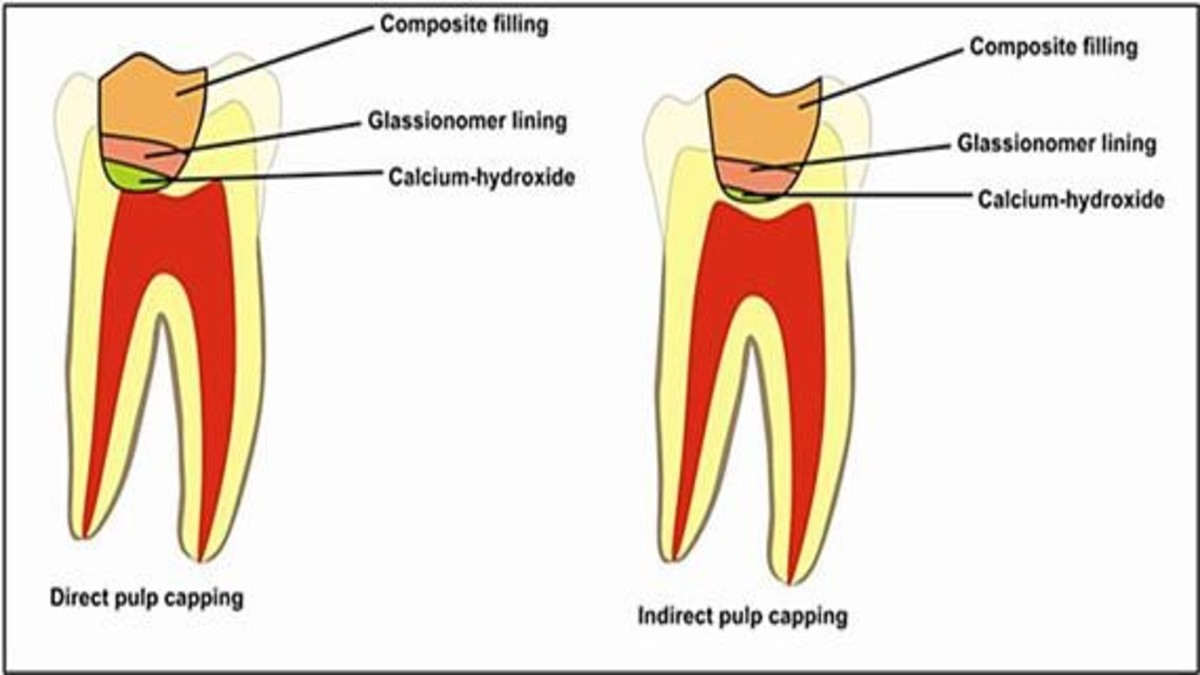
1. Direct Pulp Capping
This procedure is performed when the pulp is actually exposed, often due to caries removal or trauma. A protective material is placed directly over the exposed pulp to encourage healing and dentin bridge formation.
2. Indirect Pulp Capping
Here, the pulp is not exposed, but the decay is very close to it. The dentist removes the infected dentin, leaves a thin layer of affected dentin to avoid pulp exposure, and then covers it with a protective medicament. Over time, new dentin forms beneath the capping material.
Objectives of Pulp Capping
The main goals of pulp capping include:
- Preserving pulp vitality
- Preventing bacterial infection
- Stimulating reparative dentin formation
- Avoiding the need for root canal therapy
By achieving these, dentists can save teeth that might otherwise require more invasive procedures.
When is Pulp Capping Indicated?
Pulp capping is not suitable for every case of deep decay or injury. It’s ideal in the following situations:
- A mechanical or traumatic pulp exposure with minimal bleeding
- Caries exposure where the pulp is still healthy or only mildly inflamed
- Young permanent teeth, where maintaining pulp vitality helps root development
However, the pulp must be vital and free from irreversible inflammation or infection for pulp capping to succeed.
When is Pulp Capping Contraindicated?
Pulp capping should not be performed when:
- There is spontaneous or prolonged pain
- The tooth shows periapical pathology (abscess, radiolucency)
- There is excessive bleeding from the pulp exposure
- The pulp is necrotic or non-vital
In such cases, root canal therapy is the more appropriate treatment.
Materials Used for Pulp Capping
The success of pulp capping greatly depends on the material used. Over the years, many materials have been developed, but a few have stood out for their effectiveness:
1. Calcium Hydroxide (Ca(OH)₂)
- The traditional “gold standard.”
- It promotes dentin bridge formation and has strong antibacterial properties.
- However, it may dissolve over time and show tunnel defects in the dentin bridge.
2. Mineral Trioxide Aggregate (MTA)
- A modern and highly biocompatible material.
- It provides an excellent seal and stimulates dentinogenesis.
- Its only downsides are long setting time and higher cost.
3. Biodentine
- A newer alternative to MTA with faster setting time.
- It mimics dentin and provides an excellent barrier against bacteria.
4. Glass Ionomer Cement
- Often used as a temporary sealing material in indirect pulp capping.
- Bonds well to dentin and releases fluoride.
5. Resin-Modified Materials
- Used in combination with other medicaments for additional protection.
Each material serves a specific clinical scenario, and the dentist chooses based on pulp condition and case requirements.
Conclusion
Pulp capping represents the essence of conservative dentistry—saving what can be saved. By protecting the pulp and promoting natural healing, dentists can preserve the tooth’s vitality, avoid invasive procedures, and ensure long-term oral health. With the development of advanced materials like MTA and Biodentine, the success and predictability of pulp capping continue to rise, making it a cornerstone of modern dental care.
FAQs
1. Is pulp capping painful?
No. The procedure is performed under local anesthesia, and discomfort afterward is usually minimal.
2. How long does pulp capping last?
If done properly, it can last many years, often eliminating the need for a root canal.
3. Can pulp capping be done on baby teeth?
Yes, especially in cases of minimal pulp exposure, to preserve natural tooth function.
4. What happens if pulp capping fails?
If symptoms persist or infection develops, root canal treatment becomes necessary.
5. Is MTA better than calcium hydroxide?
Yes, MTA provides better sealing, less inflammation, and stronger dentin bridge formation than calcium hydroxide.

Consultative Selling Techniques: A Complete Guide to Building Customer Trust in 2026

Sales Objection Handling: A Complete Guide to Closing More Deals in 2026

Customer Closing Techniques: A Complete Guide to Converting Prospects into Buyers (2026)

Customer Conversion Process: A Complete Guide to Turning Visitors into Loyal Customers (2026)

Sales Funnel Examples: A Complete Guide to Converting More Customers (2026)

Lead Qualification Framework: A Complete Guide to Finding High-Quality Customers (2026)

Website Credibility Factors: A Complete Guide to Building Trust Online (2026)

Online Reputation Monitoring: A Complete Guide to Protecting Your Brand in 2026

Customer Testimonial Strategy: A Complete Guide to Building Trust and Increasing Sales (2026)

Business Storytelling Framework: A Complete Guide to Building Strong Brand Connections (2026)
Consultative Selling Techniques: A Complete Guide to Building Customer Trust in 2026
Sales Objection Handling: A Complete Guide to Closing More Deals in 2026
Customer Closing Techniques: A Complete Guide to Converting Prospects into Buyers (2026)
Customer Conversion Process: A Complete Guide to Turning Visitors into Loyal Customers (2026)
Sales Funnel Examples: A Complete Guide to Converting More Customers (2026)
Lead Qualification Framework: A Complete Guide to Finding High-Quality Customers (2026)
Website Credibility Factors: A Complete Guide to Building Trust Online (2026)
Online Reputation Monitoring: A Complete Guide to Protecting Your Brand in 2026
Customer Testimonial Strategy: A Complete Guide to Building Trust and Increasing Sales (2026)
Business Storytelling Framework: A Complete Guide to Building Strong Brand Connections (2026)

 entertainment1 year ago
PYT Telegram: A Complete Guide to Understanding, Using, and Maximizing It

 entertainment1 year ago
OnionFlix: Everything You Need to Know About This Streaming Website
- education1 year ago
How to Become a Software Engineer: A Complete Guide
- others12 months ago
Nook vs Kindle: Which E-Reader Is Right for You?