food
Spoilage of Milk: Causes, Signs, and Prevention

Introduction to Milk Spoilage
Spoilage of Milk. Milk is one of the most widely consumed foods across the world rich in proteins, fats, vitamins, and minerals. However, it’s also highly perishable. Within just a few hours outside refrigeration, milk can begin to spoil due to the rapid growth of microorganisms. Understanding how and why milk spoils helps us prevent waste and protect our health.
What Is Spoiled Milk?
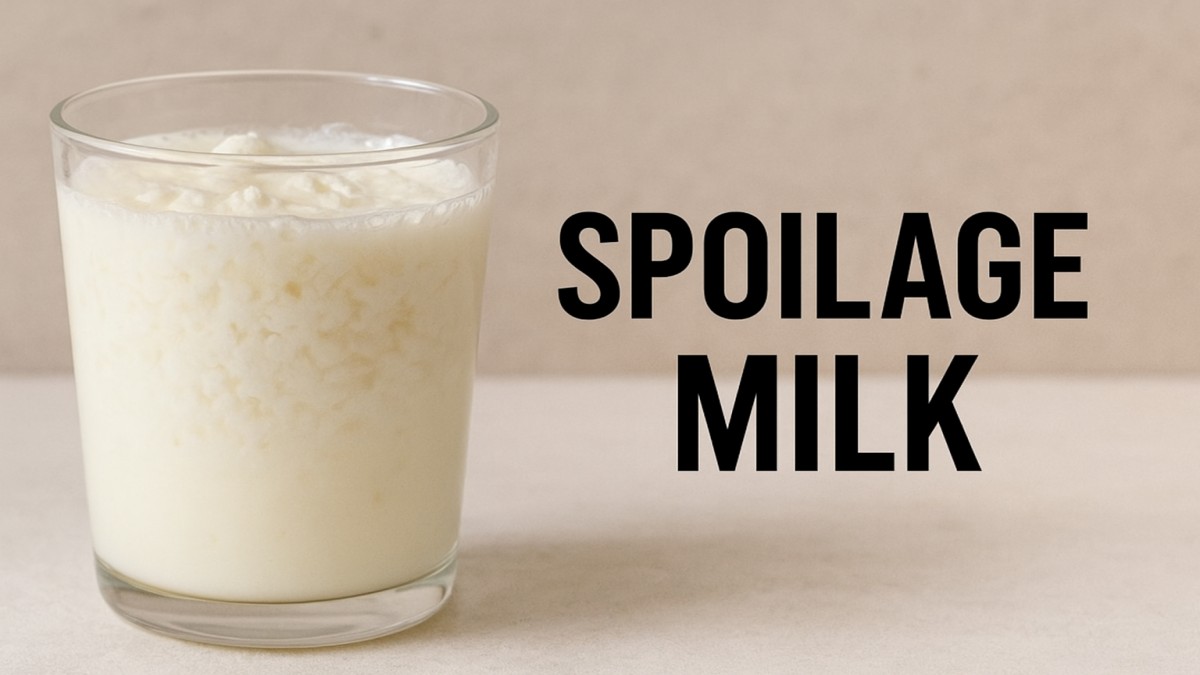
Spoiled milk is milk that has undergone undesirable microbial or chemical changes, making it unsafe or unpleasant to consume. The once-smooth, creamy liquid becomes sour, thick, and lumpy. The cause? Microorganisms mainly bacteria that break down milk’s natural sugars and proteins.
The Science Behind Milk Spoilage
Milk contains lactose (milk sugar), proteins (casein and whey), and fats. When bacteria like Lactobacillus or Streptococcus multiply, they convert lactose into lactic acid, reducing the milk’s pH. This acidification causes the milk proteins to coagulate, leading to the familiar curdled texture and sour smell.
Main Causes of Milk Spoilage
4.1 Bacterial Contamination
This is the primary cause of spoilage. Milk is an excellent medium for bacterial growth, especially if it’s not pasteurized or properly refrigerated. Contamination can occur during milking, processing, or even handling at home.
4.2 Enzymatic Activity
Enzymes like lipase and protease break down fats and proteins, producing off-flavors and odors. These enzymes may come from the milk itself or from bacteria.
4.3 Improper Storage
Leaving milk uncovered or exposed to air allows microorganisms and dust particles to enter, accelerating spoilage.
4.4 Temperature Fluctuations
Milk should be kept at below 4°C (40°F). Each degree above this dramatically increases bacterial activity and reduces shelf life.
Common Microorganisms Responsible for Milk Spoilage
Some of the most common spoilage organisms include:
- Lactobacillus spp. (causes souring)
- Pseudomonas spp. (causes proteolysis)
- Bacillus subtilis (causes ropiness)
- Clostridium butyricum (produces butyric acid and foul odors)
These bacteria can survive even in pasteurized milk if storage conditions are poor.
Chemical Changes During Spoilage
As bacteria break down milk components:
- Lactose → Lactic acid (causing sour taste)
- Proteins → Peptides and ammonia (causing bad odor)
- Fats → Fatty acids (causing rancid taste)
These chemical changes make the milk unpalatable and unsafe for consumption.
Physical Signs of Spoiled Milk
7.1 Sour Odor
A distinct sour smell is often the first indicator of spoilage due to lactic acid production.
7.2 Curdling or Clumping
Milk appears thick and forms lumps when casein proteins coagulate — a sign it has gone bad.
7.3 Change in Color and Texture
Spoiled milk may develop a yellowish tint or appear grainy.
7.4 Gas Formation
Certain bacteria produce gas during fermentation, leading to bloated or leaking containers.
Nutritional Impact of Spoiled Milk
Spoiled milk loses much of its nutritional value because bacterial activity destroys vitamins like B2 (riboflavin) and B12. Proteins also degrade, and the remaining nutrients are often unsafe to consume.
How to Detect Spoilage Early
- Smell Test: A quick sniff can reveal sourness.
- Texture Check: Pour a small amount — if it clumps, it’s spoiled.
- Taste Test: Only if it passes the smell and texture tests. A sour taste means it’s bad.
Tip: Always check the “use by” date and storage temperature.
Types of Milk Spoilage
10.1 Acid Spoilage
Caused by lactic acid bacteria; milk turns sour and curdled.
10.2 Putrefactive Spoilage
Caused by Proteus and Pseudomonas, producing foul-smelling ammonia compounds.
10.3 Lipolytic and Proteolytic Spoilage
Lipolytic spoilage affects fats, leading to rancid flavors, while proteolytic spoilage breaks down proteins, causing sliminess and bitterness.
Impact of Pasteurization on Spoilage
Pasteurization — heating milk to 72°C for 15 seconds — kills most harmful microorganisms. However, spore-forming bacteria like Bacillus and Clostridium can survive and spoil milk later if storage is improper.
Storage Techniques to Prevent Spoilage
- Store milk at below 4°C (40°F).
- Keep containers tightly sealed.
- Avoid leaving milk out during meals.
- Never return leftover milk from a glass to the container.
- Use sterile, clean utensils when handling.
Conclusion
Milk spoilage is a natural process driven by microorganisms and environmental factors. While it’s inevitable over time, proper storage, pasteurization, and hygiene can significantly delay spoilage and ensure safety. By understanding how milk deteriorates, consumers can make smarter choices to minimize waste and health risks.
FAQs
1. How long does milk last after opening?
Typically, 5–7 days in the refrigerator at 4°C or lower.
2. Can boiling milk prevent spoilage?
Boiling can kill bacteria temporarily but doesn’t eliminate spores. It extends shelf life slightly.
3. Why does milk spoil faster in summer?
Higher temperatures promote bacterial growth and faster acidification.
4. Can spoiled milk be used as fertilizer?
Yes, mildly spoiled milk can enrich compost due to its organic content.
5. What is the safest way to store milk?
Always keep milk sealed and refrigerated below 4°C, away from sunlight.

Consultative Selling Techniques: A Complete Guide to Building Customer Trust in 2026

Sales Objection Handling: A Complete Guide to Closing More Deals in 2026

Customer Closing Techniques: A Complete Guide to Converting Prospects into Buyers (2026)

Customer Conversion Process: A Complete Guide to Turning Visitors into Loyal Customers (2026)

Sales Funnel Examples: A Complete Guide to Converting More Customers (2026)

Lead Qualification Framework: A Complete Guide to Finding High-Quality Customers (2026)

Website Credibility Factors: A Complete Guide to Building Trust Online (2026)

Online Reputation Monitoring: A Complete Guide to Protecting Your Brand in 2026

Customer Testimonial Strategy: A Complete Guide to Building Trust and Increasing Sales (2026)

Business Storytelling Framework: A Complete Guide to Building Strong Brand Connections (2026)
Consultative Selling Techniques: A Complete Guide to Building Customer Trust in 2026
Sales Objection Handling: A Complete Guide to Closing More Deals in 2026
Customer Closing Techniques: A Complete Guide to Converting Prospects into Buyers (2026)
Customer Conversion Process: A Complete Guide to Turning Visitors into Loyal Customers (2026)
Sales Funnel Examples: A Complete Guide to Converting More Customers (2026)
Lead Qualification Framework: A Complete Guide to Finding High-Quality Customers (2026)
Website Credibility Factors: A Complete Guide to Building Trust Online (2026)
Online Reputation Monitoring: A Complete Guide to Protecting Your Brand in 2026
Customer Testimonial Strategy: A Complete Guide to Building Trust and Increasing Sales (2026)
Business Storytelling Framework: A Complete Guide to Building Strong Brand Connections (2026)

 entertainment1 year ago
PYT Telegram: A Complete Guide to Understanding, Using, and Maximizing It

 entertainment1 year ago
OnionFlix: Everything You Need to Know About This Streaming Website
- education1 year ago
How to Become a Software Engineer: A Complete Guide
- others12 months ago
Nook vs Kindle: Which E-Reader Is Right for You?