food
Mango Pulp: Nature’s Sweet Gold

Introduction to Mango Pulp
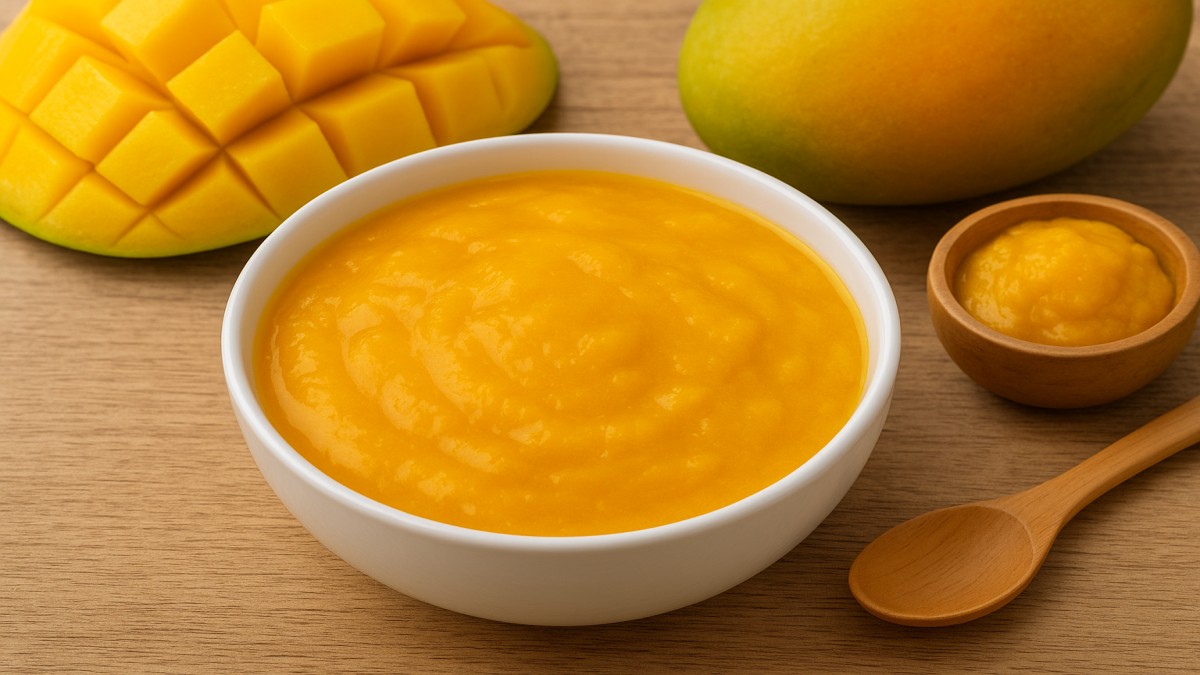
Mango pulp is the sweet, thick, and juicy extract obtained from ripe mangoes often referred to as “liquid sunshine.” It’s a versatile ingredient loved globally for its exotic flavor and rich texture. From juices to desserts, mango pulp adds tropical magic to every dish.
The Process of Making Mango Pulp
Selection of Mango Varieties
Only the best and ripest mangoes are selected for pulp extraction. Varieties like Alphonso, Totapuri, and Kesar are preferred for their aroma, taste, and vibrant color.
Washing and Peeling
The selected mangoes are thoroughly washed to remove dirt and residues. They are then peeled carefully to retain the maximum amount of flesh.
Extraction and Pulping
The peeled mangoes are passed through pulping machines that separate the seed and fiber, resulting in smooth, thick pulp.
Pasteurization and Packaging
To increase shelf life, the pulp is pasteurized and packed in cans, aseptic bags, or frozen containers.
Types of Mango Pulp
Alphonso Mango Pulp
Known as the “King of Mangoes,” Alphonso pulp has a golden-yellow hue, strong aroma, and luscious taste — ideal for beverages and desserts.
Totapuri Mango Pulp
Slightly tangy and less sweet, Totapuri pulp is often used for juices, smoothies, and sauces.
Kesar Mango Pulp
Kesar pulp is famous for its saffron-colored flesh and delicate fragrance, widely used in sweets and dairy products.
Organic Mango Pulp
Free from pesticides and chemicals, organic mango pulp is gaining global popularity among health-conscious consumers.
Nutritional Value of Mango Pulp
Mango pulp is rich in vitamins A, C, and E, along with essential minerals like potassium and magnesium. It provides natural sugars for quick energy while offering antioxidants that protect the body from oxidative stress.
Health Benefits of Mango Pulp
Boosts Immunity
Thanks to its high vitamin C content, mango pulp strengthens the immune system and helps fight infections.
Promotes Digestion
Enzymes like amylases in mango pulp help break down carbohydrates, aiding digestion and improving gut health.
Improves Skin Health
Rich in beta-carotene and vitamin A, it enhances skin glow and reduces acne and pigmentation.
Supports Eye Health
Vitamin A in mango pulp contributes to good vision and prevents night blindness.
Culinary Uses of Mango Pulp
Mango pulp can turn simple dishes into exotic treats.
Beverages and Smoothies
Blend it into milkshakes, cocktails, or mocktails for a refreshing tropical drink.
Desserts and Ice Creams
Use it in puddings, ice creams, or yogurt parfaits for a sweet mango twist.
Sauces and Chutneys
Its natural sweetness pairs well with spices to create unique chutneys and sauces.
Bakery Products
Add mango pulp to cakes, muffins, and pastries for vibrant color and flavor.
Industrial Uses of Mango Pulp
The food and beverage industry uses mango pulp in juices, jams, and concentrates. Dairy companies use it in flavored yogurts, while confectioners use it in candies and fillings. It’s also a major export commodity for tropical countries.
Preservation and Storage
Canning
Canned pulp lasts up to a year if unopened.
Freezing
Frozen pulp can be stored for several months without losing flavor.
Shelf Life Considerations
Once opened, store in an airtight container and refrigerate — best used within a week.
How to Make Mango Pulp at Home
- Select ripe mangoes.
- Wash, peel, and cut into cubes.
- Blend until smooth without adding water.
- Strain to remove fibers.
- Store in airtight jars or freeze for later use.
Tip: A dash of lemon juice can preserve the color and flavor longer.
Conclusion
Mango pulp is truly a golden treasure of nature — delicious, nutritious, and incredibly versatile. Whether you enjoy it fresh or processed, it brings tropical joy to every season. From boosting your health to enhancing cuisines, mango pulp remains one of the most cherished fruit products worldwide.
FAQs
1. Is mango pulp the same as mango puree?
Yes, both terms are often used interchangeably, though puree may be slightly thicker.
2. How long does mango pulp last once opened?
Refrigerated pulp lasts about 5–7 days after opening.
3. Can mango pulp be used for baby food?
Yes, if unsweetened and pure, it’s safe for babies above 6 months.
4. What are the best mango varieties for pulp?
Alphonso, Kesar, and Totapuri are most popular for pulp production.
5. How is canned mango pulp different from fresh pulp?
Canned pulp is pasteurized for longer shelf life, while fresh pulp retains more natural enzymes and aroma.

Consultative Selling Techniques: A Complete Guide to Building Customer Trust in 2026

Sales Objection Handling: A Complete Guide to Closing More Deals in 2026

Customer Closing Techniques: A Complete Guide to Converting Prospects into Buyers (2026)

Customer Conversion Process: A Complete Guide to Turning Visitors into Loyal Customers (2026)

Sales Funnel Examples: A Complete Guide to Converting More Customers (2026)

Lead Qualification Framework: A Complete Guide to Finding High-Quality Customers (2026)

Website Credibility Factors: A Complete Guide to Building Trust Online (2026)

Online Reputation Monitoring: A Complete Guide to Protecting Your Brand in 2026

Customer Testimonial Strategy: A Complete Guide to Building Trust and Increasing Sales (2026)

Business Storytelling Framework: A Complete Guide to Building Strong Brand Connections (2026)
Consultative Selling Techniques: A Complete Guide to Building Customer Trust in 2026
Sales Objection Handling: A Complete Guide to Closing More Deals in 2026
Customer Closing Techniques: A Complete Guide to Converting Prospects into Buyers (2026)
Customer Conversion Process: A Complete Guide to Turning Visitors into Loyal Customers (2026)
Sales Funnel Examples: A Complete Guide to Converting More Customers (2026)
Lead Qualification Framework: A Complete Guide to Finding High-Quality Customers (2026)
Website Credibility Factors: A Complete Guide to Building Trust Online (2026)
Online Reputation Monitoring: A Complete Guide to Protecting Your Brand in 2026
Customer Testimonial Strategy: A Complete Guide to Building Trust and Increasing Sales (2026)
Business Storytelling Framework: A Complete Guide to Building Strong Brand Connections (2026)

 entertainment1 year ago
PYT Telegram: A Complete Guide to Understanding, Using, and Maximizing It

 entertainment1 year ago
OnionFlix: Everything You Need to Know About This Streaming Website
- education1 year ago
How to Become a Software Engineer: A Complete Guide
- others12 months ago
Nook vs Kindle: Which E-Reader Is Right for You?