food
Elephant Garlic: The Giant of the Garlic World

Introduction
If you’ve ever come across a bulb of garlic the size of your fist, you’ve likely met elephant garlic the gentle giant of the allium family. Despite its name, this bulb isn’t true garlic. It’s actually more closely related to leeks, yet it shares many of garlic’s distinctive qualities with a milder flavor, a bigger size, and a unique culinary charm.
Whether you’re a foodie, a home gardener, or simply curious about what makes this oversized bulb so special, this article dives deep into everything you need to know about elephant garlic from its origins and health benefits to how you can cook, grow, and enjoy it.
What Is Elephant Garlic?
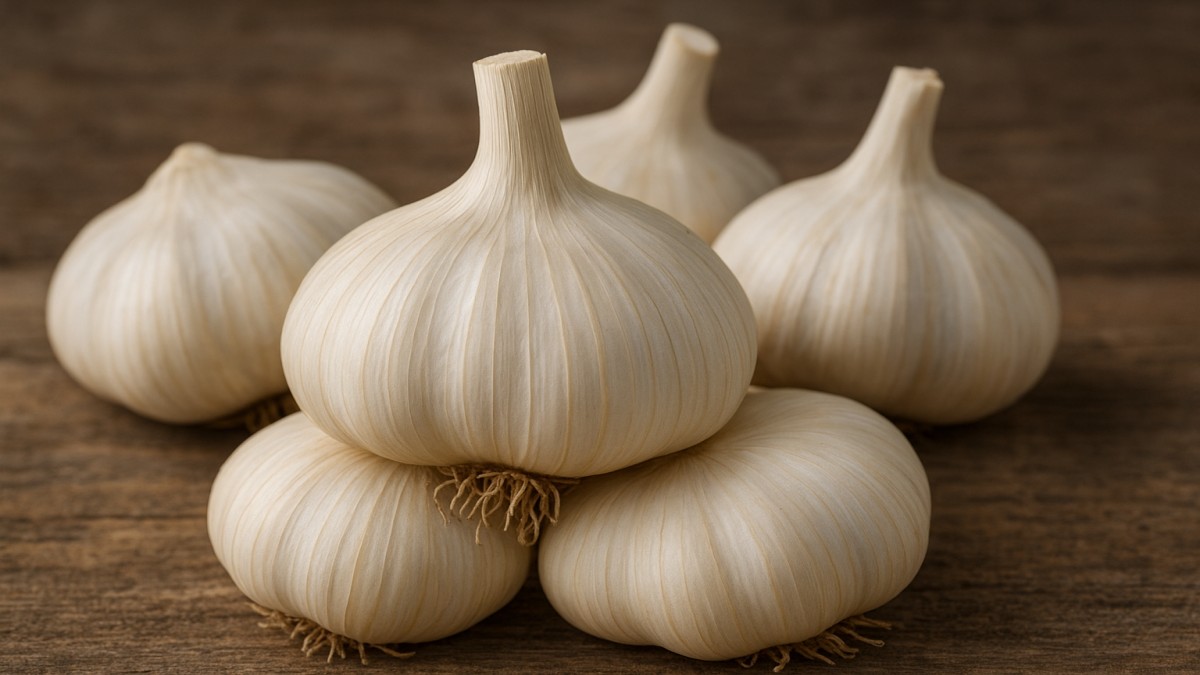
Elephant garlic (Allium ampeloprasum) is a perennial plant belonging to the onion family. It looks like a massive version of regular garlic — each bulb can weigh up to one pound and contains a few large cloves surrounded by smaller bulbils.
Unlike regular garlic, its taste is much milder, slightly sweet, and less pungent. This makes it ideal for dishes where traditional garlic might be too overpowering.
A Brief History and Origin
Elephant garlic has ancient roots, quite literally. Believed to have originated in the Mediterranean region, it was first cultivated by the Greeks and Romans for both culinary and medicinal uses. Over time, it spread across Europe and eventually reached North America, where it became a favorite among chefs and gardeners alike.
Interestingly, elephant garlic wasn’t recognized as a distinct species until the 20th century, when botanists classified it separately from common garlic due to its genetic closeness to the leek.
Elephant Garlic vs. Regular Garlic
| Feature | Elephant Garlic | Regular Garlic |
|---|---|---|
| Size | Much larger (up to 4–5 times bigger) | Smaller, compact bulbs |
| Flavor | Mild, slightly sweet, less pungent | Sharp, spicy, and strong |
| Cloves | Fewer, but much larger | Many small cloves |
| Family Relation | Closer to leeks | True garlic species |
| Best Use | Roasting, grilling, raw dishes | Sauces, marinades, and strong flavor bases |
In short: if regular garlic is the fiery cousin, elephant garlic is the gentle giant — subtle yet sophisticated.
Nutritional Profile
Don’t let its mild taste fool you elephant garlic is packed with nutrients!
Per 100 grams, it contains:
- Calories: 120
- Carbohydrates: 25g
- Protein: 5g
- Fiber: 2g
- Vitamin C: Boosts immunity
- Manganese, Selenium, and Phosphorus: Support bone and metabolic health
- Sulfur compounds: Offer mild antibacterial benefits
While it’s lower in allicin (the compound responsible for garlic’s strong aroma and many medicinal properties), elephant garlic still provides antioxidant and immune-boosting effects.
Health Benefits of Elephant Garlic
1. Boosts Immunity
Rich in vitamin C and trace minerals, elephant garlic helps strengthen your body’s defense system against infections and fatigue.
2. Supports Heart Health
Like regular garlic, it may help lower cholesterol levels and improve blood circulation, reducing the risk of heart disease.
3. Promotes Digestion
Its mild flavor makes it easy on the stomach, and its fiber content aids in healthy digestion.
4. Fights Free Radicals
The antioxidants in elephant garlic help neutralize harmful free radicals, protecting your cells from oxidative damage.
5. Anti-Inflammatory Properties
Compounds in elephant garlic may reduce inflammation, which can be beneficial for joint health and overall vitality.
Conclusion
Elephant garlic is truly one of nature’s culinary wonders — large, mild, and delightfully versatile. Whether roasted to creamy perfection or thinly sliced into salads, it offers all the joy of garlic with a gentle twist.
Beyond its flavor, growing elephant garlic at home is easy and rewarding. It’s not just a kitchen ingredient — it’s a conversation starter, a garden favorite, and a health booster all in one.
So next time you spot a giant bulb of elephant garlic at the market, don’t hesitate — take it home and let this gentle giant elevate your cooking game!
FAQs About Elephant Garlic
1. Is elephant garlic the same as regular garlic?
No, it’s actually a type of leek but shares many characteristics with true garlic.
2. Can I eat elephant garlic raw?
Yes! Its mild flavor makes it perfect for raw use in salads and dressings.
3. How long does it take to grow elephant garlic?
Typically, 8–9 months from planting to harvest.
4. Is elephant garlic good for health?
Yes, it offers immune-boosting antioxidants, vitamins, and minerals.
5. What does elephant garlic taste like?
It’s milder, slightly sweet, and less pungent than regular garlic — perfect for those who find traditional garlic too strong.

Consultative Selling Techniques: A Complete Guide to Building Customer Trust in 2026

Sales Objection Handling: A Complete Guide to Closing More Deals in 2026

Customer Closing Techniques: A Complete Guide to Converting Prospects into Buyers (2026)

Customer Conversion Process: A Complete Guide to Turning Visitors into Loyal Customers (2026)

Sales Funnel Examples: A Complete Guide to Converting More Customers (2026)

Lead Qualification Framework: A Complete Guide to Finding High-Quality Customers (2026)

Website Credibility Factors: A Complete Guide to Building Trust Online (2026)

Online Reputation Monitoring: A Complete Guide to Protecting Your Brand in 2026

Customer Testimonial Strategy: A Complete Guide to Building Trust and Increasing Sales (2026)

Business Storytelling Framework: A Complete Guide to Building Strong Brand Connections (2026)
Consultative Selling Techniques: A Complete Guide to Building Customer Trust in 2026
Sales Objection Handling: A Complete Guide to Closing More Deals in 2026
Customer Closing Techniques: A Complete Guide to Converting Prospects into Buyers (2026)
Customer Conversion Process: A Complete Guide to Turning Visitors into Loyal Customers (2026)
Sales Funnel Examples: A Complete Guide to Converting More Customers (2026)
Lead Qualification Framework: A Complete Guide to Finding High-Quality Customers (2026)
Website Credibility Factors: A Complete Guide to Building Trust Online (2026)
Online Reputation Monitoring: A Complete Guide to Protecting Your Brand in 2026
Customer Testimonial Strategy: A Complete Guide to Building Trust and Increasing Sales (2026)
Business Storytelling Framework: A Complete Guide to Building Strong Brand Connections (2026)

 entertainment1 year ago
PYT Telegram: A Complete Guide to Understanding, Using, and Maximizing It

 entertainment1 year ago
OnionFlix: Everything You Need to Know About This Streaming Website
- education1 year ago
How to Become a Software Engineer: A Complete Guide
- others12 months ago
Nook vs Kindle: Which E-Reader Is Right for You?