Health
Mace Spice: The Aromatic Treasure of Culinary and Health Worlds

Introduction to Mace Spice
Mace spice is one of the world’s most fascinating and luxurious seasonings, derived from the outer covering of the nutmeg seed. Known for its warm, aromatic, and slightly sweet flavor, mace has been treasured since ancient times for both its culinary versatility and medicinal properties. Originating from the Banda Islands in Indonesia, mace has traveled across the globe, gracing royal kitchens, traditional medicines, and even ancient perfumes.
The Relationship Between Mace and Nutmeg
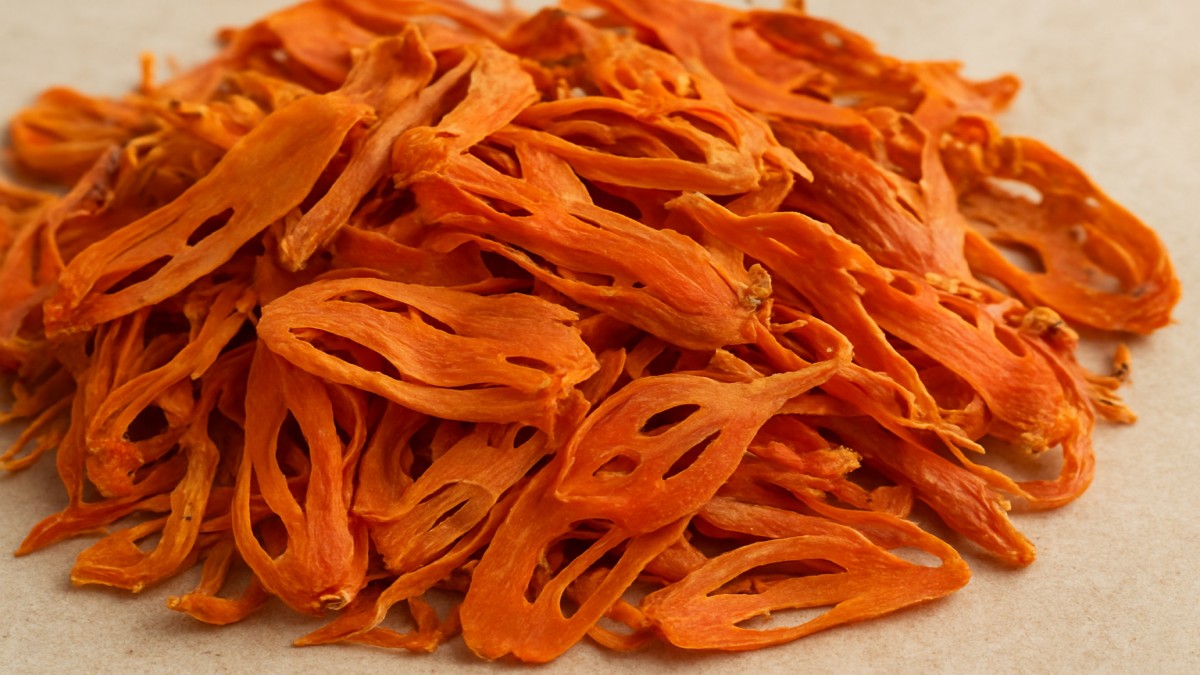
Mace and nutmeg come from the same plant Myristica fragrans. While nutmeg is the inner seed, mace is the bright red, lacy covering surrounding it, known as the aril. Once dried, mace turns golden-orange and releases a distinct aroma that’s lighter yet spicier than nutmeg. Although both share similarities, mace tends to have a more delicate and complex flavor.
The Unique Flavor Profile of Mace
Mace’s flavor can best be described as a blend of warm spice with subtle hints of citrus and pepper. It adds a touch of sophistication to dishes, offering a slightly sharper taste compared to nutmeg. Chefs often use it in recipes where they want a gentle yet noticeable spice note especially in sauces, soups, baked goods, and spice blends.
Nutritional Composition of Mace
Mace is rich in essential nutrients that make it more than just a flavoring agent.
- Vitamins: It contains vitamin A, C, and several B-complex vitamins.
- Minerals: Calcium, iron, copper, and magnesium are abundant.
- Antioxidants: Mace is loaded with polyphenols that combat oxidative stress.
It’s low in calories but high in nutrition, making it ideal for enhancing both taste and health.
Health Benefits of Mace
Improves Digestion
Mace is known to stimulate digestive enzymes, easing bloating, nausea, and gas. A pinch of mace powder in food can promote smoother digestion.
Boosts Circulation
The iron and copper content in mace supports red blood cell production, improving oxygen flow and overall circulation.
Supports Oral Health
Mace possesses antibacterial properties that help fight oral infections and bad breath, making it a natural mouth refresher.
Enhances Skin Health
Thanks to its antioxidants and anti-inflammatory compounds, mace promotes clear, radiant skin by fighting free radicals.
Aids in Pain Relief
When applied topically as mace oil, it can relieve muscle and joint pain due to its warming and anti-inflammatory effects.
Culinary Uses of Mace
In Baking and Desserts
Mace adds warmth to cakes, cookies, puddings, and custards. Its sweet aroma complements vanilla and cinnamon perfectly.
In Savory Dishes
You’ll find mace in soups, stews, and meat marinades. It’s often used in European and Middle Eastern cooking to elevate flavor.
In Beverages and Spice Blends
From chai and mulled wine to garam masala and curry powders, mace is a key component in numerous spice mixes.
Regional Cuisines Using Mace
- Indian Cuisine: Used in biryanis, curries, and masalas.
- European Cuisine: Found in sausages, soups, and sauces.
- Middle Eastern Cuisine: Common in kebabs and spice rubs.
Mace in Traditional Medicine
In Ayurveda, mace is considered warming and beneficial for balancing digestion and mood. It’s believed to relieve insomnia and anxiety.
In Chinese medicine, mace is used to improve circulation, treat stomach disorders, and enhance vitality.
How to Use Mace in Cooking
You can use mace either whole or ground.
- Whole mace blades are best for soups and stews; remove them before serving.
- Ground mace blends well in batters and sauces.
Always store mace in an airtight jar away from sunlight to preserve its aroma. A pinch or two per dish is enough to make a noticeable difference.
Mace Essential Oil
Extracted through steam distillation of dried mace, this essential oil is prized for its soothing and therapeutic benefits. It’s used in aromatherapy, perfumes, and pain-relieving balms. Its rich, spicy scent also makes it a favorite in home diffusers.
Possible Side Effects and Precautions
While mace is generally safe, excessive consumption can cause drowsiness or hallucinations due to compounds like myristicin. Pregnant women should consume it in moderation. Always stick to culinary doses and avoid medicinal use without guidance.
Buying and Storing Mace
When purchasing mace, look for bright orange-red color and a strong aroma signs of freshness. Store it in a cool, dry place in an airtight container. Whole mace can last up to a year, while ground mace loses its potency faster.
Sustainable Cultivation and Production
Mace primarily comes from Indonesia, India, Sri Lanka, and Grenada. Ethical sourcing ensures that farmers are paid fairly and the environment is protected. Opting for certified organic mace supports both sustainability and quality.
Conclusion
Mace spice is more than a kitchen essential it’s a golden thread connecting culture, flavor, and wellness. From enriching food to offering medicinal benefits, mace holds a special place in both culinary and holistic traditions. Whether you sprinkle it in desserts, infuse it in curries, or use it as a natural remedy, mace brings warmth and depth to every experience.
FAQs
1. What is the best way to use mace in desserts?
Add a small pinch of ground mace to cakes, pies, or puddings for a warm, aromatic flavor.
2. Can mace replace nutmeg?
Yes, mace can substitute nutmeg, offering a milder and slightly spicier taste.
3. Is mace safe during pregnancy?
In small culinary amounts, yes — but large doses should be avoided without medical advice.
4. What does mace taste like?
Mace has a warm, spicy-sweet flavor with hints of clove and pepper.
5. How to differentiate between pure and adulterated mace?
Pure mace has a uniform orange-red color and a strong aroma. Faded or brittle pieces often indicate poor quality or adulteration.

Consultative Selling Techniques: A Complete Guide to Building Customer Trust in 2026

Sales Objection Handling: A Complete Guide to Closing More Deals in 2026

Customer Closing Techniques: A Complete Guide to Converting Prospects into Buyers (2026)

Customer Conversion Process: A Complete Guide to Turning Visitors into Loyal Customers (2026)

Sales Funnel Examples: A Complete Guide to Converting More Customers (2026)

Lead Qualification Framework: A Complete Guide to Finding High-Quality Customers (2026)

Website Credibility Factors: A Complete Guide to Building Trust Online (2026)

Online Reputation Monitoring: A Complete Guide to Protecting Your Brand in 2026

Customer Testimonial Strategy: A Complete Guide to Building Trust and Increasing Sales (2026)

Business Storytelling Framework: A Complete Guide to Building Strong Brand Connections (2026)
Consultative Selling Techniques: A Complete Guide to Building Customer Trust in 2026
Sales Objection Handling: A Complete Guide to Closing More Deals in 2026
Customer Closing Techniques: A Complete Guide to Converting Prospects into Buyers (2026)
Customer Conversion Process: A Complete Guide to Turning Visitors into Loyal Customers (2026)
Sales Funnel Examples: A Complete Guide to Converting More Customers (2026)
Lead Qualification Framework: A Complete Guide to Finding High-Quality Customers (2026)
Website Credibility Factors: A Complete Guide to Building Trust Online (2026)
Online Reputation Monitoring: A Complete Guide to Protecting Your Brand in 2026
Customer Testimonial Strategy: A Complete Guide to Building Trust and Increasing Sales (2026)
Business Storytelling Framework: A Complete Guide to Building Strong Brand Connections (2026)

 entertainment1 year ago
PYT Telegram: A Complete Guide to Understanding, Using, and Maximizing It

 entertainment1 year ago
OnionFlix: Everything You Need to Know About This Streaming Website
- education1 year ago
How to Become a Software Engineer: A Complete Guide
- others12 months ago
Nook vs Kindle: Which E-Reader Is Right for You?