food
Taro Flavor: A Unique Taste of Tradition and Innovation

Introduction
Have you ever wondered why taro-flavored drinks, desserts, and snacks are gaining global popularity? The answer lies in the enchanting taro flavor a sweet, nutty, and earthy taste that has captivated the culinary world. From traditional Asian desserts to modern bubble teas, this purple-hued root has become a symbol of both heritage and innovation.
In this article, we’ll dive deep into the origins, uses, and science behind taro flavor, exploring why it has become one of the trendiest ingredients worldwide.
What Is Taro?
The Root of the Flavor
Taro (Colocasia esculenta) is a tropical root vegetable native to Southeast Asia and India. It’s one of the oldest cultivated crops in the world, often considered a staple in Pacific Islands, Africa, and parts of Asia. Its mildly sweet and starchy flavor makes it ideal for both savory and sweet dishes.
The Purple Beauty
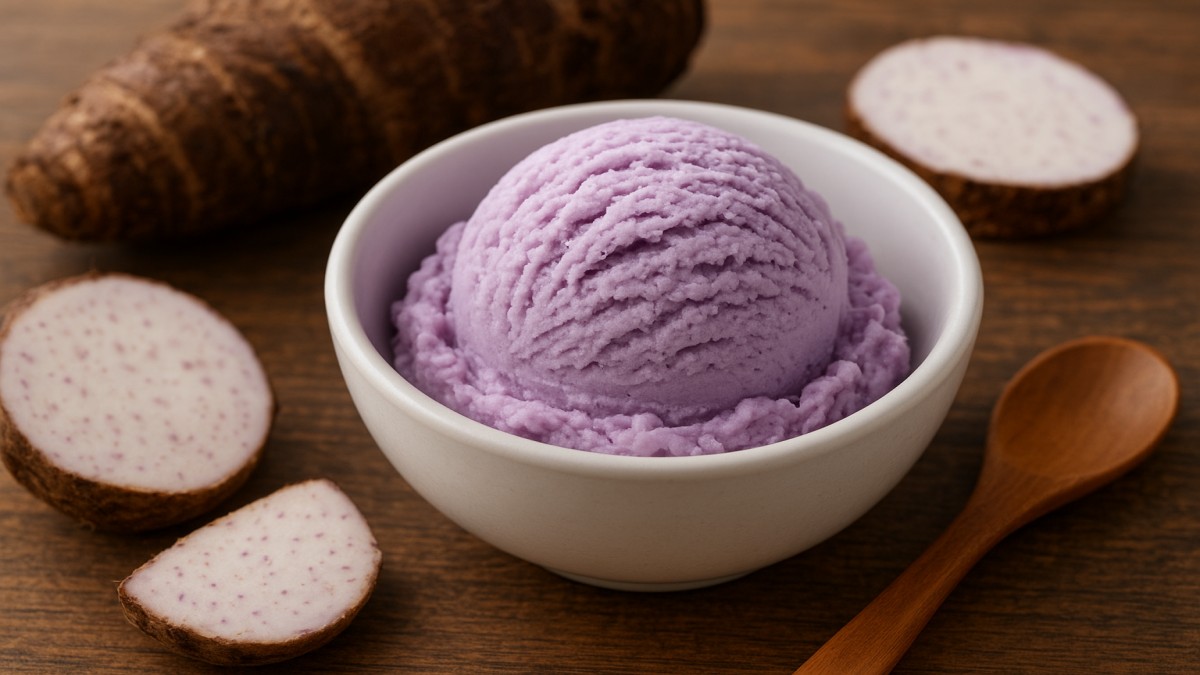
Although taro itself is often white or pale brown on the outside, some varieties reveal a striking purple interior. This naturally beautiful color, combined with its unique taste, makes taro a star ingredient in modern culinary creations.
What Does Taro Flavor Taste Like?
Taro flavor is mildly sweet, nutty, and earthy, with a creamy undertone that’s reminiscent of vanilla and chestnuts. When cooked, its starches break down into sugars, giving it a naturally smooth and dessert-like taste.
Think of it as a mix between sweet potato and vanilla ice cream—but with a distinct, mellow depth that sets it apart from any other flavor.
Natural vs. Artificial Taro Flavor
Natural Flavor Extraction
Natural taro flavor is made by processing taro roots to extract their essence, preserving the authentic earthy-sweet taste. It’s commonly used in high-quality desserts, beverages, and bakery products.
Artificial Flavoring
Artificial taro flavor mimics the original taste using chemical compounds. While cheaper and more stable in industrial production, it may lack the complex, nutty undertones of the real root.
Taro in Traditional Cuisine
Asian Roots
- Japan: Used in wagashi (traditional sweets) and ice creams.
- China: Incorporated into mooncakes, taro balls, and pastries.
- Philippines: Known as “ube” (though technically a different species), often used in halo-halo desserts.
- Hawaii: Used to make poi, a sticky paste made from mashed taro root.
Across Asia and the Pacific, taro isn’t just food—it’s culture, history, and identity.
Taro in Modern Food Trends
Bubble Tea Craze
Taro bubble tea, or taro milk tea, is a fan favorite worldwide. Its pastel purple color and smooth, creamy texture make it both Instagram-worthy and delicious.
The flavor combines the sweetness of taro with the richness of milk, offering a comforting drink that stands out from fruity or coffee-based beverages.
Ice Creams and Desserts
Taro-flavored ice creams, cakes, and pastries are gaining global traction. The subtle sweetness of taro complements creamy bases and balances sugary frostings, making it a go-to flavor for gourmet and artisanal brands.
Snacks and Chips
From taro chips to flavored biscuits, snack manufacturers have embraced taro’s popularity. It’s now a staple in the international snack market, appealing to those seeking exotic yet familiar tastes.
Health Benefits of Taro
Taro isn’t just delicious—it’s also nutrient-rich and packed with health benefits.
- High in Fiber: Supports digestion and gut health.
- Low Glycemic Index: Helps control blood sugar levels.
- Rich in Vitamins: Contains vitamin E, C, and B6.
- Mineral Powerhouse: Provides potassium, magnesium, and iron.
- Antioxidants: Especially in purple taro varieties, which contain anthocyanins.
It’s a wholesome alternative to processed starches and sugars, making taro a smart ingredient in modern healthy diets.
Conclusion
The taro flavor is a perfect blend of tradition, taste, and trend. From ancient Asian kitchens to modern cafés, it’s a flavor that bridges cultures and generations. Whether you sip it in a bubble tea or savor it in ice cream, taro delivers a sense of comfort, nostalgia, and creativity in every bite.
FAQs
1. What gives taro its purple color?
Taro’s purple hue comes from natural pigments called anthocyanins, which are also powerful antioxidants.
2. Is taro the same as ube?
No, taro (Colocasia esculenta) and ube (Dioscorea alata) are different roots, though they have similar colors and flavors.
3. Can I eat taro raw?
No, raw taro contains calcium oxalate crystals, which can cause irritation. It must be cooked before consumption.
4. Is taro flavor natural or artificial?
It can be either. Natural taro flavor comes from real roots, while artificial versions are synthesized for consistency.
5. Why is taro popular in desserts?
Its naturally sweet and creamy taste pairs perfectly with milk, sugar, and starch-based foods, making it ideal for desserts and beverages.

Consultative Selling Techniques: A Complete Guide to Building Customer Trust in 2026

Sales Objection Handling: A Complete Guide to Closing More Deals in 2026

Customer Closing Techniques: A Complete Guide to Converting Prospects into Buyers (2026)

Customer Conversion Process: A Complete Guide to Turning Visitors into Loyal Customers (2026)

Sales Funnel Examples: A Complete Guide to Converting More Customers (2026)

Lead Qualification Framework: A Complete Guide to Finding High-Quality Customers (2026)

Website Credibility Factors: A Complete Guide to Building Trust Online (2026)

Online Reputation Monitoring: A Complete Guide to Protecting Your Brand in 2026

Customer Testimonial Strategy: A Complete Guide to Building Trust and Increasing Sales (2026)

Business Storytelling Framework: A Complete Guide to Building Strong Brand Connections (2026)
Consultative Selling Techniques: A Complete Guide to Building Customer Trust in 2026
Sales Objection Handling: A Complete Guide to Closing More Deals in 2026
Customer Closing Techniques: A Complete Guide to Converting Prospects into Buyers (2026)
Customer Conversion Process: A Complete Guide to Turning Visitors into Loyal Customers (2026)
Sales Funnel Examples: A Complete Guide to Converting More Customers (2026)
Lead Qualification Framework: A Complete Guide to Finding High-Quality Customers (2026)
Website Credibility Factors: A Complete Guide to Building Trust Online (2026)
Online Reputation Monitoring: A Complete Guide to Protecting Your Brand in 2026
Customer Testimonial Strategy: A Complete Guide to Building Trust and Increasing Sales (2026)
Business Storytelling Framework: A Complete Guide to Building Strong Brand Connections (2026)

 entertainment1 year ago
PYT Telegram: A Complete Guide to Understanding, Using, and Maximizing It

 entertainment1 year ago
OnionFlix: Everything You Need to Know About This Streaming Website
- education1 year ago
How to Become a Software Engineer: A Complete Guide
- others12 months ago
Nook vs Kindle: Which E-Reader Is Right for You?