Uncategorized
General Practitioner: The Backbone of Modern Healthcare

Introduction to General Practitioners
When you feel unwell or just need a routine checkup, the first doctor you usually think of is a general practitioner, or GP. They are often the front door to the healthcare system, guiding patients through everything from minor illnesses to long-term care.
Who Is a General Practitioner?
Definition and Core Role
A general practitioner is a medical doctor who provides primary healthcare. They diagnose, treat, and manage a wide range of health issues across all ages. Think of a GP as a healthcare all-rounder—someone who sees the big picture rather than focusing on just one organ or disease.
Difference Between a GP and a Specialist
While specialists zoom in on specific conditions like heart disease or skin disorders, GPs take a holistic approach. If needed, they refer patients to specialists, acting like a guide through the medical maze.
Education and Training of a General Practitioner
Medical School and Licensing
Becoming a GP starts with medical school, followed by internships and residency training in general practice. After passing licensing exams, they are qualified to practice medicine.
Continuous Professional Development
Medicine evolves fast. GPs regularly update their skills through courses, workshops, and certifications to stay current with new treatments and guidelines.
Daily Responsibilities of a General Practitioner
A GP’s day is rarely predictable. One moment they’re treating a sore throat, the next managing diabetes or offering mental health support. Their tasks include examinations, prescribing medications, ordering tests, and giving lifestyle advice.
Common Conditions Treated by GPs
Acute Illnesses
Colds, flu, infections, minor injuries—GPs handle these quickly and efficiently.
Chronic Disease Management
Conditions like asthma, high blood pressure, and diabetes require long-term care, and GPs help patients manage them step by step.
Preventive Care and Health Promotion
Prevention is better than cure, right? GPs provide vaccinations, health screenings, and wellness advice to keep problems from starting in the first place.
The Importance of GPs in Primary Healthcare
Without GPs, healthcare systems would collapse under pressure. They reduce hospital visits, detect problems early, and ensure continuity of care.
GP–Patient Relationship
One of the biggest strengths of a GP is the long-term relationship they build with patients. Over time, they understand your history, habits, and concerns—like a medical partner you can trust.
General Practitioner vs Family Physician
These terms are often used interchangeably. In many regions, family physicians are a type of GP with additional focus on family-centered care across generations.
Technology and the Modern GP
Telemedicine, electronic health records, and digital diagnostics have transformed GP practices. Today’s GP blends traditional care with modern technology.
Challenges Faced by General Practitioners
Heavy workloads, time constraints, and increasing patient demand are common challenges. Despite this, GPs remain committed to patient care.
When Should You Visit a General Practitioner?
Anytime you’re unsure about your health. From persistent symptoms to routine checkups, a GP should be your first stop.
How to Choose the Right GP
Look for experience, communication skills, accessibility, and a comfortable environment. A good GP makes you feel heard.
Conclusion
A general practitioner is more than just a doctor—they’re a trusted advisor, problem-solver, and health partner. From prevention to treatment, GPs play a vital role in keeping communities healthy and healthcare systems running smoothly.
Frequently Asked Questions (FAQs)
1. Can a general practitioner treat serious illnesses?
Yes, GPs manage many serious conditions and refer patients to specialists when needed.
2. Do I need a referral to see a GP?
Usually no. GPs are often the first point of contact.
3. How often should I visit a GP?
At least once a year for a checkup, or anytime you feel unwell.
4. Can a GP prescribe medication?
Yes, GPs are fully licensed to prescribe treatments.
5. Is a GP suitable for mental health concerns?
Absolutely. GPs often provide initial mental health support and referrals.

Consultative Selling Techniques: A Complete Guide to Building Customer Trust in 2026

Sales Objection Handling: A Complete Guide to Closing More Deals in 2026

Customer Closing Techniques: A Complete Guide to Converting Prospects into Buyers (2026)

Customer Conversion Process: A Complete Guide to Turning Visitors into Loyal Customers (2026)

Sales Funnel Examples: A Complete Guide to Converting More Customers (2026)

Lead Qualification Framework: A Complete Guide to Finding High-Quality Customers (2026)

Website Credibility Factors: A Complete Guide to Building Trust Online (2026)

Online Reputation Monitoring: A Complete Guide to Protecting Your Brand in 2026

Customer Testimonial Strategy: A Complete Guide to Building Trust and Increasing Sales (2026)

Business Storytelling Framework: A Complete Guide to Building Strong Brand Connections (2026)
Consultative Selling Techniques: A Complete Guide to Building Customer Trust in 2026
Sales Objection Handling: A Complete Guide to Closing More Deals in 2026
Customer Closing Techniques: A Complete Guide to Converting Prospects into Buyers (2026)
Customer Conversion Process: A Complete Guide to Turning Visitors into Loyal Customers (2026)
Sales Funnel Examples: A Complete Guide to Converting More Customers (2026)
Lead Qualification Framework: A Complete Guide to Finding High-Quality Customers (2026)
Website Credibility Factors: A Complete Guide to Building Trust Online (2026)
Online Reputation Monitoring: A Complete Guide to Protecting Your Brand in 2026
Customer Testimonial Strategy: A Complete Guide to Building Trust and Increasing Sales (2026)
Business Storytelling Framework: A Complete Guide to Building Strong Brand Connections (2026)

 entertainment1 year ago
PYT Telegram: A Complete Guide to Understanding, Using, and Maximizing It

 entertainment1 year ago
OnionFlix: Everything You Need to Know About This Streaming Website
- education1 year ago
How to Become a Software Engineer: A Complete Guide
- others12 months ago
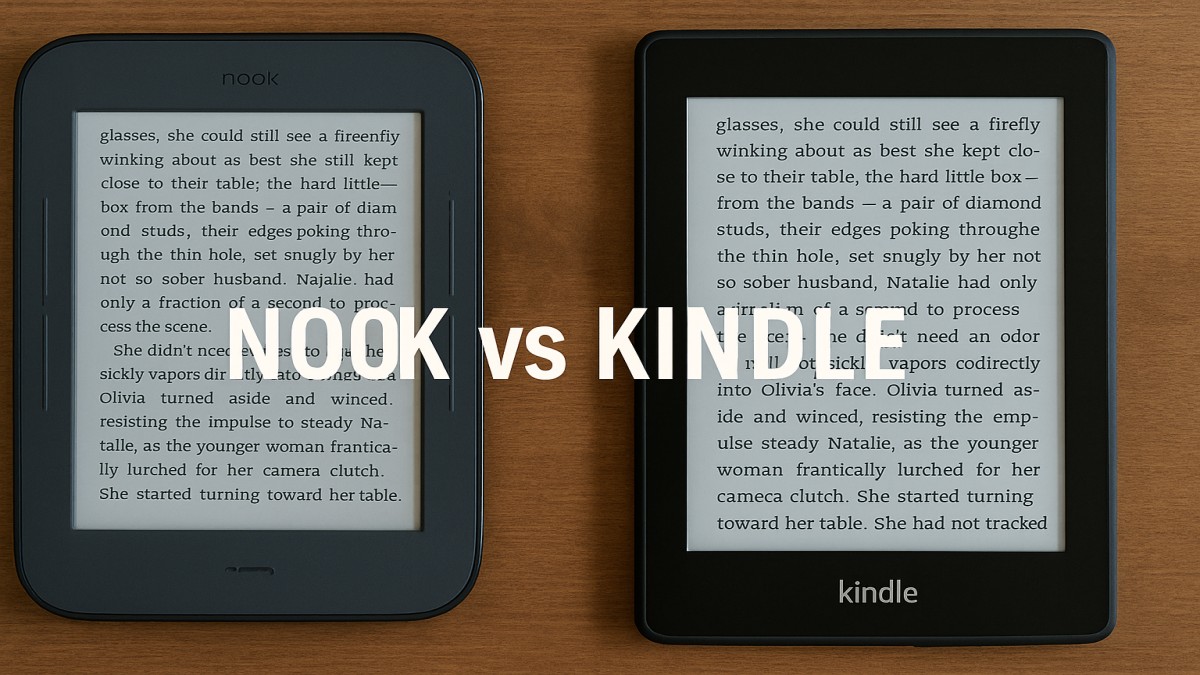
Nook vs Kindle: Which E-Reader Is Right for You?