others
Cloisonné – The Art of Enamel with Timeless Beauty

Introduction to Cloisonné
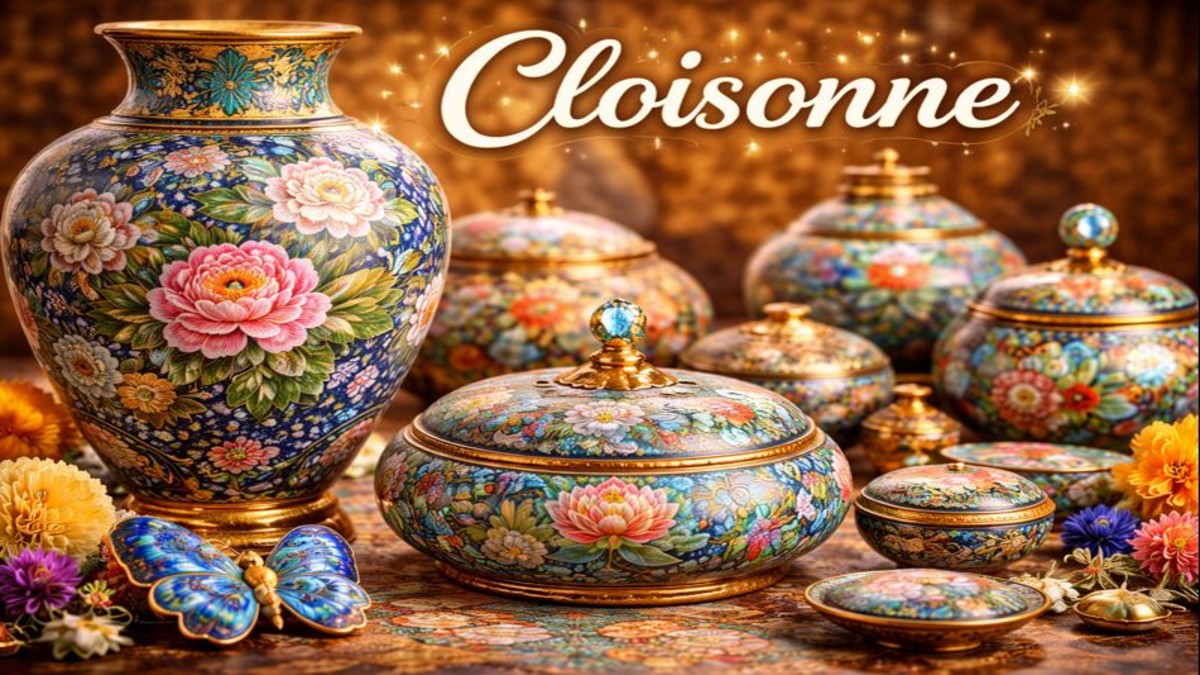
Cloisonné is one of those art forms that instantly feels luxurious. The shimmering colors, the delicate metal lines, and the sense of history packed into each piece make it impossible to ignore. Whether it’s a small pendant or a grand vase, cloisonné has a way of telling stories without saying a word.
What Does Cloisonné Mean?
The word cloisonné comes from the Frenchné* comes from the French term cloison, meaning “partition.” That’s exactly how this art works. Thin metal wires are shaped into patterns and attached to a metal surface, creating tiny compartments. These compartments are then filled with colorful enamel and fired in a kiln.
Why Cloisonné Still Captivates Us Today
In a world of mass production, cloisonné feels personal. Every piece requires patience, precision, and a steady hand. It’s slow art in a fast world—and that’s part of its magic.
The Origins of Cloisonné
Early Beginnings in the Ancient World
Cloisonné techniques can be traced back thousands of years, with early examples found in ancient Egypt and the Byzantine Empire. These early works laid the foundation for what would become a global decorative art.
Cloisonné in China
China embraced cloisonné and transformed it into something extraordinary. By the 14th century, Chinese artisans had mastered the technique, producing bold designs with rich blues, reds, and golds.
Ming and Qing Dynasty Influence
During the Ming and Qing dynasties, cloisonné reached its peak. Imperial workshops produced stunning pieces for the royal court, making cloisonné a symbol of power and refinement.
How Cloisonné Is Made
The Base Metal
Most cloisonné starts with copper or bronze. These metals conduct heat well and bond beautifully with enamel.
Creating the Cloisons (Wire Cells)
Thin metal wires are bent into intricate patterns and glued or soldered onto the metal surface. This step defines the entire design—like sketching before painting.
Applying Enamel Colors
Powdered glass enamel is mixed with water and carefully placed into each compartment. Think of it like filling tiny swimming pools with liquid color.
Firing and Polishing Process
The piece is fired in a kiln multiple times. After firing, the surface is polished until it becomes smooth and glossy, revealing vibrant, jewel-like colors.
Materials Used in Cloisonné
Metals
Copper is the most common base, but silver and gold are also used in high-end pieces.
Enamel Powders
These powders are made from finely ground glass mixed with mineral pigments, giving cloisonné its signature brilliance.
Decorative Elements
Gold plating, engraved details, and symbolic motifs often enhance the final piece.
Types of Cloisonné Art
Cloisonné Jewelry
From earrings to brooches, cloisonné jewelry offers wearable art with bold colors and timeless appeal.
Cloisonné Vases and Decorative Objects
These are perhaps the most iconic cloisonné items, often displayed as centerpieces or collector’s items.
Religious and Ceremonial Items
In many cultures, cloisonné has been used for sacred objects, adding spiritual meaning to its beauty.
Cultural Significance of Cloisonné
Symbolism in Colors and Motifs
Colors aren’t random. Blue often represents immortality, red symbolizes joy, and dragons or flowers carry deep cultural meanings.
Cloisonné as a Status Symbol
Historically, owning cloisonné meant wealth and taste. Even today, fine cloisonné is associated with elegance.
Cloisonné vs Other Enamel Techniques
Cloisonné vs Champlevé
Champlevé involves carving out cells instead of adding wires. Cloisonné is more delicate and intricate.
Cloisonné vs Plique-à-jour
Plique-à-jour creates a stained-glass effect without a metal backing, while cloisonné has a solid base.
Cloisonné in the Modern World
Contemporary Artists and Designers
Modern artists are blending traditional cloisonné with minimalist designs, proving it’s far from outdated.
Collecting Antique Cloisonné
Collectors value age, craftsmanship, and condition. Authentic antique pieces can be true investments.
Caring for Cloisonné Art
Cleaning and Maintenance
Use a soft cloth and mild soap. Avoid harsh chemicals that can damage the enamel.
Storage Tips
Store cloisonné separately to prevent scratches and keep it away from extreme temperatures.
Conclusion
Cloisonné stands as a beautiful reminder that art doesn’t need speed to shine. Built wire by wire and color by color, it captures centuries of tradition in a single object. Whether you admire it for its history, craftsmanship, or sheer beauty, cloisonné continues to enchant generations.
FAQs
1. Is cloisonné still handmade today?
Yes, many artisans still create cloisonné by hand using traditional techniques.
2. Why is cloisonné expensive?
The process is labor-intensive and requires skilled craftsmanship and multiple firings.
3. How can I tell if cloisonné is authentic?
Look for smooth enamel, fine wirework, and quality metal backing.
4. Can cloisonné break easily?
While durable, enamel can crack if dropped or exposed to sudden temperature changes.
5. Is cloisonné only Chinese?
No, cloisonné has roots in many cultures, including Byzantine, European, and Japanese traditions.

Consultative Selling Techniques: A Complete Guide to Building Customer Trust in 2026

Sales Objection Handling: A Complete Guide to Closing More Deals in 2026

Customer Closing Techniques: A Complete Guide to Converting Prospects into Buyers (2026)

Customer Conversion Process: A Complete Guide to Turning Visitors into Loyal Customers (2026)

Sales Funnel Examples: A Complete Guide to Converting More Customers (2026)

Lead Qualification Framework: A Complete Guide to Finding High-Quality Customers (2026)

Website Credibility Factors: A Complete Guide to Building Trust Online (2026)

Online Reputation Monitoring: A Complete Guide to Protecting Your Brand in 2026

Customer Testimonial Strategy: A Complete Guide to Building Trust and Increasing Sales (2026)

Business Storytelling Framework: A Complete Guide to Building Strong Brand Connections (2026)
Consultative Selling Techniques: A Complete Guide to Building Customer Trust in 2026
Sales Objection Handling: A Complete Guide to Closing More Deals in 2026
Customer Closing Techniques: A Complete Guide to Converting Prospects into Buyers (2026)
Customer Conversion Process: A Complete Guide to Turning Visitors into Loyal Customers (2026)
Sales Funnel Examples: A Complete Guide to Converting More Customers (2026)
Lead Qualification Framework: A Complete Guide to Finding High-Quality Customers (2026)
Website Credibility Factors: A Complete Guide to Building Trust Online (2026)
Online Reputation Monitoring: A Complete Guide to Protecting Your Brand in 2026
Customer Testimonial Strategy: A Complete Guide to Building Trust and Increasing Sales (2026)
Business Storytelling Framework: A Complete Guide to Building Strong Brand Connections (2026)

 entertainment1 year ago
PYT Telegram: A Complete Guide to Understanding, Using, and Maximizing It

 entertainment1 year ago
OnionFlix: Everything You Need to Know About This Streaming Website
- education1 year ago
How to Become a Software Engineer: A Complete Guide
- others12 months ago
Nook vs Kindle: Which E-Reader Is Right for You?