others
Cheata (Cheatgrass): An Invasive Grass and Its Environmental Impact

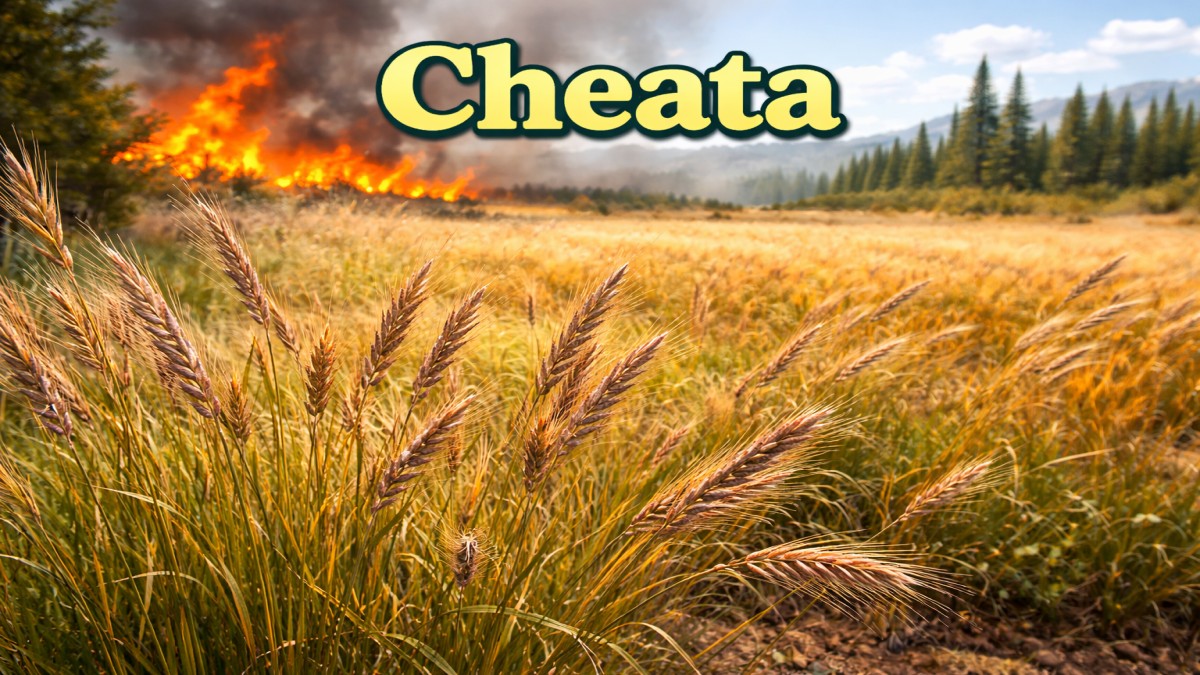
Cheata, more commonly known as cheatgrass (Bromus tectorum), is an invasive annual grass that has significantly altered ecosystems in many parts of the world, especially in North America. Though it may look harmless at first glance, cheata has serious ecological, agricultural, and economic consequences. Understanding what cheata is, how it spreads, and why it is problematic is essential for land managers, farmers, and environmentalists alike.
What Is Cheata?
Cheata is a fast-growing annual grass species originally native to Europe and parts of Asia. It was accidentally introduced to other regions through contaminated grain shipments and livestock feed. Once established, it spreads rapidly and outcompetes native plants.
Cheata completes its life cycle quickly, producing seeds early in the growing season. This ability allows it to dominate landscapes before native species have a chance to grow.
Physical Characteristics of Cheata
Cheata has several distinct features:
- Thin, soft stems
- Narrow leaves with fine hairs
- Drooping seed heads
- Sharp, barbed seeds
When dry, the plant turns a reddish-brown color, making large areas look scorched even without fire.
Where Cheata Is Commonly Found
Cheata thrives in dry and semi-arid regions. It is especially widespread in:
- Western United States
- Grasslands and rangelands
- Roadsides and disturbed soils
- Abandoned farmlands
It prefers open, sunny areas and poor soils where native plants struggle to survive.
Why Cheata Is Considered Invasive
Cheata is classified as an invasive species because it spreads aggressively and disrupts natural ecosystems. It pushes out native grasses and wildflowers, reducing biodiversity and weakening the ecological balance.
Once cheata takes hold, it creates a monoculture—an area dominated by a single species—which is unhealthy for wildlife and soil quality.
Cheata and Wildfires
One of the most dangerous impacts of cheata is its role in increasing wildfires.
- It dries out early in the season
- It ignites easily
- It burns quickly and intensely
Cheata acts like fuel, creating continuous fire paths across landscapes. After fires, cheata often grows back faster than native plants, creating a destructive cycle known as the grass-fire cycle.
Impact on Agriculture
Cheata is problematic for farmers and ranchers because:
- It reduces grazing quality
- Its sharp seeds injure livestock
- It competes with crops for water and nutrients
Livestock often avoid eating mature cheata, which lowers the productivity of grazing lands.
Effects on Wildlife
Native wildlife depends on diverse plant life for food and shelter. When cheata replaces native vegetation:
- Food sources decline
- Nesting habitats are lost
- Animal populations decrease
Ground-nesting birds are particularly affected due to increased fire frequency and habitat loss.
How Cheata Spreads
Cheata spreads easily through:
- Wind
- Animals
- Vehicles and machinery
- Contaminated seeds
Its lightweight seeds travel far and can remain viable in soil for years.
Methods of Controlling Cheata
Managing cheata is challenging but possible through combined strategies:
Mechanical Control
- Mowing before seed production
- Controlled grazing
Chemical Control
- Selective herbicides applied early
Biological and Ecological Control
- Reseeding native plants
- Restoring soil health
Successful control often requires long-term commitment and careful planning.
Cheata and Climate Change
Climate change may worsen the cheata problem. Warmer temperatures and prolonged droughts favor its growth over native species. As natural ecosystems become stressed, cheata finds more opportunities to invade.
Why Managing Cheata Matters
Controlling cheata is not just about removing a weed—it’s about protecting ecosystems, reducing wildfire risks, supporting agriculture, and preserving biodiversity. Ignoring it biodiversity. Ignoring it allows long-term damage that becomes harder and more expensive to reverse.
Conclusion
Cheata may seem like just another grass, but its impact is far-reaching. From fueling wildfires to displacing native species and harming agriculture, cheata poses a serious environmental challenge. Effective management requires awareness, cooperation, and sustainable land practices. By understanding cheata and taking action early, communities can protect landscapes and restore ecological balance.
Frequently Asked Questions (FAQs)
1. What is cheata also called?
Cheata is commonly known as cheatgrass.
2. Why is cheata dangerous?
It increases wildfire risk and displaces native vegetation.
3. Can animals eat cheata?
Young cheata may be grazed, but mature plants can injure livestock.
4. Is cheata native to North America?
No, it was introduced from Europe and Asia.
5. Can cheata be completely removed?
Complete removal is difficult, but effective management can greatly reduce its spread.

Consultative Selling Techniques: A Complete Guide to Building Customer Trust in 2026

Sales Objection Handling: A Complete Guide to Closing More Deals in 2026

Customer Closing Techniques: A Complete Guide to Converting Prospects into Buyers (2026)

Customer Conversion Process: A Complete Guide to Turning Visitors into Loyal Customers (2026)

Sales Funnel Examples: A Complete Guide to Converting More Customers (2026)

Lead Qualification Framework: A Complete Guide to Finding High-Quality Customers (2026)

Website Credibility Factors: A Complete Guide to Building Trust Online (2026)

Online Reputation Monitoring: A Complete Guide to Protecting Your Brand in 2026

Customer Testimonial Strategy: A Complete Guide to Building Trust and Increasing Sales (2026)

Business Storytelling Framework: A Complete Guide to Building Strong Brand Connections (2026)
Consultative Selling Techniques: A Complete Guide to Building Customer Trust in 2026
Sales Objection Handling: A Complete Guide to Closing More Deals in 2026
Customer Closing Techniques: A Complete Guide to Converting Prospects into Buyers (2026)
Customer Conversion Process: A Complete Guide to Turning Visitors into Loyal Customers (2026)
Sales Funnel Examples: A Complete Guide to Converting More Customers (2026)
Lead Qualification Framework: A Complete Guide to Finding High-Quality Customers (2026)
Website Credibility Factors: A Complete Guide to Building Trust Online (2026)
Online Reputation Monitoring: A Complete Guide to Protecting Your Brand in 2026
Customer Testimonial Strategy: A Complete Guide to Building Trust and Increasing Sales (2026)
Business Storytelling Framework: A Complete Guide to Building Strong Brand Connections (2026)

 entertainment1 year ago
PYT Telegram: A Complete Guide to Understanding, Using, and Maximizing It

 entertainment1 year ago
OnionFlix: Everything You Need to Know About This Streaming Website
- education1 year ago
How to Become a Software Engineer: A Complete Guide
- others12 months ago
Nook vs Kindle: Which E-Reader Is Right for You?