food
Mango String Fruit: Understanding the Fibrous Side of Mangoes

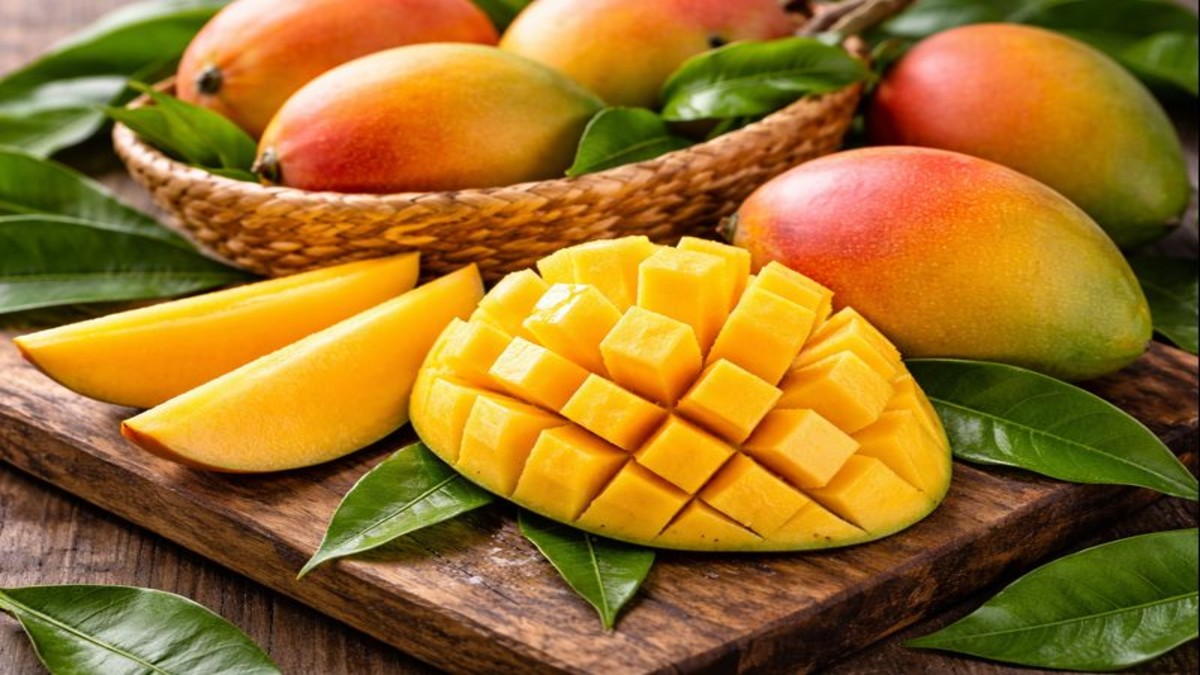
Mango String Fruit. Mango is often called the “king of fruits,” loved for its sweet flavor, rich aroma, and juicy flesh. However, not all mangoes offer the same eating experience. One common issue many mango lovers encounter is mango string fruit—mangoes that contain tough, fibrous strings running through the flesh. These strings can affect texture, taste, and overall enjoyment. Let’s explore what mango string fruit is, why it happens, and how it impacts consumers and growers.
What Is Mango String Fruit?
Mango string fruit refers to mangoes that have excessive fiber or stringy texture in their flesh. These fibers appear as thin, thread-like strands that remain even when the fruit is fully ripe. Instead of melting smoothly in the mouth, the pulp feels chewy or rough.
Some mango varieties naturally contain more fiber, while others are prized for their smooth, buttery texture. Stringiness is not a disease but a natural characteristic influenced by variety, growing conditions, and maturity.
Why Do Mangoes Become Stringy?
Several factors contribute to the development of stringy mango fruit:
1. Mango Variety
Certain mango cultivars are genetically more fibrous. Traditional or wild mango varieties often have more strings, while improved commercial varieties are usually bred to be fiberless or low-fiber.
2. Climate and Growing Conditions
Hot, dry climates and poor soil nutrition can increase fiber formation. Stress during fruit development often results in tougher flesh.
3. Fruit Maturity
Unripe mangoes tend to be more fibrous. If harvested too early, the fruit may never fully soften, even after ripening.
4. Tree Age
Older mango trees sometimes produce fruit with higher fiber content compared to younger, well-managed trees.
Common Mango Varieties Known for Stringiness
Some mango types are well known for their fibrous nature:
- Local or seed-grown mangoes
- Wild mango species
- Traditional mango varieties grown for processing
On the other hand, popular smooth varieties like Alphonso, Kent, Ataulfo, and Tommy Atkins are bred to minimize stringiness.
Is Mango String Fruit Safe to Eat?
Yes, mango string fruit is completely safe to eat. The fibers are natural plant tissues and do not indicate spoilage. However, they may reduce enjoyment for people who prefer smooth pulp.
Stringy mangoes are often still rich in:
- Vitamin C
- Vitamin A
- Dietary fiber
- Antioxidants
In fact, the extra fiber can be beneficial for digestion.
Culinary Uses of Stringy Mangoes
Even if stringy mangoes are less appealing for fresh eating, they are still very useful in the kitchen.
1. Mango Juice and Smoothies
Blending breaks down fibers, making stringy mangoes ideal for drinks.
2. Mango Chutney and Pickles
Cooking softens the fibers, improving texture.
3. Mango Pulp for Desserts
When strained, stringy mango pulp works well for ice creams, jams, and sauces.
4. Dried Mango Products
Processing removes most fibrous texture.
How Farmers Reduce Mango Stringiness
Modern mango farming focuses on reducing fiber content through:
- Selecting low-fiber varieties
- Proper irrigation and fertilization
- Harvesting fruit at the correct maturity stage
- Grafting improved cultivars
These practices help produce mangoes that meet market demand for smooth texture.
Consumer Preferences and Market Value
In global markets, fiberless mangoes are generally more valuable. Consumers often associate smooth texture with premium quality. As a result, stringy mangoes are more commonly used in local markets, processing industries, or traditional recipes.
However, in some regions, people enjoy the strong flavor of fibrous mangoes and consider them more “authentic.”
Nutritional Benefits of Fibrous Mangoes
While texture may be less appealing, stringy mangoes offer nutritional advantages:
- Higher dietary fiber supports digestion
- Helps regulate blood sugar levels
- Promotes gut health
- Provides longer-lasting fullness
So, fibrous mangoes are not inferior—just different.
How to Choose Less Stringy Mangoes
When buying mangoes, try these tips:
- Choose known low-fiber varieties
- Look for fully ripe fruit with a slight softness
- Avoid very large seed-grown mangoes if you prefer smooth pulp
- Ask local sellers about texture before buying
Conclusion
Mango string fruit may not be everyone’s favorite, but it is a natural and valuable part of mango diversity. While fibrous texture can reduce appeal for fresh consumption, stringy mangoes remain nutritious, versatile, and culturally significant. Whether enjoyed in juices, chutneys, or traditional dishes, mango string fruit still delivers the unmistakable tropical flavor mango lovers adore.
Frequently Asked Questions (FAQs)
1. Why are some mangoes very stringy?
Stringiness depends on mango variety, growing conditions, and maturity at harvest.
2. Are stringy mangoes bad or spoiled?
No, they are completely safe to eat and naturally fibrous.
3. Can stringy mangoes be made smoother?
Yes, blending, cooking, or straining the pulp removes most fibers.
4. Do fibrous mangoes have health benefits?
Yes, they contain more dietary fiber, which supports digestion.
5. Which mango varieties are least stringy?
Alphonso, Ataulfo, Kent, and Haden are known for smooth flesh.

Consultative Selling Techniques: A Complete Guide to Building Customer Trust in 2026

Sales Objection Handling: A Complete Guide to Closing More Deals in 2026

Customer Closing Techniques: A Complete Guide to Converting Prospects into Buyers (2026)

Customer Conversion Process: A Complete Guide to Turning Visitors into Loyal Customers (2026)

Sales Funnel Examples: A Complete Guide to Converting More Customers (2026)

Lead Qualification Framework: A Complete Guide to Finding High-Quality Customers (2026)

Website Credibility Factors: A Complete Guide to Building Trust Online (2026)

Online Reputation Monitoring: A Complete Guide to Protecting Your Brand in 2026

Customer Testimonial Strategy: A Complete Guide to Building Trust and Increasing Sales (2026)

Business Storytelling Framework: A Complete Guide to Building Strong Brand Connections (2026)
Consultative Selling Techniques: A Complete Guide to Building Customer Trust in 2026
Sales Objection Handling: A Complete Guide to Closing More Deals in 2026
Customer Closing Techniques: A Complete Guide to Converting Prospects into Buyers (2026)
Customer Conversion Process: A Complete Guide to Turning Visitors into Loyal Customers (2026)
Sales Funnel Examples: A Complete Guide to Converting More Customers (2026)
Lead Qualification Framework: A Complete Guide to Finding High-Quality Customers (2026)
Website Credibility Factors: A Complete Guide to Building Trust Online (2026)
Online Reputation Monitoring: A Complete Guide to Protecting Your Brand in 2026
Customer Testimonial Strategy: A Complete Guide to Building Trust and Increasing Sales (2026)
Business Storytelling Framework: A Complete Guide to Building Strong Brand Connections (2026)

 entertainment1 year ago
PYT Telegram: A Complete Guide to Understanding, Using, and Maximizing It

 entertainment1 year ago
OnionFlix: Everything You Need to Know About This Streaming Website
- education1 year ago
How to Become a Software Engineer: A Complete Guide
- others12 months ago
Nook vs Kindle: Which E-Reader Is Right for You?