Technology
Sigma Camera: A Complete Guide to Features, Performance, and Why Photographers Love It

Introduction to Sigma Cameras
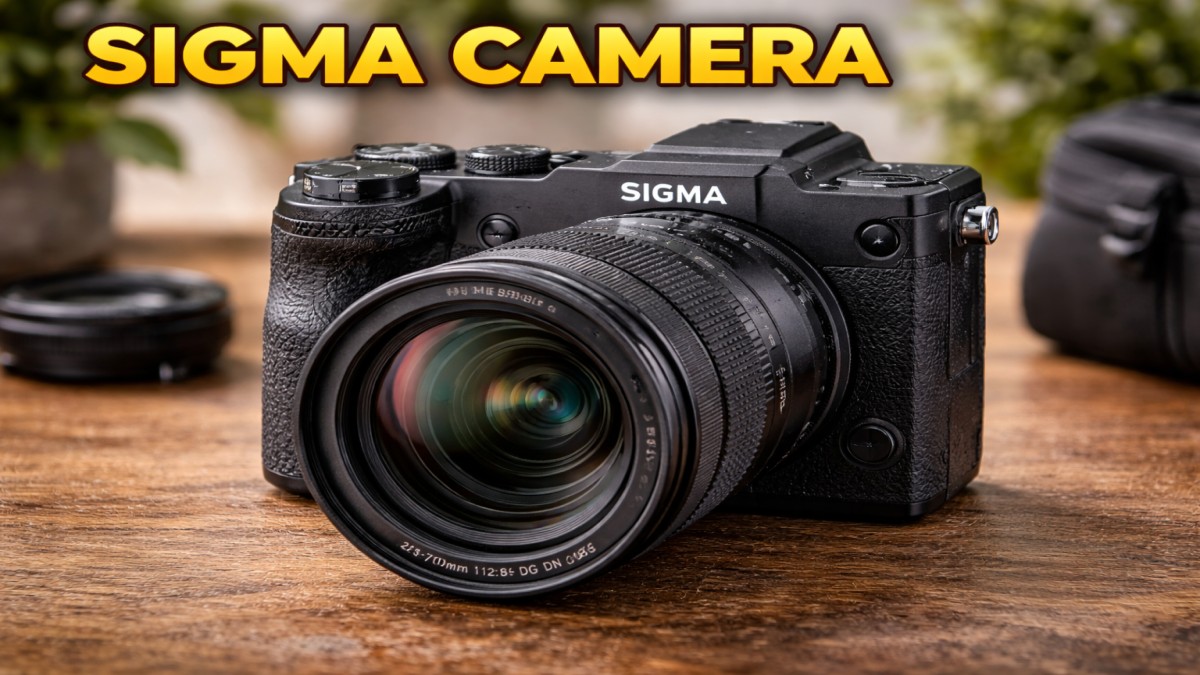
When photographers talk about innovation, Sigma cameras always spark curiosity. Sigma isn’t just another camera brand chasing trends—it’s a company that dares to think differently. From unique sensors to minimalist designs, Sigma cameras are built for creators who value image purity over flashy features. If you’ve ever wondered whether a Sigma camera is right for you, you’re in the right place.
A Brief History of Sigma
Sigma began its journey in 1961, initially focusing on lenses. Over time, it earned a reputation for producing high-quality glass at competitive prices.
From Lenses to Cameras
Sigma’s move into camera bodies wasn’t about competing with giants—it was about complementing their lenses with a system that maximized image quality. This philosophy still defines Sigma cameras today.
What Makes Sigma Cameras Unique
Sigma cameras stand out because they don’t follow the crowd.
Foveon Sensor Technology
Instead of using traditional Bayer sensors, Sigma developed the Foveon X3 sensor, which captures full color information at every pixel location.
How Foveon Differs from Bayer Sensors
Think of a Bayer sensor like a mosaic—it guesses colors. Foveon captures them directly. The result? Stunning detail, rich colors, and a film-like look that photographers adore.
Popular Sigma Camera Series
Sigma offers a small but focused lineup.
Sigma sd Quattro Series
Designed around the Foveon sensor, the sd Quattro cameras are photography-first tools, ideal for controlled lighting and detail-heavy work.
Sigma fp Series
The Sigma fp and fp L are full-frame mirrorless cameras with a radical minimalist design, perfect for both photographers and filmmakers.
Sigma fp: The World’s Smallest Full-Frame Camera
The Sigma fp redefines portability.
Design and Portability
It’s compact, lightweight, and built like a solid metal block. You can literally slip it into a jacket pocket.
Modular Camera Concept
The fp is like LEGO for creatives. Add grips, EVFs, cages, or monitors—build it your way.
Image Quality and Color Science
Sigma cameras prioritize image quality above all else. Colors are natural, details are razor-sharp, and images often need minimal editing. Landscape photographers especially love Sigma for this reason.
Video Capabilities of Sigma Cameras
While Sigma cameras aren’t overloaded with video features, what they offer is powerful.
CinemaDNG and RAW Video
The Sigma fp supports internal CinemaDNG and external RAW recording, making it a favorite among indie filmmakers.
Build Quality and Design Philosophy
Sigma cameras feel premium. The build is solid, buttons are minimal, and the design is intentional. It’s not about decoration—it’s about function.
Lens Compatibility and L-Mount Alliance
Sigma is part of the L-Mount Alliance with Leica and Panasonic.
Sigma Lenses Advantage
Sigma lenses are sharp, affordable, and widely respected. Pairing them with a Sigma body ensures perfect compatibility.
Sigma Cameras for Photography
Sigma cameras shine in specific photography genres.
Landscape Photography
Thanks to incredible detail and color depth, landscapes shot on Sigma cameras feel almost three-dimensional.
Portrait and Studio Work
Skin tones look natural, and fine textures are beautifully rendered—perfect for studio photographers.
Sigma Cameras for Videography
Filmmakers love the Sigma fp for its cinematic look, RAW output, and modular rigging options. It’s like having a mini cinema camera.
User Experience and Menu System
Sigma keeps menus simple. There’s a learning curve, but once mastered, the experience feels clean and distraction-free.
Sigma Camera vs Competitors
Sigma vs Sony
Sony offers speed and autofocus dominance. Sigma offers color accuracy and creative control.
Sigma vs Canon
Canon excels in usability and autofocus. Sigma appeals to purists who want uncompromised image quality.
Pros and Cons of Sigma Cameras
Pros
- Exceptional image quality
- Unique Foveon sensor
- Compact full-frame options
- Strong lens ecosystem
Cons
- Slower autofocus
- Limited model lineup
- Not ideal for fast action
Who Should Buy a Sigma Camera
Sigma cameras are perfect for:
- Landscape photographers
- Studio and fine-art shooters
- Filmmakers seeking RAW video
- Creators who value image quality over speed
Conclusion
Sigma cameras aren’t for everyone—and that’s exactly the point. They’re for creators who slow down, compose carefully, and care deeply about image quality. If photography or filmmaking is more art than speed for you, a Sigma camera might just feel like home.
FAQs
1. Are Sigma cameras good for beginners?
They’re better suited for enthusiasts and professionals due to their unique workflow.
2. What is special about the Sigma Foveon sensor?
It captures full color data at each pixel, resulting in superior detail and color accuracy.
3. Is the Sigma fp good for video?
Yes, especially for RAW and cinema-style video production.
4. Do Sigma cameras have good autofocus?
Autofocus is decent but not as fast as Sony or Canon.
5. Are Sigma cameras worth the price?
Absolutely, if image quality and creative control are your top priorities.

Consultative Selling Techniques: A Complete Guide to Building Customer Trust in 2026

Sales Objection Handling: A Complete Guide to Closing More Deals in 2026

Customer Closing Techniques: A Complete Guide to Converting Prospects into Buyers (2026)

Customer Conversion Process: A Complete Guide to Turning Visitors into Loyal Customers (2026)

Sales Funnel Examples: A Complete Guide to Converting More Customers (2026)

Lead Qualification Framework: A Complete Guide to Finding High-Quality Customers (2026)

Website Credibility Factors: A Complete Guide to Building Trust Online (2026)

Online Reputation Monitoring: A Complete Guide to Protecting Your Brand in 2026

Customer Testimonial Strategy: A Complete Guide to Building Trust and Increasing Sales (2026)

Business Storytelling Framework: A Complete Guide to Building Strong Brand Connections (2026)
Consultative Selling Techniques: A Complete Guide to Building Customer Trust in 2026
Sales Objection Handling: A Complete Guide to Closing More Deals in 2026
Customer Closing Techniques: A Complete Guide to Converting Prospects into Buyers (2026)
Customer Conversion Process: A Complete Guide to Turning Visitors into Loyal Customers (2026)
Sales Funnel Examples: A Complete Guide to Converting More Customers (2026)
Lead Qualification Framework: A Complete Guide to Finding High-Quality Customers (2026)
Website Credibility Factors: A Complete Guide to Building Trust Online (2026)
Online Reputation Monitoring: A Complete Guide to Protecting Your Brand in 2026
Customer Testimonial Strategy: A Complete Guide to Building Trust and Increasing Sales (2026)
Business Storytelling Framework: A Complete Guide to Building Strong Brand Connections (2026)

 entertainment1 year ago
PYT Telegram: A Complete Guide to Understanding, Using, and Maximizing It

 entertainment1 year ago
OnionFlix: Everything You Need to Know About This Streaming Website
- education1 year ago
How to Become a Software Engineer: A Complete Guide
- others12 months ago
Nook vs Kindle: Which E-Reader Is Right for You?