Health
Canola Oil vs Olive Oil: Which One Is Healthier?

Introduction to Canola Oil and Olive Oil
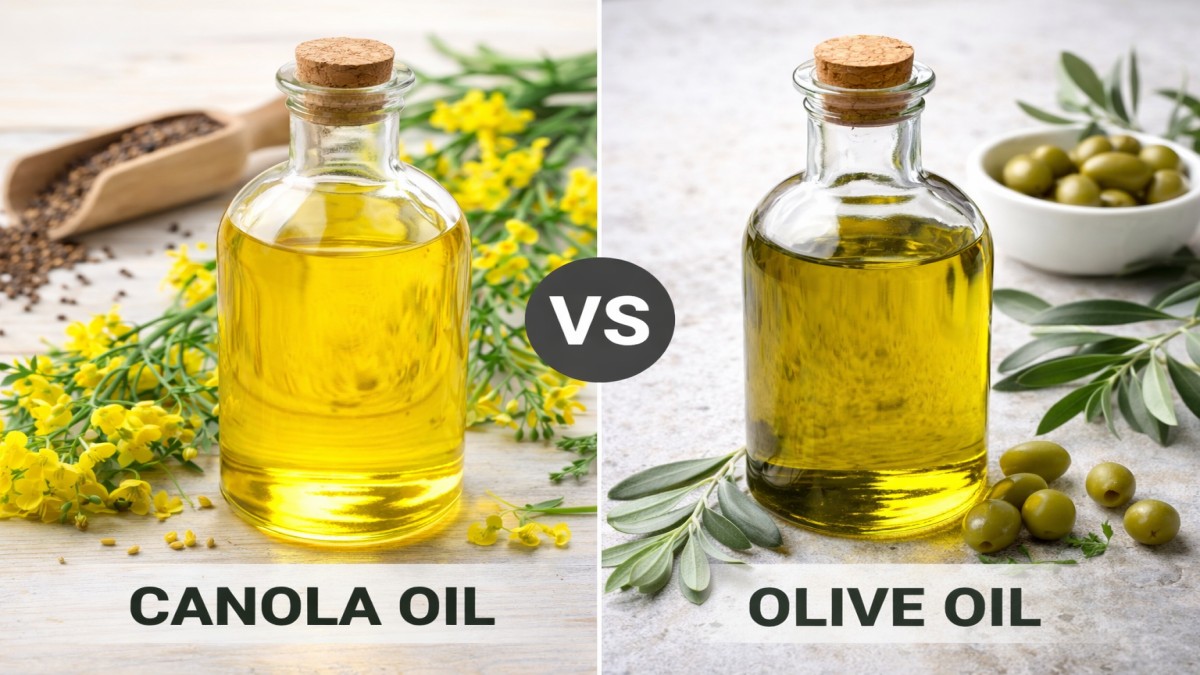
Canola Oil vs Olive Oil. Cooking oil might seem like a small detail, but it quietly shapes your health every single day. It’s like the background music in a movie—you don’t always notice it, but it changes everything. Among all options, canola oil and olive oil are two heavyweight champions constantly competing for a spot in our kitchens.
So which one deserves the crown? Let’s break it down in plain English.
Why Cooking Oils Matter
Oils affect heart health, inflammation, cholesterol, and even brain function. The wrong oil used daily can quietly work against you, while the right one supports long-term wellness. That’s why the canola oil vs olive oil debate is more than kitchen gossip—it’s a health decision.
What Is Canola Oil?
Origin and Production
Canola oil comes from the seeds of the canola plant, originally bred from rapeseed in Canada. The name literally means “Canadian oil, low acid.” Sounds friendly enough, right?
Refining Process Explained
Here’s the catch. Canola oil is heavily refined. It goes through high heat, chemical solvents, bleaching, and deodorizing. This process improves shelf life and neutrality but strips away some natural nutrients.
Nutritional Profile of Canola Oil
- Low in saturated fat
- High in monounsaturated fats
- Contains omega-3 and omega-6 fatty acids
- Moderate vitamin E
On paper, it looks solid.
What Is Olive Oil?
History and Types of Olive Oil
Olive oil has been around for thousands of years. It’s a cornerstone of the Mediterranean diet, which is famous for heart health and longevity.
Extra Virgin vs Regular Olive Oil
Extra virgin olive oil (EVOO) is cold-pressed and minimally processed. Regular olive oil is more refined and closer to canola oil in processing.
Nutritional Profile of Olive Oil
- Rich in monounsaturated fats
- Loaded with antioxidants
- High in vitamin E and polyphenols
- Naturally anti-inflammatory
Canola Oil vs Olive Oil: Nutritional Comparison
Fat Composition
Canola Oil vs Olive Oil are low in saturated fat, but olive oil wins with higher-quality monounsaturated fats that protect the heart.
Vitamins and Antioxidants
Olive oil is packed with antioxidants. Canola oil has fewer due to heavy processing.
Omega Fatty Acids Breakdown
Canola oil contains more omega-3s, but also omega-6s. Olive oil offers a more balanced ratio, which is easier on inflammation.
Health Benefits of Canola Oil
Heart Health
Canola oil can help lower LDL (bad cholesterol) when used instead of saturated fats.
Cholesterol Management
Its fat profile supports better cholesterol levels, especially when used sparingly.
Health Benefits of Olive Oil
Anti-Inflammatory Properties
Olive oil contains oleocanthal, a compound with effects similar to anti-inflammatory medications.
Benefits for Heart and Brain
Regular olive oil consumption is linked to lower risk of heart disease, stroke, and cognitive decline.
Cooking with Canola Oil
Smoke Point and Stability
Canola oil has a high smoke point, making it suitable for frying and high-heat cooking.
Best Uses in the Kitchen
- Baking
- Stir-frying
- Grilling
- Deep frying
Its neutral flavor won’t overpower food.
Cooking with Olive Oil
Smoke Point Considerations
Extra virgin olive oil has a lower smoke point, but it’s still safe for most sautéing and roasting.
Best Uses in the Kitchen
- Salad dressings
- Light sautéing
- Drizzling and finishing
- Mediterranean dishes
Taste and Flavor Comparison
Neutral vs Bold Flavor
Canola oil is neutral, almost invisible. Olive oil is bold, fruity, sometimes peppery. One blends in, the other shows up with personality.
Processing and Purity
Highly Refined vs Minimally Processed
This is where olive oil shines. Less processing means more nutrients and fewer chemical concerns.
Impact on Health
Less processing equals better long-term health outcomes. Simple math.
Canola Oil vs Olive Oil for Weight Loss
Calorie Comparison
Canola Oil vs Olive Oil contain roughly the same calories.
Satiety and Metabolism
Olive oil may improve fullness and insulin sensitivity, making it slightly better for weight management.
Conclusion
The canola oil vs olive oil debate isn’t about good versus bad—it’s about better versus best. Canola oil is functional and affordable, but olive oil brings history, science, and flavor to the table. If your goal is heart health, anti-inflammatory benefits, and nutrient-rich cooking, olive oil is the clear winner. Use canola oil when needed, but let olive oil be your kitchen MVP.
FAQs
1. Is canola oil healthier than olive oil?
No. Olive oil offers more antioxidants and anti-inflammatory benefits.
2. Can I cook with extra virgin olive oil?
Yes, it’s safe for most everyday cooking.
3. Is canola oil inflammatory?
In excess, its omega-6 content may promote inflammation.
4. Which oil is better for heart health?
Olive oil has stronger evidence supporting heart health.
5. Can I use both oils in my kitchen?
Absolutely. Use olive oil daily and canola oil occasionally.

Consultative Selling Techniques: A Complete Guide to Building Customer Trust in 2026

Sales Objection Handling: A Complete Guide to Closing More Deals in 2026

Customer Closing Techniques: A Complete Guide to Converting Prospects into Buyers (2026)

Customer Conversion Process: A Complete Guide to Turning Visitors into Loyal Customers (2026)

Sales Funnel Examples: A Complete Guide to Converting More Customers (2026)

Lead Qualification Framework: A Complete Guide to Finding High-Quality Customers (2026)

Website Credibility Factors: A Complete Guide to Building Trust Online (2026)

Online Reputation Monitoring: A Complete Guide to Protecting Your Brand in 2026

Customer Testimonial Strategy: A Complete Guide to Building Trust and Increasing Sales (2026)

Business Storytelling Framework: A Complete Guide to Building Strong Brand Connections (2026)
Consultative Selling Techniques: A Complete Guide to Building Customer Trust in 2026
Sales Objection Handling: A Complete Guide to Closing More Deals in 2026
Customer Closing Techniques: A Complete Guide to Converting Prospects into Buyers (2026)
Customer Conversion Process: A Complete Guide to Turning Visitors into Loyal Customers (2026)
Sales Funnel Examples: A Complete Guide to Converting More Customers (2026)
Lead Qualification Framework: A Complete Guide to Finding High-Quality Customers (2026)
Website Credibility Factors: A Complete Guide to Building Trust Online (2026)
Online Reputation Monitoring: A Complete Guide to Protecting Your Brand in 2026
Customer Testimonial Strategy: A Complete Guide to Building Trust and Increasing Sales (2026)
Business Storytelling Framework: A Complete Guide to Building Strong Brand Connections (2026)

 entertainment1 year ago
PYT Telegram: A Complete Guide to Understanding, Using, and Maximizing It

 entertainment1 year ago
OnionFlix: Everything You Need to Know About This Streaming Website
- education1 year ago
How to Become a Software Engineer: A Complete Guide
- others12 months ago
Nook vs Kindle: Which E-Reader Is Right for You?